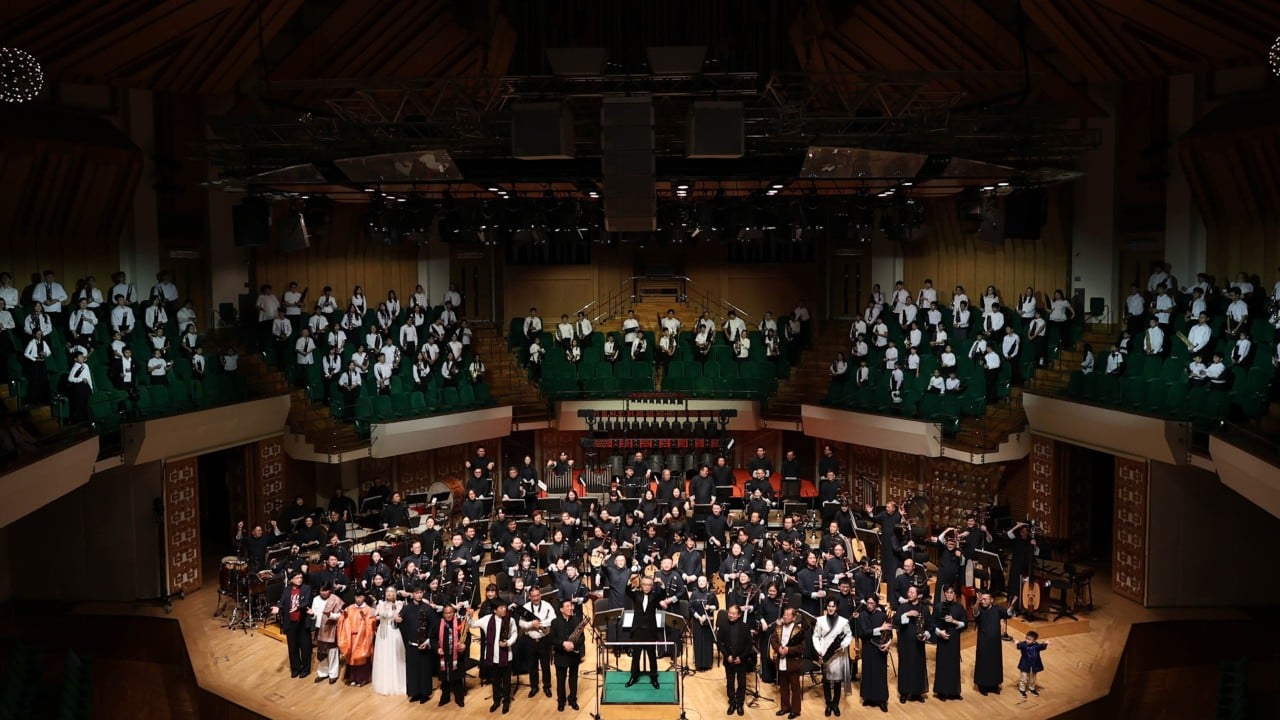
Tradition usually collects dust on a museum shelf. Most cultural institutions treat their heritage like fragile glass behind velvet ropes, terrified that touching it might break it. But the Hong Kong Chinese Orchestra chose a different path decades ago. They took ancient instruments, strapped high-tech innovations to them, and turned traditional classical music into a living, breathing cultural force that appeals to teenagers and grandparents alike.
If you think a Chinese orchestra means sleepy auditoriums and predictable pentatonic scales, you haven't been paying attention. They stripped away the museum-piece mentality. Instead, they commissioned boundary-pushing compositions, built instruments from new materials, and dragged centuries-old sonic traditions straight into the modern concert hall.
Rewriting the Rules of Traditional Sound
Let us talk about what actually happens on stage. A standard Western symphony orchestra relies on a violin and cello blueprint refined over three hundred years. A Chinese orchestra works differently, split into four distinct sections: bowed strings, plucked strings, wind, and percussion. It sounds simple on paper. In practice, balancing these instruments presents an absolute nightmare for composers and conductors.
Plucked strings often get drowned out by roaring wind sections. Traditional percussion can easily overpower subtle bowed melodies. Most regional orchestras surrender to these acoustic limitations, playing safe arrangements that sound thin or muddy.
The Hong Kong Chinese Orchestra refused that compromise. Back in the late twentieth century, they started experimenting with eco-friendly erhus—swapping traditional python skin for synthetic membranes. Purists shrieked. Critics predicted the end of authentic sound.
Yet, that single pivot solved two massive problems at once. It removed ethical headaches regarding wildlife trade, and it gave musicians instruments that held their tuning under blistering stage lights and humid weather conditions. They did the same for plucked instruments, upgrading soundboards and string tension to project volume into massive, modern concert halls without relying entirely on amplification.
When you hear them live, you aren't listening to a historical reenactment. You are hearing a high-performance acoustic machine.
Bridging the Generational Divide
Culture wars love to pit the old against the new. Older generations lament the loss of traditional arts, while younger crowds ignore heritage acts on Spotify in favor of electronic dance music and indie pop.
This orchestra bypasses that boring debate by collaborating with unexpected partners. They regularly share the stage with multimedia artists, jazz improvisers, animation studios, and pop singer-songwriters. They don't do this as a desperate marketing gimmick. They do it because great music is just great music, regardless of whether it was written in the tenth century or last Tuesday.
Think about how younger audiences consume audio today. They grew up on cinematic film scores, intense video game soundtracks, and complex cross-genre hybrids. When a concert program pairs a ferocious percussion concerto with a sweeping visual backdrop, it hits the exact same emotional frequency as a blockbuster movie soundtrack.
Teenagers walk into the hall expecting to be bored. They walk out downloading concert schedules. That shift doesn't happen by accident. It happens because the artistic leadership respects the audience enough to keep raising the bar.
The Global Blueprint for Regional Ensembles
Cultural preservation usually relies on government life support. Arts councils hand out grants, attendance slowly dwindles, and ensembles eventually turn into hollow echo chambers playing to empty seats.
The Hong Kong ensemble flipped that economic script through sheer relevance. They tour international festivals not as a cultural exhibit meant to check a diplomatic box, but as a heavyweight musical powerhouse. Their repertoire includes commissions from international composers who blend Western compositional techniques with traditional Chinese tonal colorings.
This cross-pollination created a distinct sonic identity. It is neither purely traditional nor derivative Western classical music. It occupies its own territory. Composers learn quickly that writing for this ensemble requires throwing away textbook rules about orchestration. You have to understand the microtonal bends of a Xun, the biting attack of a Pipa, and the sheer atmospheric weight of a massive bell and drum setup.
Why This Matters for the Future of Music
We live in a hyper-connected world where musical borders dissolve daily. Yet, local traditions face constant erasure under the steamroller of global pop homogeneity.
The lesson from Hong Kong is crystal clear. Preservation through isolation is a slow death. If you want a traditional art form to survive, you have to let it breathe, break, and rebuild itself in the present tense. You have to give young musicians a reason to practice eight hours a day, and you have to give listeners a reason to buy a ticket instead of staying home on the couch.
Check their upcoming season, find a performance featuring new commissions, and go listen to what happens when history refuses to stay quiet.


