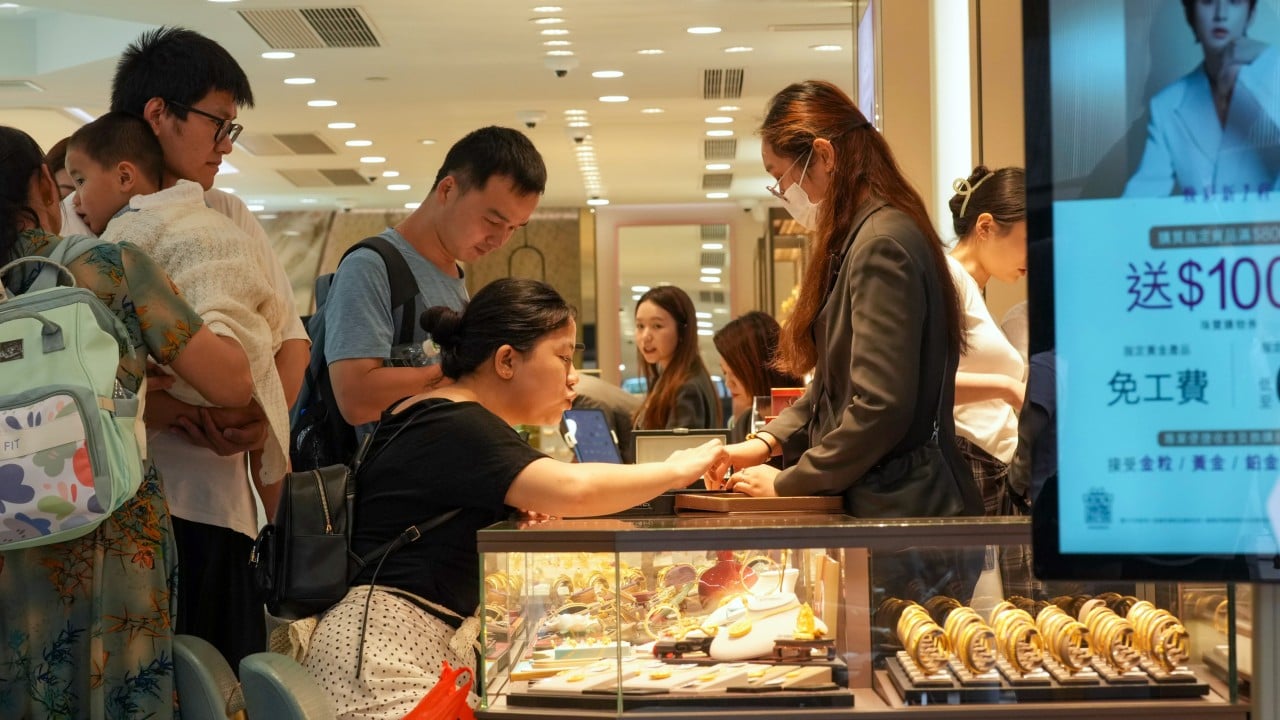
The crowds are back, but the cash isn't flowing like it used to. Over the 2026 Labour Day Golden Week, more than 1.19 million visitors crossed into Hong Kong, with mainland arrivals hitting 1.01 million. That’s a 10% jump from last year. You’d think retailers would be popping champagne, but the vibe on the ground is different. If you walk through Tsim Sha Tsui or Causeway Bay, you’ll see plenty of people taking selfies, but fewer carrying those massive orange or green designer shopping bags.
The reality is that the "Golden Week" spending spree has evolved into a "Golden Week" stroll. People aren't coming here to drop six figures on a watch anymore. They’re coming for the experience, the food, and the "vibe." This shift is leaving luxury retailers in a tough spot while local eateries and "Instagrammable" spots are the ones actually winning. In other updates, we also covered: Why Ted Turner Still Matters in 2026.
The 1 Million Visitor Milestone vs The Spending Gap
Numbers can be deceiving. While the Immigration Department’s 1.01 million mainland visitor figure sounds like a massive win, the economic impact is uneven. In the past, a mainland tourist was basically a walking credit card. Today, they're more likely to be a "City Walker"—a term for younger travelers who prefer wandering through old neighborhoods like Sham Shui Po rather than queuing up outside Chanel.
The data from the Chief Secretary for Administration, Chan Kwok-ki, suggests that shopping malls saw double-digit growth in some categories, but that doesn't tell the whole story. Much of that growth is driven by volume, not high-value luxury sales. We’re seeing a massive rise in value-conscious tourists who favor outlet malls and quick-service restaurants over the fine dining and high-end boutiques that once defined Hong Kong’s tourism revenue. The Wall Street Journal has provided coverage on this critical topic in great detail.
Why the Big Spenders Stayed Home
There’s a clear reason for this spending lag. First, the exchange rate isn't doing us any favors. With the HKD pegged to the USD, everything in Hong Kong feels expensive to a visitor from the mainland. Why buy a handbag here when you can get it for a similar price—or less—back in Hainan’s duty-free shops or even through a livestreamer on Douyin?
Second, the easing of individual-visit quotas in Guangdong cities has changed the game. Instead of one big "once-a-year" shopping trip where they buy everything at once, people are making shorter, more frequent trips. It’s basically a weekend getaway now. When you visit a city three times a year, the pressure to "buy everything now" disappears.
The Winners of 2026 Aren't Who You Think
While the luxury sector is sweating, other industries are actually thriving. The catering sector reported a 20% increase in business in tourist areas. But again, it’s not the $2,000-a-head sushi spots. It's the "Bing Sutt" (traditional cafes), the milk tea shops, and the local seafood joints in Sai Kung.
- Hotels: Occupancy hit 90%, which is a solid result. Prices were up about 10% compared to previous long holidays. Even if they aren't buying diamonds, people still need a place to sleep.
- Cultural Districts: The West Kowloon Cultural District and M+ Museum were packed. People want culture and photos for their social feeds more than they want a new watch.
- Outdoor Activities: Even the East Dam of the High Island Reservoir saw massive crowds. This is the new face of Hong Kong tourism—hiking trails and nature walks.
The City Walk Trend is Killing Retail
If you aren't familiar with "City Walking," you're missing why the spending has dipped. It’s a trend where travelers explore cities on foot, focusing on authentic local life rather than tourist traps. For Hong Kong, this means tourists are spending $50 on a pineapple bun and milk tea instead of $5,000 on jewelry. Honestly, it’s a more sustainable way to travel, but it’s a nightmare for the city’s tax revenue and high-rent landlords.
What This Means for the Rest of the Year
Don't expect a return to the "glory days" of 2014. The mainland consumer has changed. They are more informed, more price-sensitive, and more interested in "meaningful" experiences. If Hong Kong wants to keep its edge, it can't just rely on being a shopping mall with a harbor view.
The government is already pivoting toward "mega event + tourism." We’re seeing more drones, more fireworks, and more festivals. But festivals don't always translate to retail sales. The mismatch between visitor volume and economic value is the new normal.
Adjusting Your Expectations
If you’re a business owner in the city, stop waiting for the whale spenders to return. They’ve moved on to Japan (where the Yen is weak) or they’re staying home. Your focus should be on volume and unique experiences.
- Lower the Barrier to Entry: If you're a restaurant, offer "taster" menus or Instagram-friendly dishes that encourage foot traffic.
- Focus on Niche Markets: The 60% of tour groups that stayed overnight are your target. They have more time to spend, even if they spend less per hour.
- Digital Integration: If you aren't on Xiaohongshu (Little Red Book) with a clear, aesthetic presence, you basically don't exist to the 1 million people who just visited.
The 2026 Golden Week proved that Hong Kong is still a top-tier destination. It also proved that being a "destination" isn't the same as being a "cash register." The crowds are here, the energy is back, but the business model has to change. Start catering to the walker, not just the shopper, or you'll be left with a lot of foot traffic and very little profit.