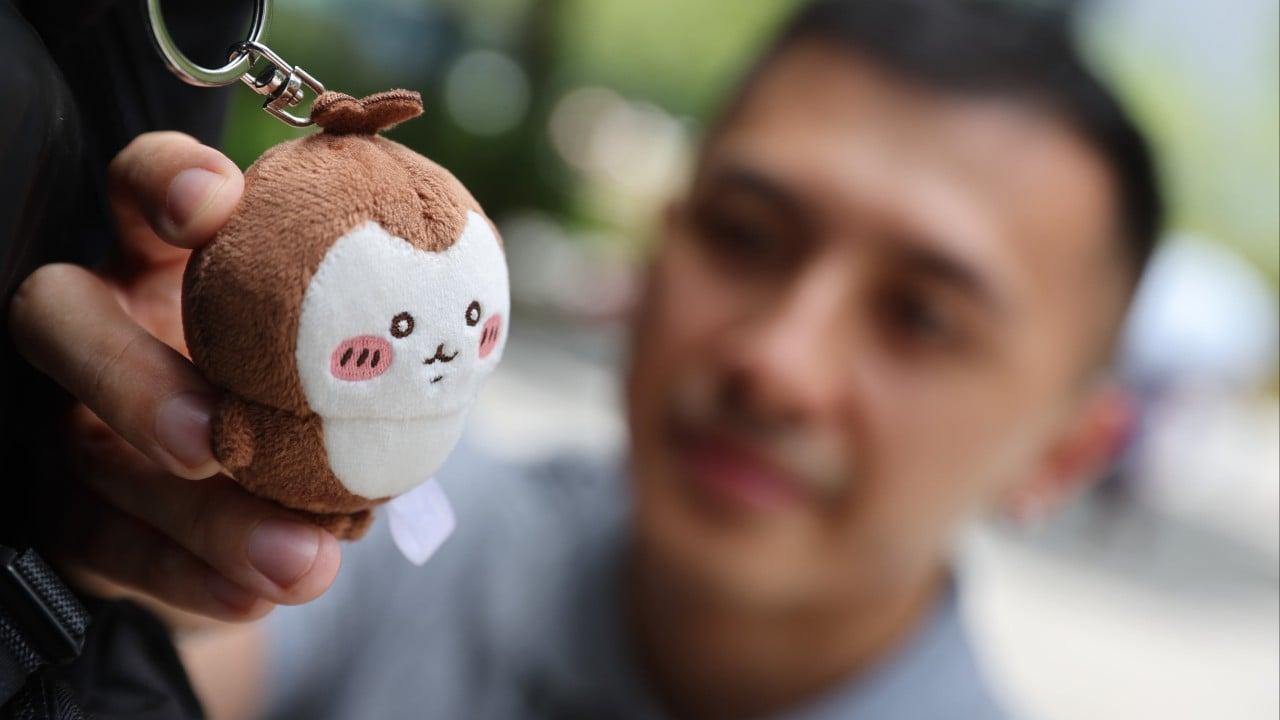
The media narrative surrounding men in Hong Kong accessorizing their leather briefcases and messengers with expensive stuffed toy bag charms is built on a tired, lazy trope. The consensus from lifestyle journalists and soft-focus trend pieces is that high-powered finance bros and tired corporate worker bees are desperately seeking emotional comfort, inner child healing, and tactile reassurance in a stressful metropolis.
It is a comforting story. It paints a picture of a sensitive urbanite clutching a miniature Labubu or Jellycat to soothe his frayed nerves amidst housing crises and office burnout.
It is also completely wrong.
Strip away the pop-psychology sugarcoating and you find something much more calculated, cynical, and ruthlessly capitalistic. These men are not buying therapeutic security blankets. They are engaging in high-stakes conspicuous consumption, liquidity signaling, and tribal alignment. The plush charm is the modern equivalent of the vintage Rolex Submariner or the rare Supreme box logo. It is a calculated social weapon disguised as whimsy.
I have spent the last decade watching luxury markets pivot from overt opulence to ironic insider signaling. When everyone can finance a designer tote bag, the bag ceases to be a differentiator. The bag becomes baseline. The charm becomes the weapon.
The Death of Traditional Menswear Signaling
For decades, male corporate status in Central was boring. You wore a bespoke charcoal suit from Empire Tailors, a conservative silk tie, and carried an understated black leather briefcase. Your wealth and rank were communicated through subtle nuances of fabric weight and watch brand visibility.
That code is dead. Post-pandemic casualization shattered the corporate dress code. When the suit became optional, the traditional vectors of status signaling evaporated.
Men needed a new vocabulary to signal cultural capital. You could buy a flashier watch, but watches are expensive, trackable, and frankly, a bit try-hard. You could buy a different bag, but leather is leather.
Enter the micro-accessory. A four-hundred-dollar plush doll hanging off a three-thousand-dollar luxury bag is not an act of emotional vulnerability. It is a flex of disposable income and cultural agility. It signals that the wearer is secure enough in his masculinity and finances to attach a piece of cartoonish plastic and fabric to a luxury leather good. It is the ultimate insider wink.
The Secondary Market Economics of Cute
To understand why men are lining up outside pop-up shops in Causeway Bay, you have to look past the soft exterior and examine the supply chain and secondary market dynamics.
Most of these hyped charms are not bought off the shelf for retail prices. They are acquired through blind boxes, lottery systems, secondary reseller apps like Carousell, or high-markup boutique traders. Securing a rare, secret-edition plushie requires capital, timing, and inside knowledge of drop schedules.
When a director at an investment bank clips a rare designer art toy to his briefcase, he is communicating three distinct things to his peers:
- Liquidity: He had the disposable cash to hunt down a sold-out collectible on the aftermarket.
- Cultural Literacy: He knows the difference between independent designer vinyl and mass-market retail junk.
- Irony: He possesses the postmodern detachment required to juxtaposition luxury leather with juvenile cuteness.
This is not comfort. This is competitive positioning. It is the exact same impulse that drives sneakerheads to camp out overnight for limited-edition Jordans, just translated into a format that fits inside a boardroom.
The Fragility of the Therapy Narrative
Let us address the elephant in the room. Why are commentators so eager to infantilize adult men?
Every time a man displays an interest in something traditionally associated with youth or femininity, cultural analysts rush to diagnose him with trauma or stress. We are told it is about mental health. We are told it is an antidote to toxic masculinity.
This framing infantilizes men and strips them of aesthetic agency. It assumes that a man cannot simply appreciate industrial design, pop-culture iconography, or quirky juxtaposition for its own sake.
If a woman carries a designer bag with a whimsical charm, it is viewed as accessorization and personal style. If a man does it, suddenly he is running from his inner demons and seeking psychological rehabilitation from a stuffed fox. This double standard reveals more about society's rigid, outdated expectations of male presentation than it does about the men buying the charms.
The truth is much simpler: men like cool stuff. And right now, the intersection of high fashion and street-culture collectibles is where the cool stuff lives.
The Downside of Irony as a Uniform
Every contrarian strategy has an expiration date, and the hyper-curated bag charm trend is approaching its saturation point.
When a subcultural signal goes mainstream, it stops being a signal and starts becoming a uniform. I have watched this movie before with minimalist streetwear, artisanal coffee culture, andNFT profile pics. What starts as a clever way for the avant-garde to identify each other gets co-opted by middle management, mass-produced by fast-fashion copycats, and ultimately dies of cliché.
When every insurance agent in Sheung Wan is rocking a generic mass-market plushie on their nylon backpack just to look relevant, the game changes. The genuinely wealthy and culturally attuned stop playing. They pivot to the next inaccessible micro-trend, leaving the late adopters holding overpriced, dust-collecting fabric toys that no longer carry any social currency.
If you are buying these items because you genuinely enjoy the tactile aesthetic of contemporary toy design, keep doing it. Buy what you love.
Just stop pretending you are doing it for your mental health.
Take the charm off the bag if it stops serving your aesthetic, or leave it there if you like the look. But recognize the game for what it is. It is a market of symbols, signals, and shifting status markers.
Stop looking for a security blanket. Look at the balance sheet.