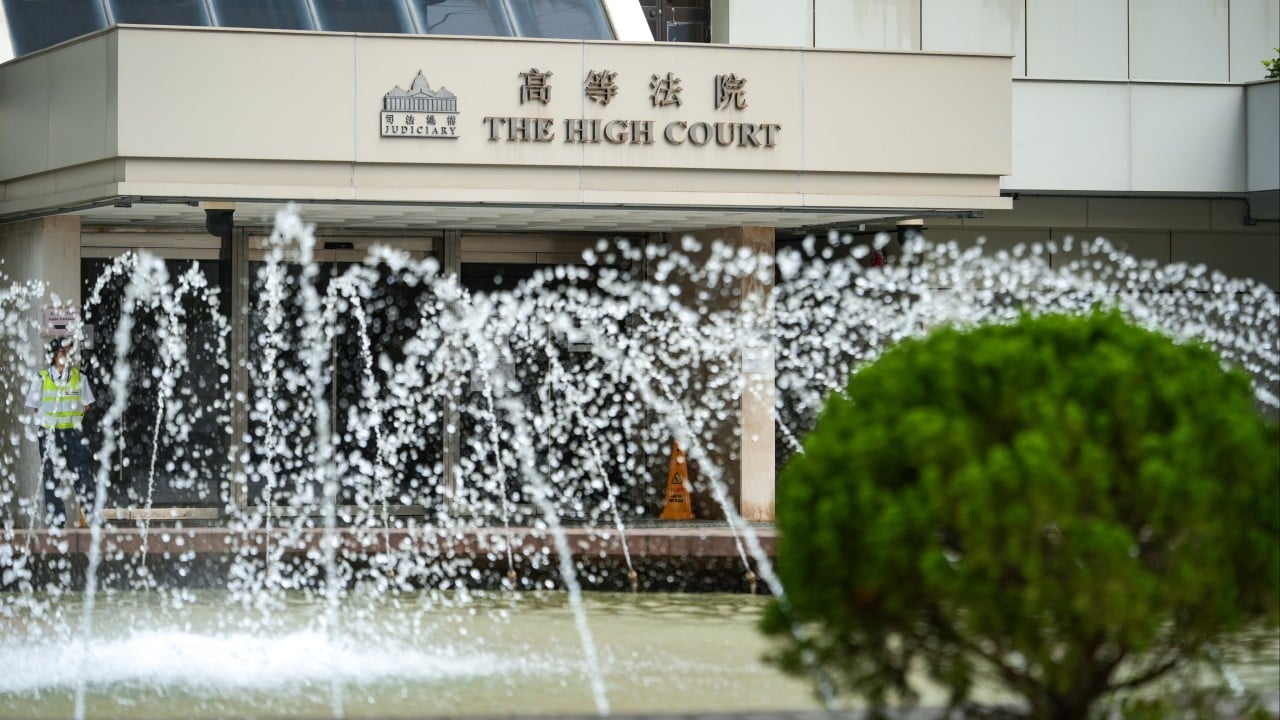
Eight years behind bars for a teenager who threw near-70-percent sulfuric acid on a visiting Singaporean woman in Wan Chai. When the court handed down that sentence in late October 2026, people on both sides of the South China Sea asked the exact same question: how does a 17-year-old end up doing that for a promised payout of HK$10,000?
It wasn't a random street snap. It was a paid job.
A Hong Kong teenager pleaded guilty in October 2026 to throwing corrosive fluid with intent to do grievous bodily harm after attacking 36-year-old Singaporean tourist Jiang Wen on June 9, 2025. By the time High Court Judge Andrew Chan Hing-wai sentenced him later that month, the defendant—Anson Kew—was 19, and his victim had already spent roughly two months in a Hong Kong hospital undergoing emergency surgery, debridement, and skin grafts before flying back home to Singapore for continued care.
Most surface-level news recaps stop at the headline numbers. Eight years. HK$10,000. Ten to eleven percent body burns. Honestly, that leaves out the mechanics that actually matter if you care about public safety, youth crime recruitment, or how courts weigh guilty pleas in severe assault cases.
How the Wan Chai Acid Attack Unfolded
On June 9, 2025, around Burrows Street in Wan Chai, Jiang was getting into a vehicle when someone dressed in black with a hat and mask approached and splashed corrosive liquid over her three times. Reports citing court proceedings noted that the chemical was sulfuric acid at a concentration of nearly 70 percent.
Let's be real about what sulfuric acid at that strength does to human skin. It doesn't just sting. It strips moisture and destroys tissue rapidly on contact, which is why Jiang collapsed screaming in pain as burns hit her face and limbs.
What makes the timeline especially grim is that this wasn't improvised. Evidence presented in court indicated Kew had scouted the Wan Chai location days before the assault. After throwing the acid three times, he ran from the scene and turned himself in to police two days later, offering no explanation for why he had targeted Jiang. In court, it wasn't even stated whether he knew her.
That detail bothers me more than almost anything else in the case file. A stranger—or someone whose connection to the victim wasn't even established in open court—takes a scouted trip, puts on dark clothes and a mask, carries high-concentration sulfuric acid, and turns a trip abroad into months of hospital recovery and permanent scarring.
Why Courts Cut Sentences After a Guilty Plea
If you read "starting point of 12 years" and "eight years in prison" side by side, it can look like a steep discount at first glance. A four-year drop isn't small.
In Hong Kong's sentencing practice, a one-third reduction is a standard benchmark when a defendant pleads guilty at a timely stage rather than forcing a contested trial. Twelve years minus one-third lands right at eight years.
- Victim impact stays front and center: Judge Chan highlighted that the attack caused second-degree burns across roughly 10 to 11 percent of Jiang's body surface—mainly her face and limbs—and left a lifelong impact.
- Medical ordeal isn't abstract: Her stay of 61 days in hospital involved repeated procedures to clear damaged tissue, skin grafts, and suturing, followed by ongoing treatment back in Singapore.
- No extra mercy beyond the plea: Apart from the guilty plea discount, the judge found no other mitigating factors, noting the teenager acted purely for money and showed poor prospects for rehabilitation.
Still, there's a real tension here that observers debate whenever a violent offense gets a plea discount. From a legal-system standpoint, an early guilty plea saves witnesses—especially a seriously injured tourist—from reliving every detail under cross-examination and preserves court resources. From a gut-level fairness standpoint, watching someone get a four-year cut for a pre-scouted chemical attack for roughly US$1,270 to US$1,280 worth of Hong Kong dollars feels jarring to a lot of people. Both views come from real priorities, even when they clash.
The Dark Economics of "Paid Jobs" and Triad Links
A promised HK$10,000. Think about that number.
According to court reporting on the probation/background report, Kew admitted that the assault was a "paid job" arranged through undesirable associates. Even though the background report noted he had not formally joined a triad, Judge Chan stated he was certain the teen had effectively "joined" one given how the task came to him.
Crime syndicates and illicit recruiters have long pushed high-risk, high-harm errands downward toward younger, lower-tier people who bear the brunt of arrest and prison time while the person paying stays insulated. That pattern isn't unique to Hong Kong, and it's rarely glamour or movie-style turf war. Usually, it's desperate cash for a devastating act.
And notice what wasn't answered in the public court summary: who ordered the attack, and why Jiang was targeted. When a hired street actor takes the fall, the chain behind the payment often remains shadowy unless investigators uncover wider links.
What This Means for Travelers and City Safety
Whenever a high-profile assault hits a tourist district like Wan Chai, travelers start wondering if a popular destination has suddenly become unsafe.
Let's keep perspective without downplaying what happened to Jiang. Hong Kong remains a major global travel hub with heavy transit foot traffic and dense commercial streets, and isolated violent crimes don't erase day-to-day norms overnight. At the same time, pretending a masked chemical attack on a street corner is "just another day" would be dishonest. When an attack is targeted or contracted rather than random street pickpocketing, standard tourist caution only goes so far—yet basic awareness still helps.
- Stay alert around unfamiliar vehicles and tight alleys: Jiang was getting into a vehicle when the attacker moved in. Stepping in or out of rideshares, taxis, or private cars is a brief moment where your hands are full and your attention is split.
- Keep travel insurance and emergency contacts sharp: If medical care ever happens abroad, having clear policy documents, embassy or consulate contacts, and a trusted family contact back home speeds up decisions when things go sideways.
- Know how local emergency lines work: In Hong Kong, dial 999 for police, fire, or ambulance services. If you ever witness a chemical spill or splash, flushing affected skin immediately with plenty of cool water is critical first aid while waiting for emergency responders.
- Follow official updates rather than rumor threads: After any major incident, rely on verified police statements and established outlets like Channel NewsAsia or the South China Morning Post rather than unverified social media claims.
Courts can lock up the person who threw the acid, and eight years is a heavy chunk of a young life. Yet for Jiang Wen, the sentence doesn't hand back two months in a hospital bed or erase the scars left behind.


