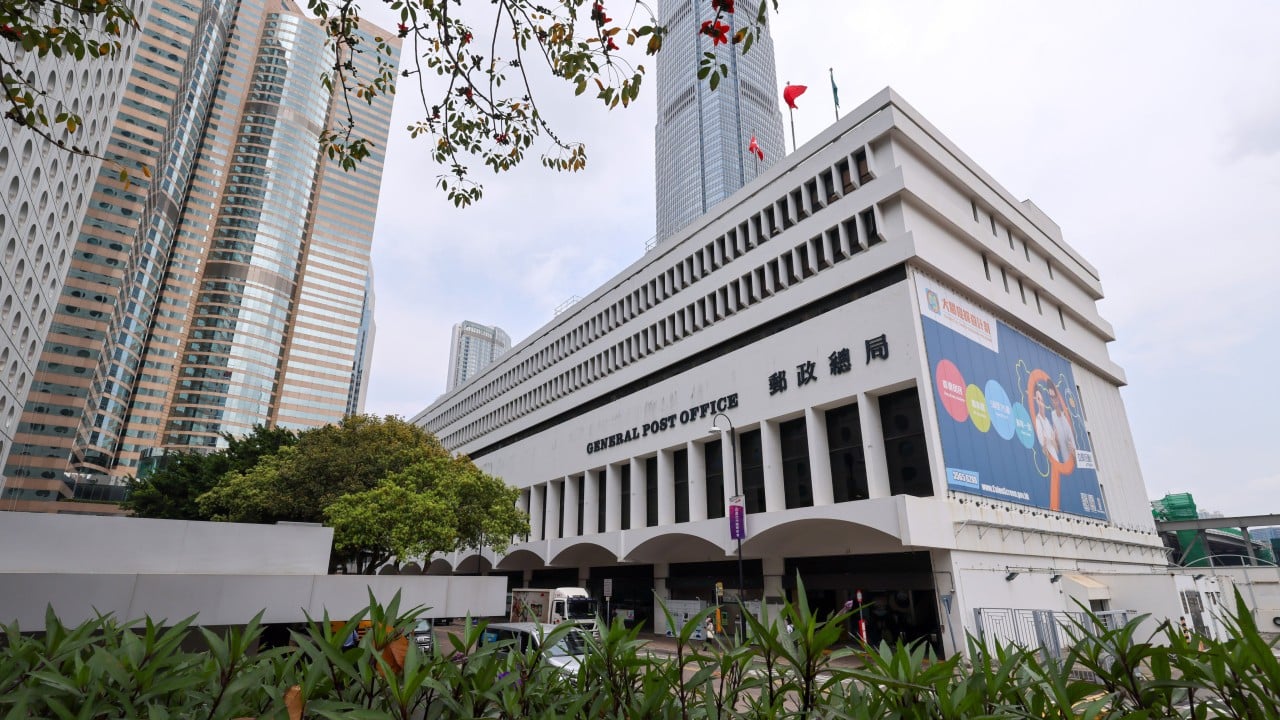
Hongkong Post is running out of money, and pretending everything is fine won't save it. For years, this century-old institution operated under a special financial model called the Trading Fund. It meant the post office had to survive on its own revenues, independent of government handouts. It worked. Until it didn't.
Traditional mail volume is dropping off a cliff. E-commerce logistics are dominated by nimble private giants. Meanwhile, fixed staff overheads stay sky-high. The financial math just doesn't work anymore. If the current trajectory continues, the city faces an unpleasant choice. Either pump billions of taxpayer dollars into a permanent public service bailout or completely overhaul the postal system.
Turning Hongkong Post into a taxpayer-funded utility is a lazy cop-out. It shifts the burden of operational inefficiencies onto the public pocketbook without fixing the root cause. The real solution lies in aggressive commercial modernization, smarter asset utilization, and rewriting the rules under which the postal service operates.
The Reality of the Trading Fund Financial Crisis
Let's look at the actual numbers because they paint a grim picture. The Hongkong Post Trading Fund has reported massive operational losses over multiple consecutive fiscal years. According to official reports from the Audit Commission and government financial statements, the department recorded operating deficits exceeding hundreds of millions of Hong Kong dollars in recent cycles.
The core problem is structural. The Post Office Trading Fund Ordinance, established in 1995, requires the department to manage its finances like a business. It needs to generate enough revenue to cover expenses and achieve a reasonable return on fixed assets.
Look at what they are up against. Letter mail volume drops every single year as utility bills, bank statements, and government communications move online. At the same time, the cost of maintaining a physical network of over 120 post offices and a massive workforce of civil servants keeps rising. You can't run a business when your core product is dying and your fixed costs are frozen.
Private Couriers Are Eating the Post Office's Lunch
Step outside any commercial building in Mong Kok or Causeway Bay. You see delivery vans from SF Express, DHL, and Federal Express. You see local on-demand couriers on motorcycles. What you rarely see is a Hongkong Post van delivering a commercial e-commerce package.
The global e-commerce boom should have been a goldmine for the postal service. Instead, nimble private operators captured the market. SF Express built an incredibly dense network of lockers and pickup points across Hong Kong, making collection effortless for residents.
Hongkong Post tried to compete with its iPostal stations. But the rollout was slow, the user interfaces felt outdated, and the marketing lacked punch. Private couriers offer dynamic tracking, flexible redirect options, and lightning-fast customer service. Hongkong Post still operates with the rigid mindset of a government bureaucracy.
When a small online merchant wants to ship a parcel, they look for speed and integration. Private players offer APIs that plug directly into Shopify or Taobao. They offer competitive bulk pricing. Hongkong Post's Speedpost service feels clunky by comparison. They lost the premium market, leaving them with the low-margin, labor-intensive residential mail deliveries that nobody else wants.
Why Taxpayer Funding Is a Trap
Some commentators argue that we should abandon the trading fund model entirely. They say postal delivery is a basic human right, like public roads or policing, and should be fully funded by tax revenues.
This argument is dangerous.
Making Hongkong Post a fully subsidized government department removes all incentives for efficiency. If taxpayers foot the bill, there's no pressure to optimize delivery routes, close underutilized post offices, or innovate new digital services. It turns a temporary operational deficit into a permanent, growing drain on Hong Kong's public finances.
The public treasury is already facing long-term pressures from an aging population and rising healthcare costs. Funneling hundreds of millions of dollars annually into delivering physical junk mail and paper bank statements is a terrible use of public funds. We need a leaner postal service, not a coddled government department.
Unlocking the Value of Postal Real Estate
If you want to save Hongkong Post, look at its physical footprint. The department operates prime real estate across Hong Kong, from Central to remote villages in the New Territories. Many of these post offices occupy ground-floor spaces that are worth an absolute fortune.
Japan Post and Chunghwa Post in Taiwan figured this out years ago. They transformed their branches into financial hubs, offering insurance, wealth management, and banking services.
Hongkong Post needs to copy this playbook. While they offer basic remittance and Western Union services, it is a fraction of what is possible. They should partner with virtual banks and fintech firms. Many digital banks want a physical touchpoint for identity verification or complex customer service. Hongkong Post branches can fill that gap for a fee.
Co-working spaces, retail pop-ups, and automated parcel hubs should take over underutilized floor space. A post office shouldn't just be a place where you buy stamps from behind a thick glass partition. It needs to become a community service hub that generates commercial rent.
Rewriting the Postal Mandate
The government must give Hongkong Post the flexibility to act like a real business. Right now, its hands are tied by civil service regulations and rigid procurement rules. Changing a postage rate requires legislative approval, a process that takes months. Private competitors change their surcharges weekly based on fuel costs and market demand.
The postal service needs the autonomy to set dynamic pricing for commercial packages. If they want to win back e-commerce business, they must be allowed to offer aggressive discounts to high-volume sellers without bureaucratic delays.
The universal service obligation also needs a modern rewrite. Currently, the post office is legally mandated to deliver mail to every single address in Hong Kong six days a week. That includes remote outlying islands and isolated villages.
We need to be practical. Delivering a single letter to a remote village house costs far more than the price of a stamp. In 2026, we should transition to a tiered delivery model. High-density urban areas keep daily delivery. Remote areas could move to three days a week, or rely on centralized smart locker clusters at transport hubs. This single change would shave millions off operational transport costs.
Fix the Workforce Bottleneck
You cannot discuss Hongkong Post's financial survival without addressing the elephant in the room. Personnel costs make up the vast majority of its operational expenses.
A large portion of the staff are permanent civil servants. They enjoy structured pay scales, housing allowances, and pension schemes that are completely disconnected from the commercial reality of the logistics industry. When the trading fund loses money, these salaries keep going up anyway due to annual civil service adjustments.
The department has tried to hire more contract staff to cut costs, creating a two-tier workforce that hurts morale. The solution isn't just cutting heads; it is drastic automation.
The sorting office in Kowloon Bay needs massive upgrades in AI-driven optical character recognition and robotic sorting. Automated guided vehicles should handle internal logistics. Every minute saved in sorting is a minute a postman spends on an optimized route. If the department can automate the back-end, it can naturally shrink its headcount over time through retirement without firing existing civil servants.
Action Plan for Reinvigorating the System
Saving Hongkong Post requires immediate, decisive policy shifts. The government needs to execute a clear turnaround plan instead of debating structural bailouts.
- Ditch the rigid six-day delivery mandate. Move rural and remote areas to a alternating-day schedule or transition them entirely to centralized smart locker networks.
- Monetize the retail footprint. Force underutilized post offices to sub-lease space to e-commerce pick-up services, virtual banks, and local retail kiosks.
- Build a unified logistics API. Create seamless, instant software integrations for major e-commerce platforms so small businesses can print Hongkong Post labels with two clicks.
- Freeze civil service hiring for back-office roles. Fill operational gaps strictly with technology and automated sorting infrastructure.
If the government refuses to modernize the framework, Hongkong Post will continue its slow slide into financial irrelevance. Taxpayers shouldn't pay for a lack of political will. The tools for financial survival are right there. The department just needs the freedom to use them.