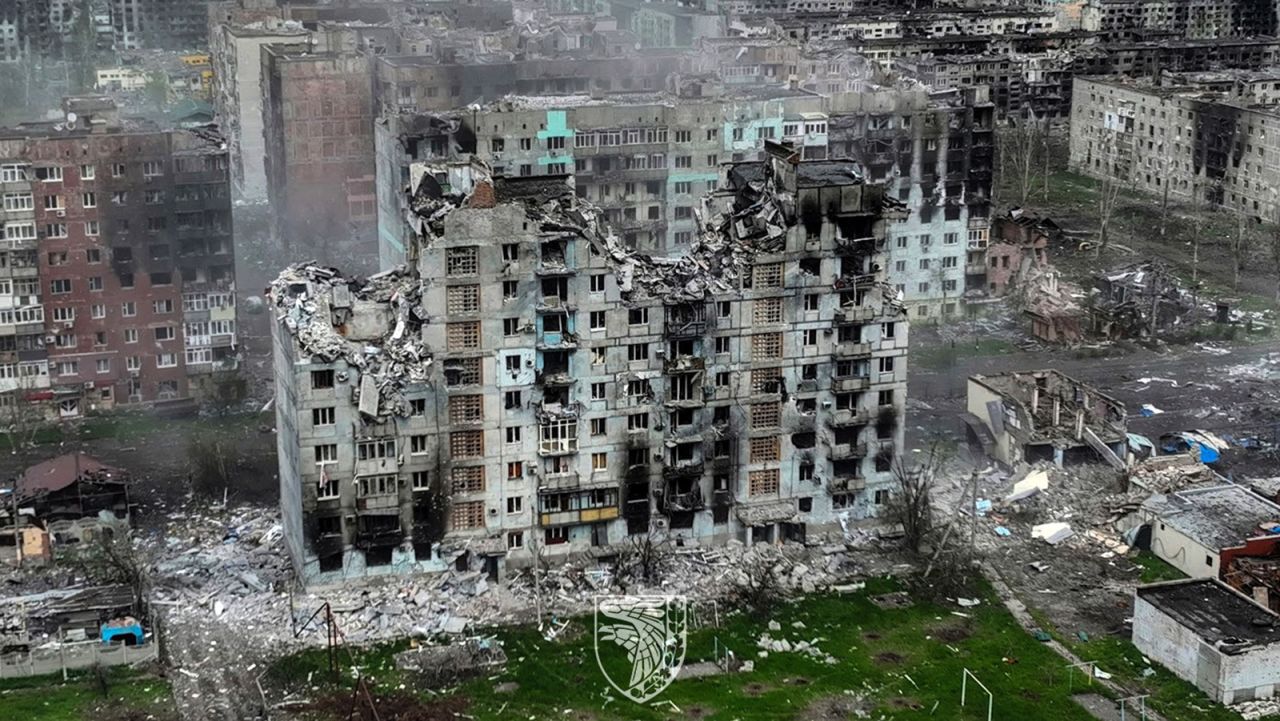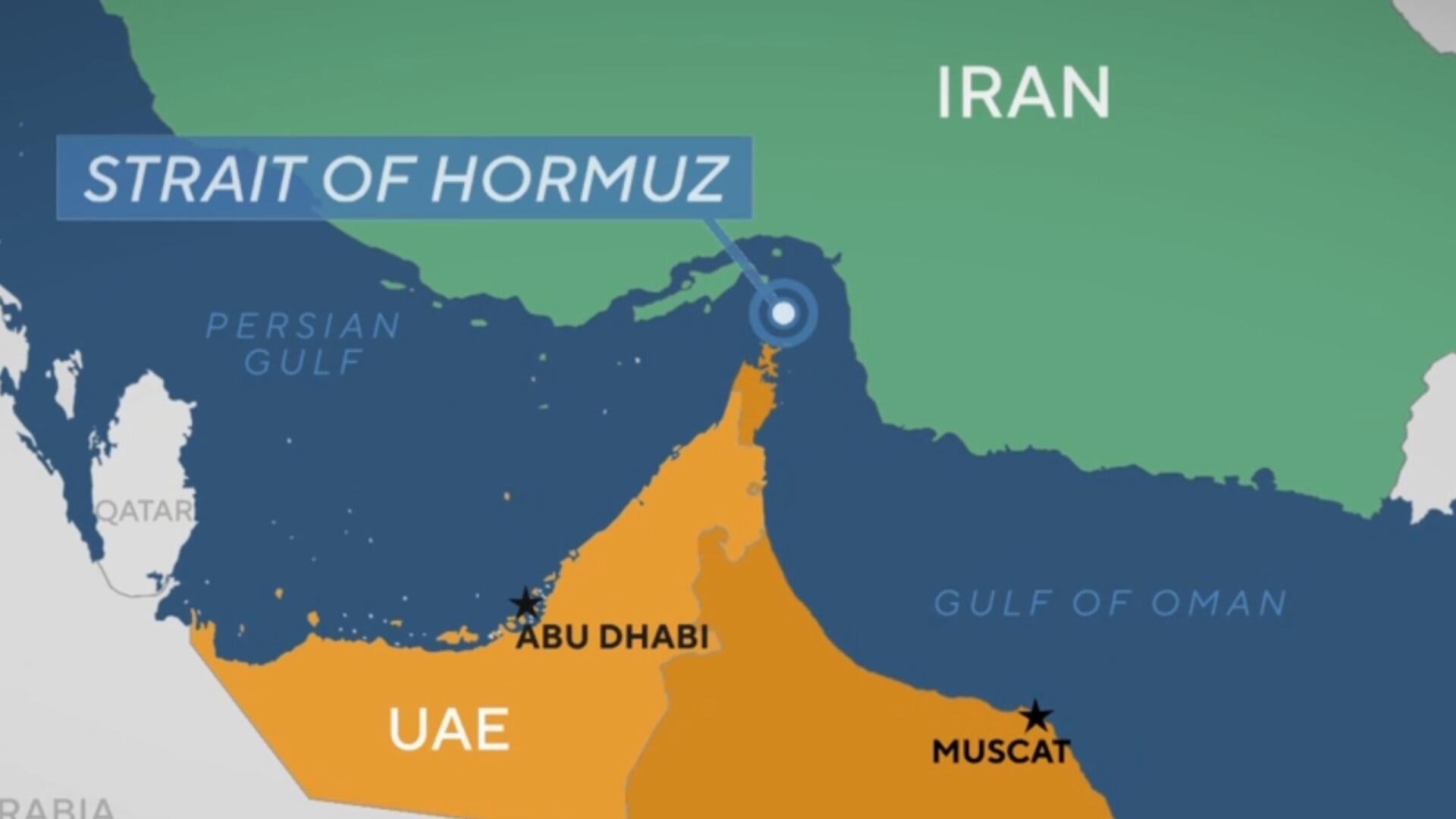
The Strait of Hormuz is currently a graveyard for global trade, and the latest diplomatic overture from Tehran has done little to resuscitate it. Following the February 28 airstrikes that decapitated the Iranian leadership, the world's most vital maritime artery remains effectively blocked, sending Brent crude screaming toward $130 a barrel. Iran’s newest proposal—a desperate bid to trade the reopening of the waterway for a total cessation of U.S. strikes and the lifting of port restrictions—has been met with a cold shoulder from the White House. President Trump, while signaling a preference for a non-military resolution to avoid a full-scale ground invasion, remains deeply dissatisfied with the terms, labeling the offer as insufficient.
The reality on the water is grimmer than the official statements suggest. While a conditional ceasefire has technically held since early April, the "freedom of navigation" that underpins the global economy has vanished. Shipping insurance rates have ballooned by 600 percent, and most commercial carriers are refusing to gamble with the Iranian "shadow fleet" and the persistent threat of sea mines. Washington’s refusal to accept Tehran’s current deal isn’t just about the waterway; it is a calculated bet that economic strangulation will force a total nuclear capitulation that four decades of diplomacy could not achieve.
The Mirage of the Non-Military Path
Washington’s current stance is a paradox of aggression and restraint. By declaring the war "terminated" to bypass the 60-day War Powers Resolution deadline, the administration is attempting to maintain a permanent state of "maximum pressure" without the legal or political baggage of an official conflict. However, the naval blockade initiated on April 13 tells a different story. The U.S. is currently intercepting any vessel attempting to reach Iranian ports, a move Tehran views as a direct violation of the ceasefire.
This is no longer a localized skirmish. It is a siege. The administration’s refusal to decouple the Hormuz issue from the nuclear program is the primary friction point. Iran wants to solve the shipping crisis first to breathe life back into its gasping economy. The U.S., led by negotiators like Vice President JD Vance, is demanding "zero enrichment" and the immediate surrender of Iran's stockpile of 60 percent enriched uranium before the pressure is eased.
The Toll Road to Nowhere
Tehran has attempted to monetize its remaining leverage by imposing illegal tolls on "non-hostile" ships—primarily those from China, Iraq, and Pakistan. This desperate revenue grab has created a two-tiered system in the Gulf. While a handful of Chinese tankers continue to transit under murky diplomatic arrangements, Western-linked vessels are staring at a wall of IRGC-linked drones and missiles.
The "deal" currently on the table from Iran's Foreign Minister, Abbas Araghchi, is essentially a return to the status quo ante bellum in exchange for a maritime truce. For the White House, this is a non-starter. The administration views the February strikes—Operation Epic Fury—as a "sunk cost" that must yield a transformative geopolitical dividend. They are not looking for a return to the old normal; they are looking for a total redesign of Middle Eastern security.
The Nuclear Sticking Point
The Islamabad talks, mediated by Pakistan, have stalled on a single word: permanence. The U.S. is pushing for a 20-year moratorium on all enrichment activities, while Tehran is refusing to go beyond a five-year window. The gap is not just chronological; it is existential.
- U.S. Demand: Physical removal of all enriched uranium gas from Iranian soil.
- Iranian Counter: A freeze on enrichment in exchange for the immediate lifting of the naval blockade.
- The Trump Red Line: No "wins" for the Iranian leadership that could be framed as a survival strategy.
The assassination of Ali Khamenei and the subsequent rise of his son, Mojtaba, has not resulted in the internal collapse some in the Pentagon predicted. Instead, it has hardened the IRGC's resolve to use the Strait of Hormuz as their primary survival tool. As long as the "lever" of the Strait remains in their hands, they believe they can outlast the political patience of the American public, 61 percent of whom now believe the initial strikes were a mistake.
The Economic Toll of Indecision
The cost of this standoff is being paid at gas stations in Ohio and factories in Germany. The global supply of aluminum, fertilizer, and helium is being choked off. While the U.S. military has the kinetic power to destroy the Iranian navy three times over, it cannot "clear" the Strait of the persistent threat of asymmetrical warfare. A single drone boat or a stray mine is enough to keep the world's largest shipping conglomerates anchored in the Gulf of Oman.
The administration’s hope that Iran would "capitulate instead of closing the strait" proved to be a catastrophic miscalculation. Now, the U.S. finds itself in a war of attrition where the weapon of choice is the price of oil.
The path forward is narrow and fraught with the risk of misstep. If the U.S. accepts the Iranian "deal" now, it leaves the nuclear infrastructure largely intact and rewards the blockade strategy. If it rejects it and continues the counter-blockade, it risks a renewed cycle of strikes that could involve Iranian energy infrastructure and bridges—targets the President has already threatened to "knock out."
The standoff in the Strait of Hormuz is no longer a maritime dispute; it is the final, brutal act of a decades-long struggle for regional dominance. The ships aren't moving because the world is waiting to see who blinks first: a President obsessed with a "perfect deal" or a regime that views its control of the water as its only path to avoiding the ash heap of history.