Don't let the headlines about a potential ceasefire fool you. If you think the global economy snaps back to normal the moment the first tanker slips through a reopened Strait of Hormuz, you're dreaming. World Bank President Ajay Banga just threw a massive bucket of cold water on that optimism. He’s telling us to buckle up for months, maybe years, of a "short-velocity cycle" of pain that isn't going away just because the shooting stops.
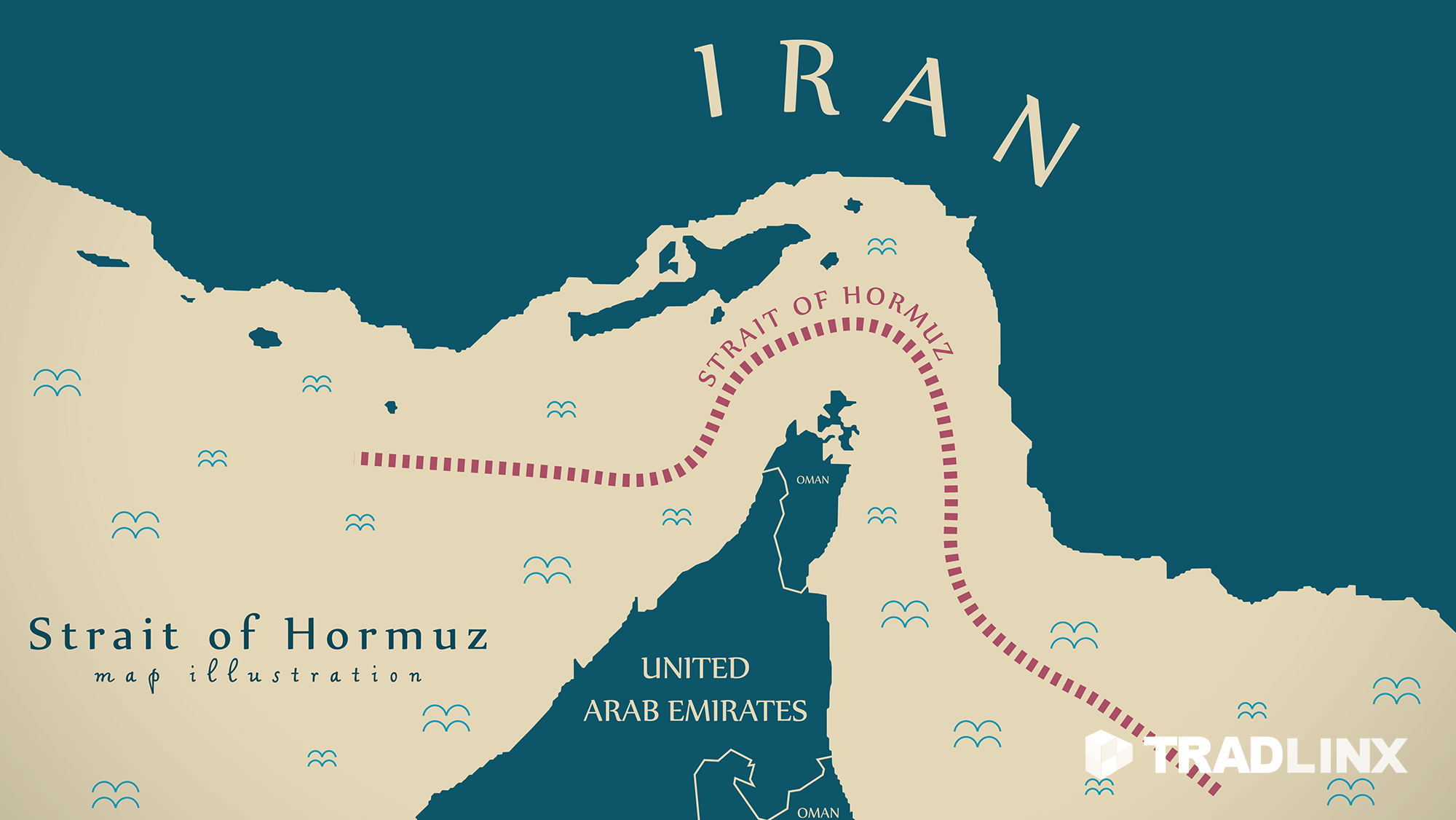
The reality is grim. We’ve seen a maritime blockade that basically strangled 20% of the world's oil and a huge chunk of its liquefied natural gas (LNG). Brent Crude already rocketed past $120. Even if the ships start moving tomorrow, the damage to the literal pipes and ports is done. You can't just flip a switch on a damaged gas field in Qatar or a sabotaged desalination plant in the UAE.
The ghost in the machine of global trade
Why is the World Bank so worried? Because they know how supply chains actually work. It’s not a straight line; it’s a web. When you stop the flow of 10 million barrels of oil per day, you don't just lose fuel. You lose the ability to make fertilizer. You lose the helium needed for semiconductors. You lose the very foundation of modern manufacturing.
Banga’s point is simple: the world needs to "walk and chew gum at the same time." While everyone is staring at the immediate crisis in the Middle East, a much larger structural disaster is brewing. We're looking at a global jobs deficit that could hit 800 million by the next decade. Short-term shocks like this blockade aren't just annoying—they're eating the capital we need to fix the long-term stuff.
Why the lag is inevitable
If you're running a business, you need to understand the "bullwhip effect." The disruption at Hormuz has already sent a shockwave through the system. Even if the Strait reopens today, here’s why your costs stay high:
- Infrastructure Scars: Sabotage and neglect during the conflict mean equipment needs cleaning, repairing, and re-certifying. This takes months.
- Inventory Depletion: Stocks of refined products, like diesel and jet fuel, are at rock bottom in Asia and Africa. Filling those back up takes priority over new commercial orders.
- Fertilizer Lag: A third of the world’s nitrogen fertilizer moves through that gap. Farmers in Brazil and India have already missed planting windows. That means food prices stay high through 2027, regardless of oil prices.
A stagflation trap for 2026
The International Monetary Fund (IMF) and the World Bank are already slashing growth forecasts. We’re looking at global growth slowing to 3.1%. That might sound okay until you realize inflation is projected to climb to 5.4% in the "adverse" scenarios we're currently living through. That's stagflation. It's the worst of both worlds: high prices and no growth.
Major economies in the Gulf, like the UAE and Saudi Arabia, are airlifting groceries because they rely on the Strait for 80% of their food. When a region that wealthy starts panicking about bread, you know the global system is fragile. The UAE had to bail out Bahrain with a $5.4 billion currency swap just to keep their neighbor from collapsing. This isn't a "business as usual" dip. It’s a systemic fracture.
The chip and medical device bottleneck
It's not just about gas. Did you know the semiconductor industry depends on helium for heat management? A lot of that comes out of the Gulf. If you're waiting for a new car or a piece of medical imaging equipment, the Hormuz closure just added six to eighteen months to your wait time. Manufacturers can't just find a new supplier for specialized parts overnight. It’s a 18-month process to vet and integrate new sources into a high-spec supply chain.
Stop waiting for a miracle
If your strategy is "wait for the Strait to open," you've already lost. The most resilient companies right now are the ones diversifying their energy sources and shortening their supply lines. Relying on a single choke point in a volatile region was always a gamble. Now, the bill has come due.
The World Bank isn't just warning about the Middle East. They’re warning about the fact that we have no "fiscal buffers" left. Most countries spent their safety net during the pandemic. Now, with interest rates staying high to fight this new wave of energy-driven inflation, there’s no cheap money coming to save you.
Your immediate checklist for the 2026 fallout
You need to act like the blockade is permanent, even if it isn't. Here is what you should be doing right now:
- Audit your Tier 2 and Tier 3 suppliers. You might think you're safe because you buy from a domestic company, but where do they get their raw materials? If their feedstock relies on Gulf petro-chemicals, you’re at risk.
- Lock down energy contracts. If you can hedge your energy costs now, do it. The volatility isn't going away for at least 12 months post-reopening.
- Prioritize liquidity. The World Bank is signaling a massive credit squeeze for emerging markets. If you do business in these regions, expect payment delays and currency volatility.
- Re-evaluate your "Just-in-Time" inventory. That model is dead in a world of maritime blockades. Build a "Just-in-Case" buffer for critical components.
Don't expect the G7 or the World Bank to bail out the global supply chain. They’re busy trying to prevent a total job market collapse for 1.2 billion people. You're on your own. Start building your own resilience today because the "months of disruption" Banga warned about have only just begun.