A quiet Louisiana community changed forever on a weekend in September 2026, when a brutal stabbing spree in Houma left four people dead and a young child fighting for survival. The subsequent manhunt for 47-year-old Kaegan Jude Solet exposed the raw vulnerability of small towns when sudden violence shatters everyday life. While law enforcement moved quickly to lock down the area and take a suspect into custody, the incident opened up tough conversations about repeat violent offenders, emergency response protocols, and how local communities cope in the immediate aftermath of a tragedy.
The Anatomy of a Manhunt in Terrebonne Parish
When dispatchers in Terrebonne Parish received initial calls regarding the attacks, the sheer scale of the violence quickly became apparent. Detectives discovered four deceased victims inside a residential area, alongside a child who had sustained critical injuries. The scale of the carnage sparked an immediate, multi-agency manhunt. You might also find this related story useful: The Currency of Mercy Behind Closed Doors.
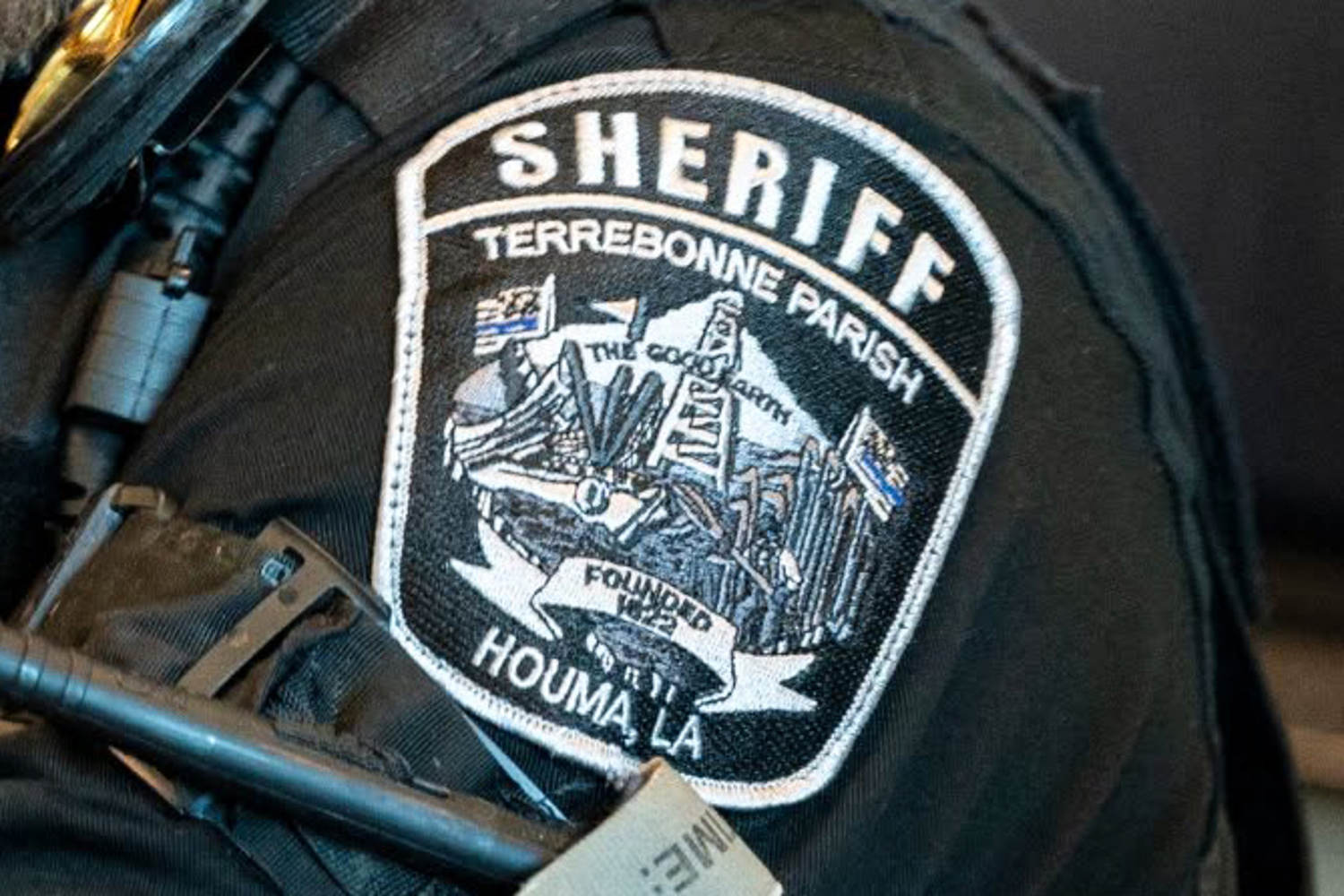
Local law enforcement, including the Terrebonne Parish Sheriff's Office, flooded the region with investigators. They utilized regional assets and public alerts to track down Solet. Unlike high-speed car chases or fugitive flights across state lines, this manhunt played out largely on a local level. Officials noted early on that they did not believe the suspect intended to flee far, pointing to the insular nature of many sudden localized violent episodes. The tension broke when authorities apprehended Solet without incident on a Sunday afternoon, roughly 24 hours after panic first gripped the town.
Unanswered Questions and Public Frustration
Whenever a crime of this magnitude hits a tight-knit southern town, information vacuums create fertile ground for rumor. In the days following the Houma stabbings, investigators faced intense public pressure to release a motive. Yet, police kept details guarded as forensic teams processed multiple crime scenes across nearby homes. As extensively documented in latest coverage by USA Today, the implications are worth noting.
The identification of the victims—later revealed to include members of a local family, such as Letha Verret, Paul Verret, and Verna Mae Verdin—deepened the community's grief. Meanwhile, the survival of the critically wounded child became a focal point of hope. Emergency medical services flew the juvenile to an out-of-area hospital via air ambulance, where medical teams worked round the clock to stabilize him.
The Shadow of Prior Legal History
Public scrutiny intensified when local records revealed the suspect's past. Court records showed Solet had previously faced arrest in connection to a separate Houma stabbing incident in December 2019, though a local jury ultimately found him not guilty of attempted second-degree murder at the time.
That historical detail sparked fierce debates online and across local neighborhoods regarding the predictability of violent behavior and the gaps within regional judicial tracking. When someone with a violent arrest record re-enters the public sphere only to be linked to a massive tragedy years later, residents naturally question how the system evaluates ongoing risks. Legal experts point out that an arrest record without a conviction cannot legally restrict a person's freedom indefinitely, but that reality offers little comfort to grieving families standing in the wreckage of a multi-victim homicide.
Moving Forward After Community Trauma
Rebuilding after a targeted massacre requires more than just locking a suspect behind bars. Schools, local counseling centers, and religious organizations in Terrebonne Parish immediately mobilized to offer grief support, particularly for peers and family members connected to the surviving child.
Crimes of this nature remind residents that safety isn't guaranteed by geography. For anyone living in a quiet suburb or rural town, the sudden shock of a violent home-invasion style attack shatters the illusion of immunity. Communities facing similar tragedies must focus heavily on localized mental health infrastructure, strengthening neighborhood communication networks, and supporting the youngest survivors who carry the psychological weight of witnessing unimaginable horrors.