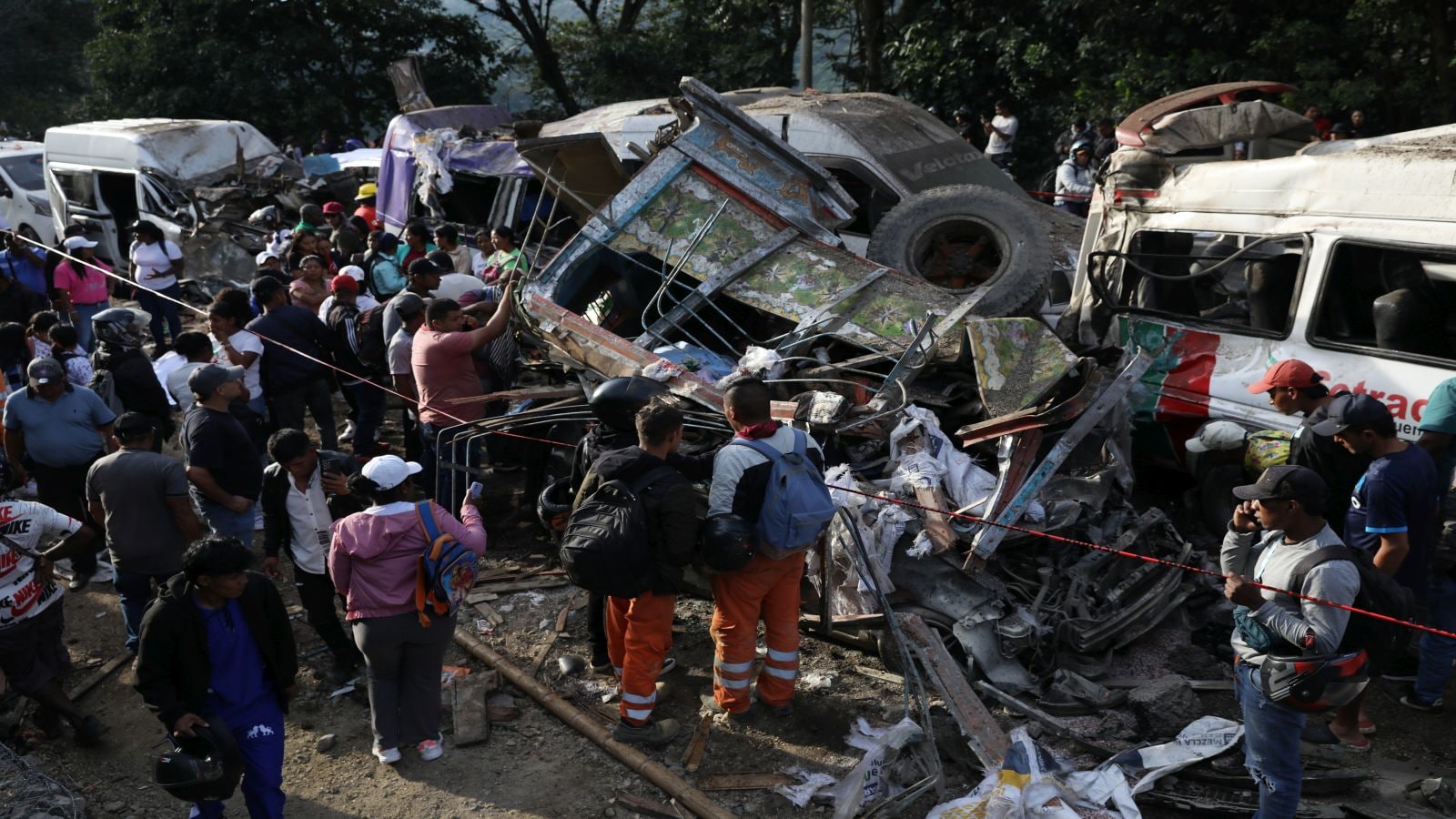
The mountain did not roar. It simply let go.
One moment, the earth beneath the Andean foothills was the solid, dependable anchor of daily life—coffee plants heavy with bright red cherries, corrugated tin roofs catching the afternoon glare, children kicking a scuffed plastic football down a steep dirt lane. The next, the ground turned to liquid glass and shattered.
Silence followed. Not peace, but the heavy, suffocating quiet that rushes in to fill a vacuum. Then came the dust. It billowed up in gray, choking plumes that blotted out the equatorial sun, turning midday into a dim, ash-choked twilight.
When the shaking finally stopped, the statistics began to crawl across news tickers miles away. Numbers. Cold, clean integers that reduce human catastrophe to a manageable data point for breakfast-table viewing. Two hundred and fifty. Then more. Always more. But numbers do not capture the weight of a concrete beam pressing against a mother’s chest, nor the frantic, raw-fingered scratching of a neighbor trying to tear open a tomb with bare hands.
To understand what happened in Colombia when the earth convulsed, you have to look past the toll and into the hours. The terrifying, elastic hours where time fractures.
The Anatomy of the First Collapse
Earthquakes do not just destroy buildings; they expose the fragile lies we tell ourselves about safety.
(Note: The following reconstruction is based on standardized accounts of high-magnitude seismic events in the Andean region, utilizing typical rescue response dynamics.)
Imagine Mateo. He is thirty-four, a carpenter whose hands smell permanently of fresh pine and sawdust. He was eating lunch with his wife and their seven-year-old daughter when the kitchen floor dropped out from under them. There was no time for fear. There was only the instinctive, primal lurch of muscle and bone as the walls folded inward like a house of cards.
When Mateo regained consciousness, the world was three feet high.
Dust coated his tongue like dry plaster. The kitchen table had wedged itself at an angle against a fallen pillar, creating a tiny, jagged pocket of air. In the suffocating dark, he heard her. His daughter, whimpering softly, pinned beneath a slab of concrete that defied every ounce of his strength.
"Stay still," he whispered, though his own voice sounded like it belonged to a stranger. "Papa is here."
He began to dig. With a piece of broken ceramic tile, with splinters of wood, with the nails of his fingers until they bled and turned black. He did not feel the pain. Adrenaline is a merciless anesthetic, burning away the nerves to leave only raw, desperate drive.
Outside that pocket, miles away from Mateo's makeshift crypt, the machinery of the state began its stuttering crawl.
The Race Against the Golden Window
Disaster response is a cruel mathematics. Search-and-rescue professionals talk about the golden seventy-two hours. It is an unyielding biological ceiling. Without water, exposed to crush syndrome, internal bleeding, and the crushing weight of dehydration in tropical heat, the human body can only endure so much before the quiet takes over.
Rescue in the Andes is a logistical nightmare. This is not a flat suburban grid where cranes can roll unhindered to a disaster zone. This is a landscape of vertical cliffs, narrow mountain passes, and winding roads prone to catastrophic landslides. When the quake struck, it did not just level towns; it severed the arteries connecting them to the outside world.
Whole communities were instantly marooned.
Picture the first responders—local firefighters with frayed hoses, civil defense volunteers wearing faded orange vests, teenagers who had pulled shovels from construction sites. They arrived at the edge of the disaster zone only to find their path blocked by millions of tons of displaced earth.
Frustration is a physical weight. You can see the rubble. You can sometimes hear the faint, ghostly tapping of a spoon against a metal pipe deep within the gray ruins. And yet, you stand blocked by a wall of red mud and shattered stone, waiting for heavy machinery that cannot cross a broken bridge.
This is the hidden cost of seismic vulnerability in developing regions. It is not just the initial impact of the fault line slipping miles beneath the crust. It is the cascading failure of infrastructure, the lag time between the scream and the arrival of help, the terrible gap where ordinary citizens must become executioners of hope or its sole providers.
The Long Night of the Mountain
As night falls over the Andes, the temperature plummets. The tropical warmth vanishes, replaced by a biting mountain chill that seeps straight through torn clothing and coats the rubble in a slick, mocking frost.
In the dark, the sounds change.
During the day, there is the chaotic noise of sirens, shouted orders, the mechanical whine of concrete saws, and the dull thud of heavy hammers. At night, the machines fall silent. Fuel runs low. Aftershocks—ghosts of the main tremor—still shudder through the ground every hour or so, sending fresh cascades of loose brick tumbling down into the voids.
This is when the silence becomes dangerous. Rescuers turn off their engines, kill their lights, and hold their breath. They listen.
A collective hush descends over the disaster zones. Hundreds of people standing on mounds of pulverized brick, straining their ears for the impossible sound of a voice, a sigh, a scratch.
Mateo heard them outside his pocket. He heard the muffled crunch of boots on concrete. He screamed, his raw throat tearing with every syllable, but his voice was swallowed by the massive bulk of the fallen roof above him. To the men walking ten feet over his head, he was just another statistic waiting to be counted.
Despair is not dramatic. It does not look like weeping in the movies. It looks like stillness. It looks like staring at a single speck of dust dancing in a shaft of moonlight until your eyes go dry.
The Resilience of the Broken
By dawn, the death toll crosses the threshold. Helicopters finally chop through the low-hanging valley clouds, rotors whipping up miniature dust storms as they land on improvised landing zones in soccer fields. Medical tents go up. IV bags swing from makeshift wooden poles.
And yet, the true story of these moments is rarely found in the efficiency of the bureaucracy. It is found in the collective refusal of ordinary people to walk away.
Consider the grandmother who spent eighteen hours digging with a soup spoon because she refused to believe her grandson was gone. Consider the young men who formed human chains, passing heavy chunks of concrete hand-over-hand until their palms were raw and their muscles locked in agonizing spasms.
We study earthquakes through seismographs and Richter scales, measuring energy in ergs and moment magnitudes. We map fault lines with lasers and satellites. But we fail to measure the human cost accurately because human endurance resists quantification. You cannot put a number on the stubbornness of love in the face of absolute ruin.
When Mateo was finally pulled from the dark, blinking against the brutal morning light after twenty-two hours beneath the earth, he did not cry. He looked down at his ruined hands, gray with dust and stained with his own blood, and asked for his wife.
The rescue worker looked away. That is all the answer a broken mountain needs to give.
The cameras will eventually leave. The news cycles will shift to political summits and economic forecasts. The collapsed buildings will be cleared, hauled away in dump trucks to distant landfills, and new foundations will be poured over the old graves.
But the mountain remains. And beneath the surface of daily life, deep down where the tectonic plates grind against each other in eternal, silent friction, the earth is already storing up the next secret, waiting for the moment it decides to speak again.