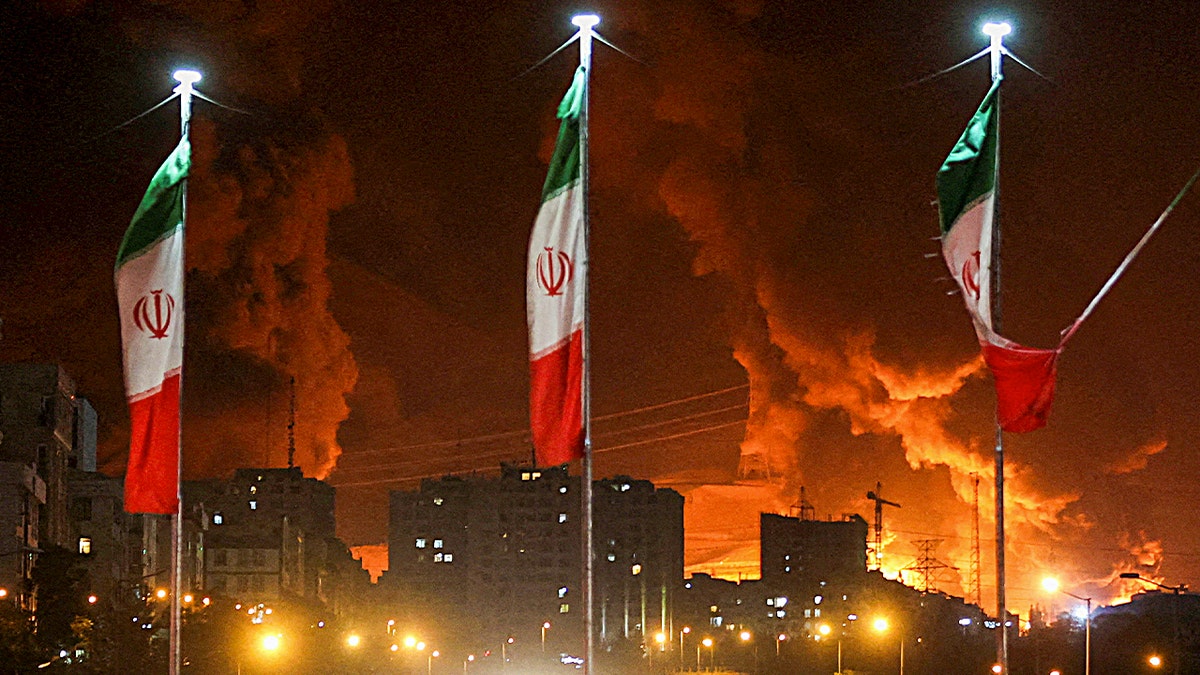
The International Cricket Council (ICC) isn't interested in your travel advice. Recently, the governing body found itself in the crosshairs of critics who felt the logistical arrangements for upcoming global events were haphazard, particularly given the escalating volatility in West Asia. It's a mess of a situation where sports and geopolitics collide, and the ICC's response was blunt. They called the criticism uninformed. They called it unhelpful. They're probably right.
Managing a world-class tournament is a nightmare even in peacetime. When you factor in the proximity of major transit hubs like Dubai and Doha to active conflict zones, the math gets terrifying. Critics suggested that the ICC was being slow to react or failed to provide clear contingency plans for teams and fans moving through the region. But here’s the thing about high-level logistics. You don't broadcast your "Plan B" on social media before you have to.
The Reality of Cricket Logistics in a Conflict Zone
Most people think shifting a tournament or rerouting teams is like changing an Uber destination. It's not. We're talking about hundreds of visas, multi-million dollar broadcast contracts, and the literal safety of athletes who are essentially high-value targets. The ICC’s firm stance isn't just about PR. It's about protecting the commercial and physical integrity of the sport.
When the West Asia crisis intensified, the immediate outcry was for "certainty." Fans wanted to know if flights would be grounded. Boards wanted to know if their players were safe. The ICC's point is that they operate on intelligence that the average Twitter pundit doesn't see. They work with government security agencies and private firms to monitor airspace in real-time. If they say the arrangements are fine, they aren't guessing.
The Problem With Armchair Security Experts
The noise mostly comes from people who don't understand how "Force Majeure" clauses work in sports contracts. You can't just cancel a leg of a trip because the news looks scary. There are legal frameworks involved. The ICC hit back because vague criticism creates panic. Panic leads to pulled sponsorships and nervous insurers.
I’ve seen this play out before. In past decades, teams refused to travel to certain regions based on perceived threats that didn't align with actual ground data. It guts the local economy and ruins the tournament's flow. The ICC is trying to prevent a domino effect where one team's hesitation turns into a full-scale boycott of a region that serves as the heartbeat of modern cricket.
Why Dubai Remains the Eye of the Storm
Dubai isn't just a shiny city with a big tower. It’s the ICC's headquarters and the central nervous system for cricket logistics. Almost every team flying from the West to the East stops there. If you "fix" the travel arrangements by bypassing the UAE, you effectively break the travel spine of the international game.
- Commercial hubs: Most major sponsors are tied to Middle Eastern logistics.
- Neutral ground: It’s one of the few places where teams with political friction can actually meet.
- Infrastructure: No other region can host a last-minute tournament with the same efficiency.
The ICC’s defense of their "West Asia" strategy is basically a defense of their own home base. They aren't going to admit that their central hub is a liability. Doing so would be a move toward financial suicide. They have to project strength, even if the behind-the-scenes meetings are tense and full of "what-if" scenarios.
Security Protocols Are Not Public Property
One of the biggest gripes from critics was the lack of transparency. "Tell us the plan," they screamed. Honestly, that's a terrible idea. Detailed security and travel protocols are kept quiet for a reason. The moment you publish the exact "safe route" you're taking, it's no longer the safe route.
The ICC’s clapback was a reminder that they aren't accountable to the public’s curiosity, only to the safety of the stakeholders. They’re dealing with civil aviation authorities and national security advisors. A bunch of angry emails from fans who are worried about their flight connections doesn't change the tactical reality on the ground.
Navigating the Geopolitical Minefield
Cricket has always been political. You can't separate the two. Whether it's India-Pakistan tensions or the current situation in West Asia, the ICC is constantly walking a tightrope. They have to remain "neutral," which usually just means staying quiet until they absolutely have to speak.
The criticism they faced wasn't just about flights. It was an underlying fear that the ICC was prioritizing profit over people. It's a fair concern on the surface. But look at the numbers. The revenue from these tournaments funds the growth of cricket in smaller nations. If a tournament fails, the global game shrinks. The ICC isn't just protecting a trophy; they're protecting the bank account that keeps the sport alive in fifty other countries.
The Cost of Rerouting
Moving an entire logistics chain away from the Middle East would cost tens of millions. It would involve re-negotiating with airlines like Emirates and Qatar Airways, who are massive players in the sports world.
- Increased Flight Times: Rerouting adds 5-10 hours to athlete travel, affecting recovery and performance.
- Visa Hurdles: Sudden shifts to European or African hubs require thousands of new visas on short notice.
- Broadcast Delays: Time zone shifts can kill the "prime time" slots in the subcontinent, where 70% of the money comes from.
Stop Listening to the Outrage Machine
The ICC's frustration is understandable. We live in an era where everyone feels entitled to an "inside look" at operational decisions. But sports administration at this level is more like a military operation than a hobby. If the ICC says the criticism is uninformed, they’re likely referring to the specific security briefings they receive—briefings that the public will never see.
They have a track record of delivering events in difficult spots. They’ve managed tournaments through pandemics and political upheavals. The West Asia crisis is just the latest hurdle. Is it risky? Yes. Is the ICC being reckless? Unlikely. They have too much to lose.
If you're worried about the state of international cricket travel, look at the schedules, not the headlines. If the planes are still flying and the teams are still landing, the "uninformed" critics are just shouting into the void. The ICC isn't moving because, for now, they don't have to. And they won't let outside pressure force a premature move that could cost them the entire season.
Check the official ICC media portal for the latest scheduled updates on tournament itineraries. Don't rely on third-party travel aggregators for information regarding athlete movement or tournament safety zones. Follow the directives of your local embassy if you're planning to travel to the region as a spectator. Stick to the facts. Let the experts handle the logistics.