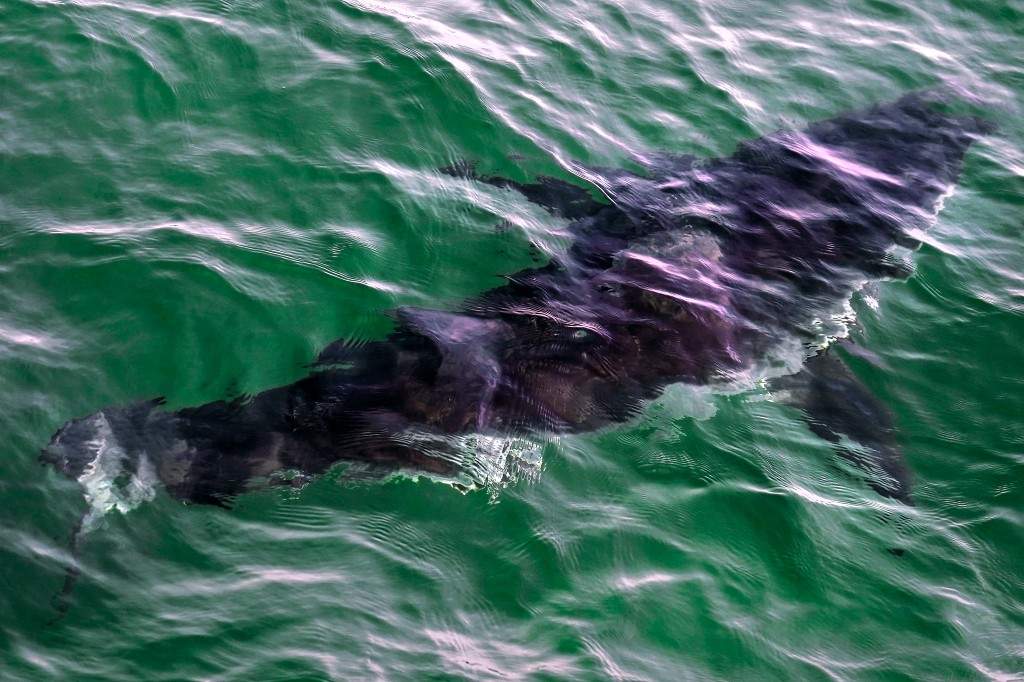
Charging a person with animal cruelty after an illegal great white shark capture turns an old-school ocean stunt into a serious criminal prosecution. Instead of writing off a rogue catch as bad judgment or a fishing mishap, prosecutors increasingly treat the unlawful hauling, restraining, or landing of a protected apex predator as intentional torment that inflicts severe physiological harm.
I have covered coastal enforcement beats, fisheries courts, and marine conservation battles for decades. Every time a headline like this surfaces, casual readers ask the same two questions: how can a fish trigger an animal cruelty charge, and why do people still risk heavy fines and prison time to land a great white shark?
The short answer lies at the intersection of wildlife protection statutes, anti-cruelty laws, and shark biology. Great white sharks are not built to be dragged onto a beach, hoisted out of the water by the jaw or tail, or held beside a boat for social media trophies. Once removed from buoyant water and deprived of steady gill ventilation, their bodies begin failing fast.
Why Law Enforcement Treats Illegal Capture as Cruelty
For years, wildlife violations lived in a narrower lane. Wardens wrote citations, confiscated gear, assessed civil penalties, and moved on to the next boat ramp. That approach often felt like a cost of doing business to thrill-seekers chasing clout or commercial buyers hunting high-value fins and jaws.
Prosecutors shifted gears when they began pairing protected species violations with animal cruelty statutes. Under traditional wildlife rules, a violation might focus strictly on taking a prohibited species without a permit. Under anti-cruelty provisions, the legal focus shifts to unnecessary suffering, physical trauma, and reckless disregard for a living animal's distress.
Courts look closely at how the animal was handled. Gaffing a shark through sensitive tissue, dragging it across sand or rocks where gravity crushes internal organs unsupported by water, or keeping it out of the water for prolonged photo sessions creates clear evidence of acute trauma. Even if a shark swims away after release, marine biologists know that capture stress can leave lethal metabolic damage behind.
Consider a hypothetical example of an enforcement case on a busy stretch of coast. An angler hooks a juvenile great white shark from shore, battles it for an hour, hauls it onto the sand, kneels on it for photographs, and eventually shoves it back toward the surf. Even if the animal eventually slips beneath the waves, investigators examine the elapsed time out of water, visible lacerations, and signs of exhaustion to build a cruelty count alongside the illegal take charge.
What Happens Inside a Great White Shark During Capture
People often underestimate how fragile a massive predator can be out of its element. A great white shark looks like an armored tank of muscle and cartilage. It is not.
Sharks lack a bony skeleton. Their structural support relies heavily on cartilage and the natural buoyancy of water. Pull a large shark onto dry land or suspend it vertically from a crane or hoist, and gravity pulls heavy organs and tissues downward in ways their anatomy never evolved to handle.
Capture myopathy and severe acid-base imbalances are major threats during prolonged fights and handling. When a shark struggles intensely against heavy tackle, muscles burn energy rapidly and generate lactic acid while oxygen delivery drops. Unlike many bony fishes that can pump water across their gills while stationary, great white sharks depend on forward swimming motion—ram ventilation—or active water flow to keep oxygen moving across gill filaments.
Restrain a great white shark alongside a boat or drag it backward and forward without proper flow, and oxygen debt mounts quickly. Stress hormones surge. Heart rate and blood chemistry swing sharply out of balance. Some sharks die hours or days later from delayed physiological collapse even when bystanders celebrate a "successful release."
The Motives Behind Risky Illegal Catches
If the penalties are severe and the biology is unforgiving, why does an illegal great white shark capture still happen? Motives vary, and pretending they are all identical misses how enforcement actually works.
Some incidents stem from deliberate trophy hunting and notoriety. Short-form video feeds reward extreme spectacle. A photo or clip showing a huge predator pinned down or hoisted into the air draws immediate engagement, views, and followers. For certain individuals, online status outweighs abstract legal warnings until a subpoena arrives.
Other cases start as misidentified catches or stubborn ego. Anglers targeting large sharks or rays sometimes hook a protected species unintentionally. Instead of cutting the line immediately to minimize stress and comply with safe-release rules, some keep fighting the fish to see what it is or to prove their skill. Once exhaustion sets in, landing or dragging the animal becomes more tempting—and far more damaging.
There is also a darker economic undercurrent in global marine trade. Even where domestic laws ban targeting great white sharks, fins, jaws, teeth, and meat retain value in illicit markets. A single case rarely proves an organized smuggling ring on its own, yet every illegal capture reminds regulators that enforcement gaps still exist along vast coastlines.
Gray Areas in Coastal Enforcement and Public Debate
Anyone who has spent time on docks and beaches knows the law rarely operates in neat black-and-white lines. Real-world enforcement is messy.
Shoreline anglers casting heavy gear for bull sharks, blacktips, or hammerheads sometimes hook a juvenile great white without realizing it until the shark surfaces near the breakers. Proving intent versus negligence or accidental bycatch takes careful investigative work. Metadata from phones, witness statements, video timestamps, and gear configurations often decide whether a case stays a regulatory infraction or escalates into felony or misdemeanor cruelty charges.
Public reaction can also swing wildly. Coastal communities that rely on fishing charters, surf tourism, or commercial boats sometimes push back when penalties feel sweeping or disconnected from day-to-day life on the water. Conservationists, on the other hand, argue that light punishments fail to deter people who treat apex predators like props.
Neither side has a magic wand. Overly rigid enforcement can alienate lawful fishermen who report problems and follow safety rules. Overly lenient enforcement signals that laws protecting vulnerable marine life have no teeth.
How Modern Investigations Build a Case
Twenty years ago, catching someone who illegally landed a shark and released it quietly was tough unless a game warden happened to be standing nearby with binoculars. Today, the digital trail leaves far fewer hiding places.
Investigators routinely review social media posts, livestreams, boat GPS tracks, dock cameras, and angler messages. A clip posted to brag about landing a monster fish often supplies the exact visual proof prosecutors need: how long the shark was out of the water, whether it was gaffed, how it was lifted, and how the people around it behaved.
Forensic details matter too. Biologists and enforcement officers look at fin shape, gill slit placement, caudal keel ridges, and body coloration to confirm species identification—crucial when defense attorneys argue a suspect thought they had a different shark on the line. When a great white shark is killed or found washed ashore with signs of tackle trauma, necropsy findings can link physical injuries directly to human handling.
| Case Factor | Lower Legal Exposure | Higher Cruelty Exposure |
|---|---|---|
| Handling Location | Kept in water beside vessel | Hauled onto beach, dock, or deck |
| Equipment Used | Barbless or non-lethal tackle, prompt cut | Gaffs, ropes around tail/gills, hoisting gear |
| Duration of Restraint | Brief unhooking or immediate line cut | Extended fight plus prolonged out-of-water posing |
| Species Awareness | Promptly released upon recognition | Continued fighting or landing after identification |
What This Shift Means for Coastal Policy and Accountability
Charging a suspect with animal cruelty after an illegal great white shark capture sends a clear signal across marinas, beaches, and courtrooms. Harming a protected marine animal for sport, neglect, or clout is not a harmless prank. It is a crime with real consequences.
Yet laws alone do not patrol thousands of miles of shoreline or change habits overnight. Real accountability depends on clearer public education on safe-release rules, faster reporting when protected sharks are hooked, and consistent prosecution that separates genuine accidents from blatant abuse.
When someone hauls a struggling great white shark onto the sand for a picture, the damage happens in minutes—and the legal reckoning can last for years.