An uneasy ceasefire between the United States and Iran shattered entirely over the weekend, proving that the interim diplomatic breakthrough signed in Islamabad was built on quicksand. The illusion of a stabilized Persian Gulf dissolved when a sequence of drone strikes and naval engagements drew direct lines of fire between Washington, Tehran, and the small island kingdom of Bahrain. This sudden escalation directly threatens global energy corridors and exposes the deep structural flaws of an agreement that attempted to freeze a highly volatile conflict without resolving its root causes.
The immediate trigger for the latest crisis occurred on Thursday, when an Iranian drone targeted the Singapore-flagged container ship Ever Lovely as it attempted to exit the Strait of Hormuz. The US military intercepted three incoming drones, but a fourth struck the vessel. In rapid retaliation, US Central Command executed overnight airstrikes hitting Iranian missile storage sites, drone launch facilities, and coastal radar installations in southern Iran.
Tehran responded within hours. On Saturday morning, the Islamic Revolutionary Guard Corps launched a wave of one-way attack drones against Bahrain, a key American ally and home to the US Navy Fifth Fleet. Simultaneously, a commercial oil tanker transiting the Strait of Hormuz was struck by an unidentified projectile, damaging its bridge and sending shockwaves through international shipping markets.
The Flawed Foundations of the Islamabad Memorandum
Diplomats celebrated the signing of the Islamabad memorandum of understanding earlier this June, framing it as a permanent halt to the devastating kinetic war that began in February. That celebration was premature. The text of the accord left critical maritime disputes unresolved, creating gray zones that both sides immediately sought to exploit.
The core breakdown centers on a fundamental disagreement over who controls transit through the Strait of Hormuz. Iran asserts that because the shipping lanes pass through its territorial waters, it possesses the legal authority to police traffic, inspect cargo, and impose transit fees on commercial vessels. The United States and its regional partners reject this stance completely, maintaining that the strait is an international waterway governed by transit passage rights under international law.
Hardline factions within Tehran viewed the interim deal as a strategic retreat by their own negotiating team. The state-aligned newspaper Kayhan explicitly criticized the agreement, arguing that the strait should never have been reopened before securing binding guarantees and financial compensation from Washington. By attacking the Ever Lovely, the Revolutionary Guard sent a clear message to both its domestic audience and the White House that it would continue using its geographic position as an economic weapon.
Why Bahrain Became the Target
The decision to target Bahrain with a coordinated drone swarm was a calculated geopolitical move rather than a random act of aggression. Manama has long stood as one of the most vocal critics of Iranian regional policy, frequently accusing Tehran of backing subversive political elements within its borders.
More importantly, Bahrain serves as the operational nerve center for American naval power in the Middle East. The headquarters of the US Fifth Fleet at Naval Support Activity Bahrain represents the primary obstacle to Iran's ambitions of maritime dominance. By launching drones at the island kingdom, Tehran demonstrated that it can threaten American military infrastructure and civilian assets simultaneously, complicating the security calculus for regional host nations.
Iranian Interceptions reported by Bahrain Defence Force (Cumulative 2026)
-------------------------------------------------------------------------
Early Conflict Phase (Feb - Mar):   112 Ballistic Missiles | 186 Drones
Mid-Conflict Phase (Apr - May):     188 Ballistic Missiles | 468 Drones
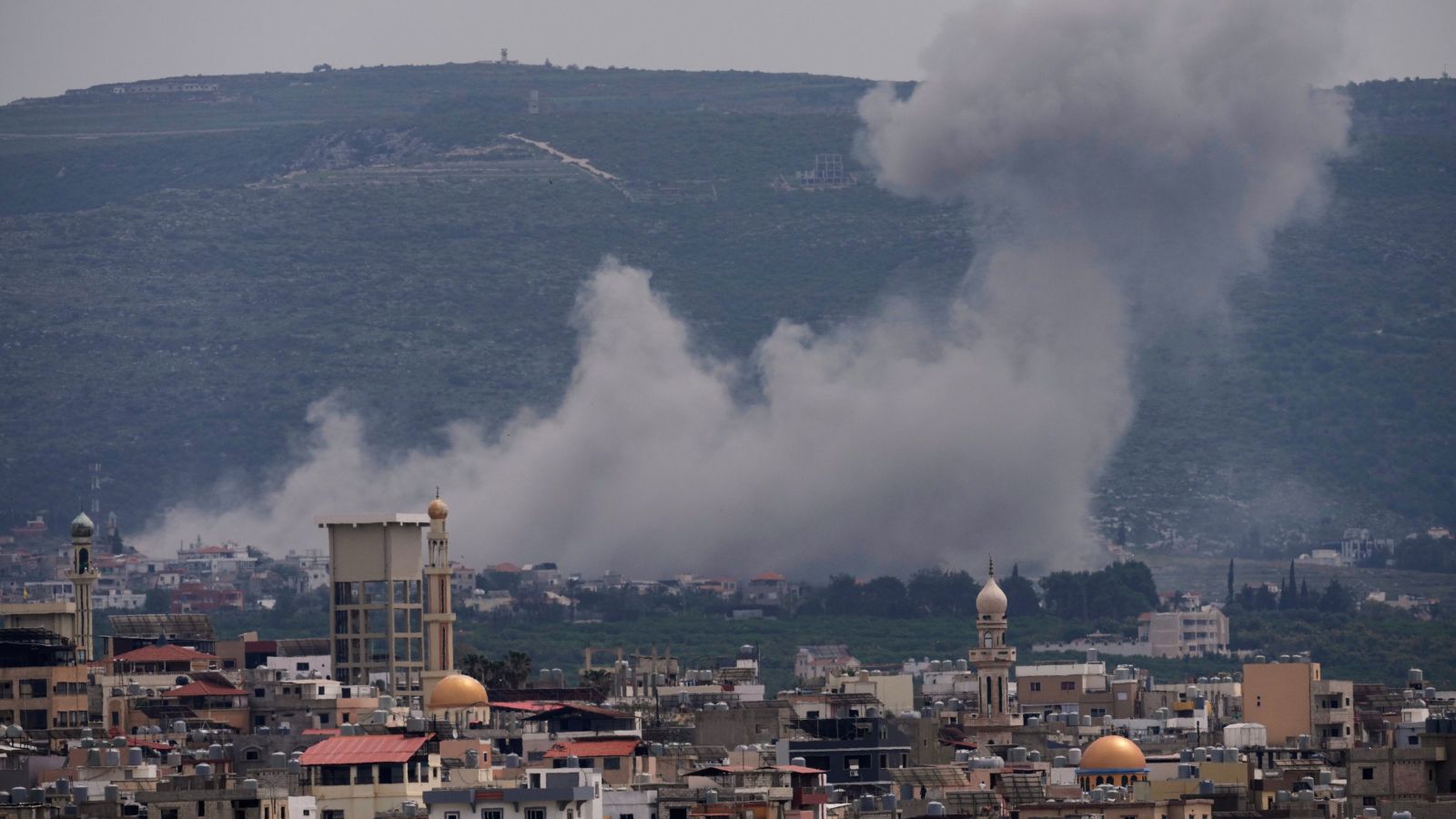
The Bahraini Ministry of Foreign Affairs condemned the strikes as a flagrant threat to the security of citizens and residents. Pieces of intercepted drones fell into populated areas around the capital city of Manama, setting vehicles on fire and causing structural damage to residential neighborhoods. For Bahrain, the war never truly stopped, even during the brief windows when Washington and Tehran claimed to be observing a ceasefire.
The Maritime Chessboard at the Omani Shoreline
While drones were flying toward Manama, an equally significant escalation unfolded quietly on the water. The Joint Maritime Information Center, a multinational body overseen by the US Navy, issued an emergency notice declaring that the shipping route near Oman’s shores would be expanded to handle bidirectional traffic.
This operational adjustment represents a direct attempt to bypass Iranian territorial waters entirely. Historically, the inbound and outbound shipping lanes in the Strait of Hormuz have been separated by a separation zone to prevent collisions, with the inbound lane dipping into Iranian sectors. By forcing two-way traffic through the narrow Omani southern corridor, the US military intends to shield commercial vessels from Iranian boarding parties and harassment.
| Metric | Status and Implications |
|---|---|
| Strait of Hormuz Width | 21 miles at its narrowest point |
| Global Oil Transit Volume | Approximately 20 percent of global supply |
| New Omani Routing | Bidirectional traffic restricted to southern waters |
| Principal Maritime Threats | Moored mines, fast-attack craft, and loitering munitions |
This tactical shift brings severe operational risks. The Joint Maritime Information Center warned mariners that the threat level remains substantial, specifically citing the presence of unexploded naval mines in the area. Clearance operations are actively underway, requiring a heavy naval presence that brings American and Iranian warships into dangerous proximity. Navigating large, fully laden crude tankers through an expanded, crowded Omani corridor increases the risk of maritime accidents in one of the world's most critical choke points.
The Economics of a Fractured Choke Point
The immediate consequence of this maritime instability is economic. Shipping companies are facing soaring insurance premiums for transiting the Persian Gulf, forcing some operators to consider the lengthy and expensive detour around the Cape of Good Hope.
The dispute over transit fees highlights the economic warfare underpinning the military engagements. Iran has threatened to systematically detain vessels that refuse to pay its self-imposed duties. The United States has vowed to escort commercial shipping to prevent these seizures, turning a legal dispute into a potential trigger for direct naval combat.
This environment makes the resumption of normal commercial activities nearly impossible. Although minor diplomatic tracks remain open, such as the scheduled resumption of civilian flights between Iran and the United Arab Emirates, these small steps toward normalization are routinely overshadowed by explosions in the shipping lanes.
The Limits of Deterrence
The strategic calculation of the White House has relied heavily on the concept of calibrated deterrence. By launching precise strikes against drone storage and radar facilities, the administration hoped to increase the cost of aggression enough to force Tehran to adhere to the Islamabad agreement.
The response on Saturday proved that this deterrent model is failing. Tehran views the current geopolitical environment as an opportunity to test American resolve, betting that Washington has no appetite for a prolonged, large-scale ground conflict in Asia. Each American strike is met with a asymmetric counter-strike, creating a cyclical pattern of escalation that chips away at the credibility of regional security frameworks.
This cycle leaves regional allies like Bahrain in an incredibly precarious position. Despite relying on advanced missile defense systems like the American-made Patriot batteries, the volume of incoming loitering munitions can overwhelm localized grids, as seen by the shrapnel damage in Manama's residential sectors.
The conflict has evolved beyond a series of isolated skirmishes into a grinding war of attrition over the legal and physical control of international trade routes. The Islamabad memorandum failed because it treated a foundational geopolitical conflict as a temporary border dispute. Until the core question of freedom of navigation in the Strait of Hormuz is settled with binding, enforceable mechanisms, any declaration of peace is merely a intermission between missile launches. Shippers and regional governments must prepare for a prolonged period of instability, where the next drone launch is a matter of hours, not months.