You don't accidentally wipe 130 million people off a country's voter rolls.
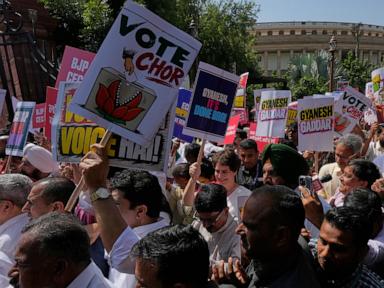
That is the raw, burning anger driving thousands of citizens and opposition leaders into the streets of New Delhi. India's political landscape is fracturing further as the opposition INDIA bloc, alongside youth-led student groups like the Cockroach Janta Party, demands the immediate resignation and criminal prosecution of Chief Election Commissioner Gyanesh Kumar.
Prime Minister Narendra Modi’s government calls the mass scrubbing a routine cleanup of duplicate entries, deceased voters, and undocumented immigrants. Everyone else on the ground sees an engineered attempt to rig future elections by systematically silencing minority populations and urban working classes.
Inside the Massive Purge Of Electoral Rolls
The scale of this operation defies simple administrative housekeeping. In New Delhi alone, roughly 4.76 million people—nearly a third of the capital's entire electorate—vanished from active voter registers during recent verification rounds. Across the nation, the total crosses 130 million dropped names.
Families who have lived in the same neighborhoods for decades suddenly find themselves flagged as "shifted" or entirely ineligible. Critics point out a glaring pattern: these deletions hit Muslim communities and lower-income urban pockets hardest.
Internal dissent within the Election Commission itself leaked out earlier, with reports showing Kumar's own deputies raising red flags over opaque digital systems and rushed verification procedures. When election officials blow whistles from the inside, public trust evaporates fast.
The Street-Level Rebellion
Protests haven't remained confined to polite parliamentary debates. Delhi's historic Ramlila Maidan turned into a sea of defiance as opposition figureheads like Rahul Gandhi took the microphone to denounce what they call institutional theft.
Police barricades, baton-wielding security forces, and mass detentions have become standard responses to any public gathering questioning the poll body. Authorities even restricted traditional demonstration zones like Jantar Mantar, pushing protesters into tighter corners.
Yet the movement keeps expanding. Student networks and grassroots activists are organizing outside traditional party lines, refusing to let the issue fade into the 24-hour news cycle.
Health Minister Jagat Prakash Nadda dismissed the rallies as a carefully orchestrated drama by frustrated politicians. But that narrative is wearing thin as citizens from rural towns and major urban centers alike share identical stories of missing ballot rights.
What Happens Next
The immediate battle lines center on strict deadlines. Citizens have a narrow window to file objections and fix stripped voter registrations before final rolls lock in.
Opposition leaders are betting that sustained pressure will break the government's stonewalling. If millions remain disenfranchised when the final lists drop, the political crisis won't blow over—it will explode straight into the next election cycle. Democracy requires a belief that your vote actually exists on paper. Right now, millions of Indians are fighting just to prove they count.
Election chief protests in India
This video provides a direct look at the protests in New Delhi where opposition parties demanded the resignation of the election chief over controversial voter list changes.