Diplomacy rarely bleeds out in public view all at once. Usually, the rot sets in behind closed doors through whispered complaints, unreturned phone calls from local ministries, and frantic cables from career foreign service officers trying to keep the lights on. For Kimberly Guilfoyle, the end of her short tenure as the United States Ambassador to Greece arrived not with a quiet diplomatic whisper, but with a blunt shove from Washington.
When the White House forced her resignation, it cut short an experiment in political patronage that had strained traditional alliances and alarmed career officials from Washington to Athens. Long before press secretary Katie Zacharia announced that the administration had asked for her departure, the writing was etched clearly across the marbled halls of the American embassy on Vasilissis Sophias Avenue. In related developments, we also covered: Stop Chasing Ghost Planes on Nikumaroro Island.
The Anatomy of an Embassy in Freefall
Ambassadorships have historically served two distinct masters. They function either as carefully calibrated instruments of statecraft or as golden parachutes for loyal fundraisers and political allies. When an appointee lacks the institutional patience required for the diplomatic corps, friction is guaranteed. In Guilfoyle’s case, that friction quickly escalated past normal bureaucratic turf wars.
Reports detailing financial misconduct, questionable gift acceptances, and aggressive demands directed at political donors began circulating through investigative reports, transforming a prestige post into a daily crisis management exercise for the State Department. Foreign service veterans watched with mounting dread as the embassy in Athens—a critical anchor for Mediterranean security and energy corridor negotiations—became a punchline in local Greek media outlets. USA Today has also covered this fascinating topic in extensive detail.
The breaking point arrived when the optics shifted from embarrassing to politically toxic. Even as Secretary of State Marco Rubio touched down in Athens on a damage-control tour, attempting to project stability and alliance strength, the local press corps focused relentlessly on the internal dysfunction consuming the mission.
When Loyalty Hits the Wall
Political appointees who weather administrative storms usually do so by keeping their heads down and letting career bureaucrats manage the heavy lifting. Guilfoyle pursued the opposite path. Her tenure was marked by a high-visibility social footprint that frequently overshadowed policy objectives.
A glaring disconnect defined her months in Greece. While regional tensions simmered and complex energy diplomacy demanded delicate maneuvering, reports highlighted complaints regarding luxury travel arrangements and grievances over exclusive access at international forums like Davos. For an administration priding itself on populist optics, a representative caught up in allegations of soliciting financial favors from wealthy donors became an untenable liability.
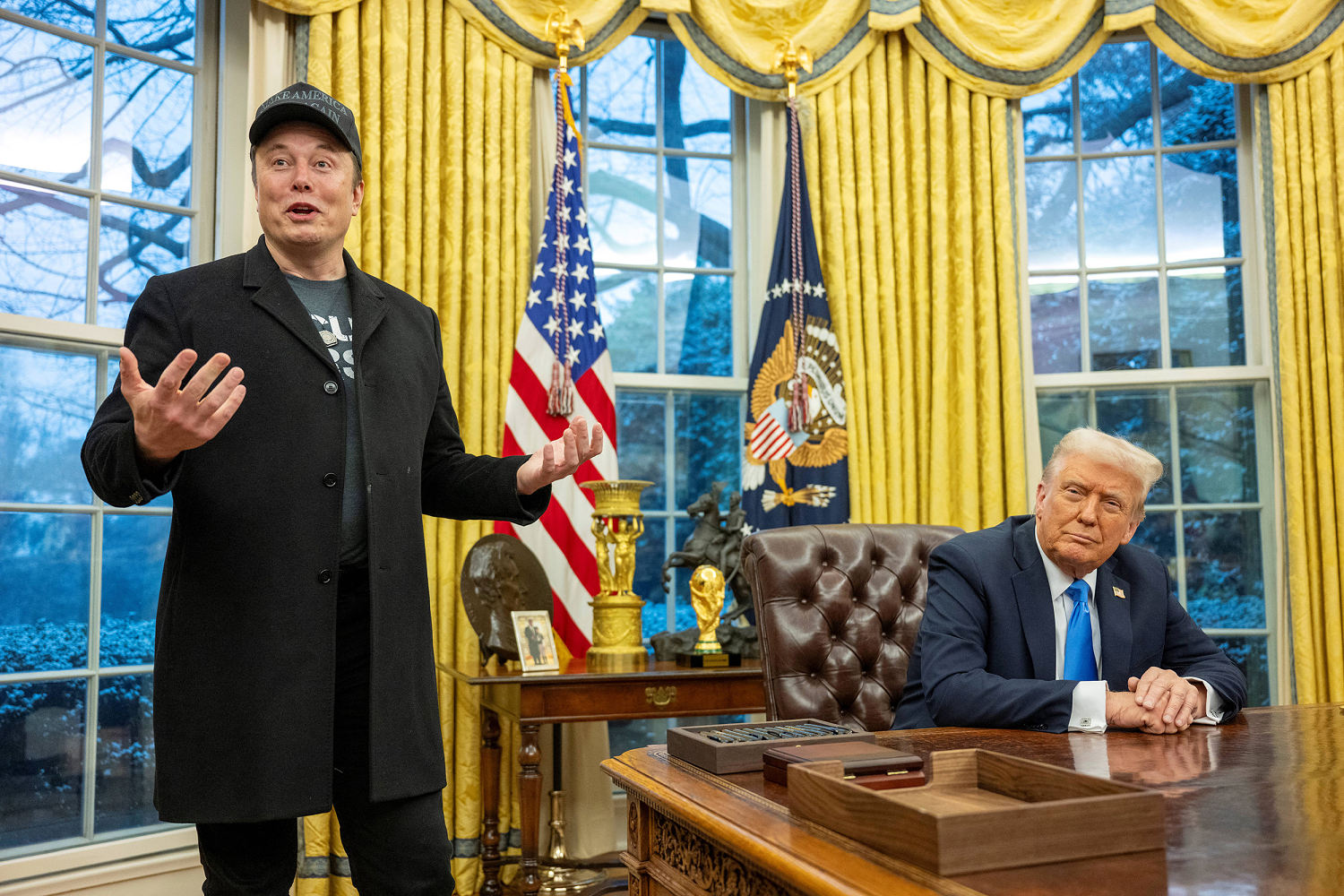
President Donald Trump’s public dismissal was characteristically transactional. Observers noted the speed with which the administration severed ties once the negative press reached critical mass. Remarks from the White House made no attempt to disguise the impatience of West Wing handlers who looked at the Athens portfolio and saw an unnecessary distraction heading into a crucial political cycle.
The Cost of Patronage Diplomacy
Every diplomatic failure of this magnitude leaves wreckage that takes years to clear. The immediate consequence is a hollowed-out mission where morale among foreign service professionals bottoms out. When political leadership views an embassy as a personal fiefdom rather than an instrument of national interest, institutional memory leaves the building.
Greece is not a minor listening post. It serves as a vital pivot point linking the Balkans, the Aegean, and the broader Middle East. Energy pipelines, military base sharing agreements, and naval logistics depend entirely on quiet, competent, unglamorous negotiation. Treating that arena as a stage for celebrity-adjacent administration figures invites precisely the kind of humiliation that played out on the global stage.
Guilfoyle has vowed to mount a vigorous defense against the allegations, leaning on the combative posture that defined her years in public television and campaign circuits. Yet her legal battles matter far less to the diplomatic corps than the precedent her ouster sets.
The episode exposes the fragile boundary between rewarding political loyalty and risking core national security interests. Ambassadors represent the executive branch, but they also anchor the credibility of American power abroad. When that anchor slips, no amount of defiant social media posting or high-priced legal representation can patch the hull.
The embassy in Athens now waits for a chargé d'affaires to restore a sense of professional gravity. The marble corridors on Vasilissis Sophias Avenue are quiet once more, save for the sound of career diplomats quietly picking up the pieces left behind by an experiment that burned too bright and crashed too hard.