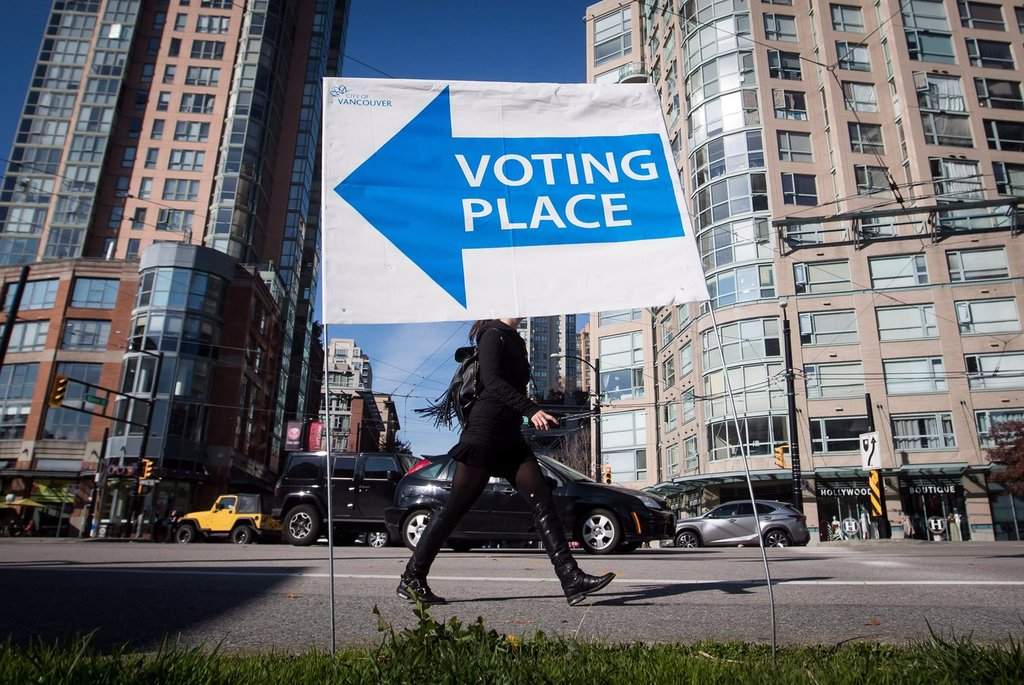
The ballots cast across British Columbia during the October 2026 municipal elections revealed a profound voter restlessness that upended long-standing civic administrations from Vancouver to the Interior. Incumbency, traditionally an armor-plated shield in local politics where familiar names usually coast to comfortable re-election margins, suddenly became a liability. Citizens did not merely vote for alternative candidates; they signaled a wholesale rejection of the status quo at the city hall level, creating a fascinating political friction point just as provincial dynamics shifted.
Understanding why this municipal shockwave occurred requires looking past the surface numbers and examining the grinding pressure cooker of local governance. For years, city councils across British Columbia have absorbed the brunt of compounding crises: housing affordability deficits, visible public disorder, infrastructure bottlenecks, and an escalating property tax burden that forces homeowners onto the defensive. When voters feel squeezed from every financial and social angle, local politicians face an accountability reckoning that federal and provincial leaders often manage to dodge behind broader partisan smoke screens.
In Vancouver, this discontent materialized in a historic shift. The election of Green Party candidate Pete Fry to the mayoral office marked a major milestone as he defeated incumbent Ken Sim. Sim’s ABC Vancouver vehicle, which had swept into power just four years prior with sweeping majority control over council, park boards, and school boards, fractured under the weight of voter expectations. The outcome demonstrated that urban electorates are increasingly willing to discard recent political experiments if the promised housing and public safety deliverables fail to materialize on an accelerated timeline.
Yet, the broader municipal landscape defied simple ideological categorization. While progressive shifts reshaped major urban centers, other regions experienced an entirely different current. Across several Interior and suburban municipalities, voters reached backward rather than forward, unseating sitting executives in favor of seasoned veterans who promised administrative stability over ideological experiments. This split personality of the 2026 local elections points to a sophisticated, deeply frustrated electorate. Communities were not blindly swinging left or right; they were frantically searching for competence, demanding localized solutions to regional economic pain.
This urban-suburban and interior divergence exposes a structural vulnerability in how British Columbia communities are funded and managed. Municipalities remain heavily reliant on property taxes and conditional provincial grants to shoulder responsibilities that outstrip their revenue tools. When inflation drives up the cost of maintaining aging water mains, policing, and transit expansion, city councils are forced into a corner. They must either slash services or hike property taxes, alienating taxpayers either way. The 2026 results suggest that voters have run out of patience for this structural impasse, choosing instead to punish whoever happens to be holding the clipboard when the bills come due.
Consider the hypothetical case of a mid-sized B.C. municipality grappling with a stagnant commercial tax base and aging sewer infrastructure. Under pressure to build denser housing to meet regional targets, the local council must approve high-density developments while listening to angry residents decry traffic congestion and loss of neighborhood character. If the council says yes, they face immediate neighborhood backlash at the ballot box. If they say no, the province steps in with legislative overrides, making local politicians look toothless. Navigating this lose-lose dynamic requires a level of political wizardry that few elected officials possess, making mass turnover almost inevitable during periods of intense economic transition.
The consequences of this sweeping municipal reset will ripple directly upward into provincial politics. City halls are the nurseries of broader public sentiment. When dozens of mayors and councillors are shown the door in a single election cycle, it serves as an amber warning light for provincial legislators. Voters are paying granular attention to how well their streets are paved, how safe their neighborhoods feel, and how transparently tax dollars are spent.
As these newly minted councils take their seats and confront multi-million dollar budget shortfalls, the honeymoon period will be measured in weeks, not years. The public mandate delivered in October 2026 was not an endorsement of any single party's grand vision, but rather a demand for fundamental operational competence. If the incoming leadership fails to deliver tangible relief on housing costs and core municipal services, the revolving door of local politics will spin right back around when the next cycle arrives.