In 1980, conservationists stared down a ticking biological time bomb off the coast of Southern California: tens of thousands of feral sheep roaming Santa Cruz Island and systematically stripping its endemic flora to bare earth. What followed was not a gentle wildlife relocation project, but a hard-nosed, multi-decade ecological intervention that involved riflemen, helicopters, and a frantic rescue mission to save a distinct genetic lineage from total annihilation.
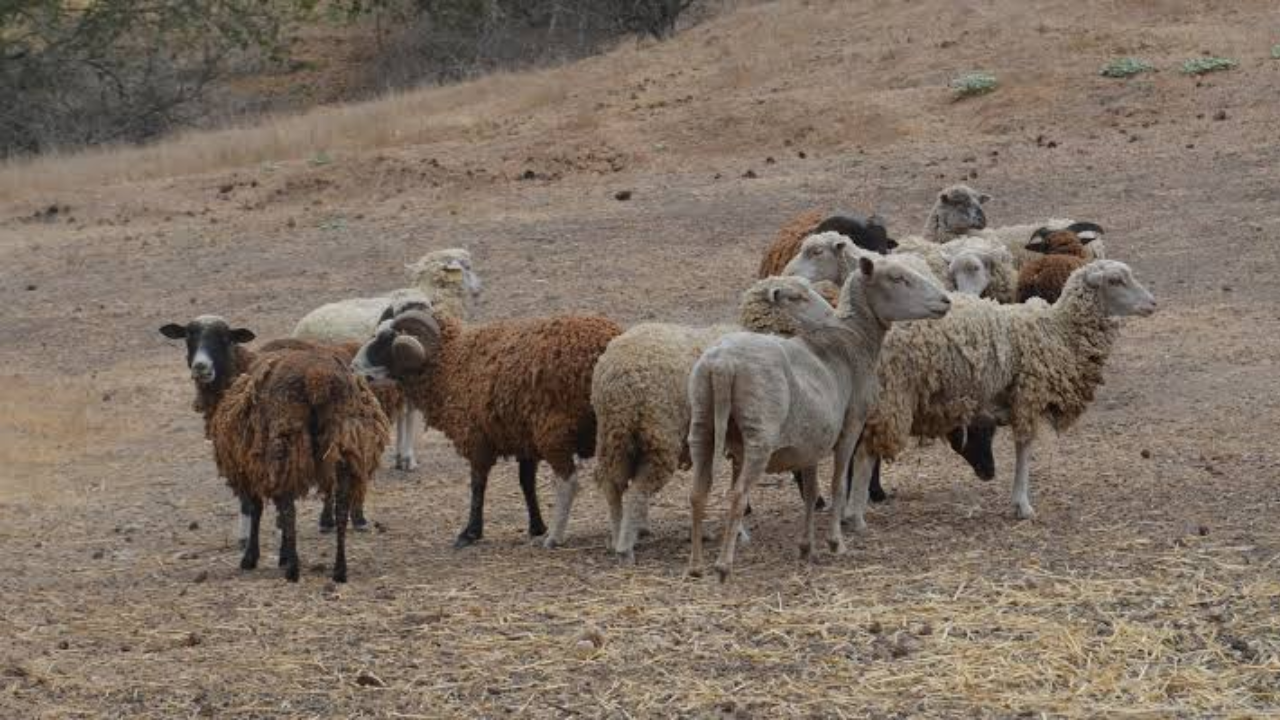
The primary driver behind the crisis was simple math mixed with historical neglect. Domestic sheep brought to the Channel Islands in the mid-19th century multiplied unchecked after ranching priorities shifted toward cattle in the 1930s. Cut off from mainland pressures, these animals adapted into a hyper-hardy feral population. By the late 1970s, an estimated 21,500 sheep occupied the terrain. Every blade of native grass and every struggling oak sapling faced relentless grazing pressure, triggering severe topsoil erosion that choked native watersheds. For a different perspective, check out: this related article.
The Nature Conservancy, which acquired the bulk of the island, recognized that half-measures would fail. Passive management was impossible. The sheer volume of livestock meant that natural attrition would take centuries while endemic species vanished forever.
The Logistics of Removal
Field teams faced an unforgiving landscape of steep canyons, jagged sea cliffs, and dense chaparral. Traditional roundups were entirely impractical for animals that had spent decades reverting to wild instincts. Further coverage regarding this has been shared by Reuters.
Sharpshooters deployed via helicopter alongside ground hunting teams to systematically reduce the headcount. The operation was stark, unglamorous, and controversial. Animal welfare groups and conservationists frequently clashed over the ethics of mass culling, forcing organizers to navigate a minefield of public relations backlash while keeping their eyes fixed on habitat recovery metrics.
By 1987, the numbers told a dramatic story. The population plummeted from over 21,000 down to fewer than 100 animals. The island's stripped hills began the slow, painful process of bouncing back. Native shrubs sprouted where barren dirt had dominated for generations.
Saving the Ghost Breed
As the eradication program neared its final phases, geneticists and livestock historians raised an alarm. Centuries of isolation had transformed the feral sheep into a unique biological artifact. Descended from early Spanish and Merino stock, these creatures possessed uncommon disease resistance and metabolic resilience.
Wiping them out entirely would mean erasing a living library of agricultural genetics.
In late 1987, conservationists executed a pivot. A specialized team captured twelve wild lambs from the dwindling remnants of the flock, ferrying them across the Santa Barbara Channel to the California mainland. Those twelve animals became the sole genetic ark for what is now recognized as the Santa Cruz sheep breed. Managed breeding programs on mainland farms pulled the population back from the brink, transforming agricultural pests into prized conservation rarities.
The Domino Effect on Island Biota
Removing the sheep did not solve the island's ecological puzzle; it merely exposed the next layer of damage. Feral pigs remained, tearing up the recovering soil and providing an abundant food source for golden eagles. Those golden eagles subsequently decimated the native island fox population, pushing an apex predator toward extinction.
Only after the sheep were cleared could land managers execute subsequent phases, including the eradication of feral pigs by 2007 and the reintroduction of bald eagles. Every step required ruthless pragmatism. Modern conservation is rarely about letting nature run its course because human intervention broke the course centuries ago. Santa Cruz Island stands as proof that restoring balance demands absolute financial, logistical, and moral commitment, long after the helicopters leave the sky