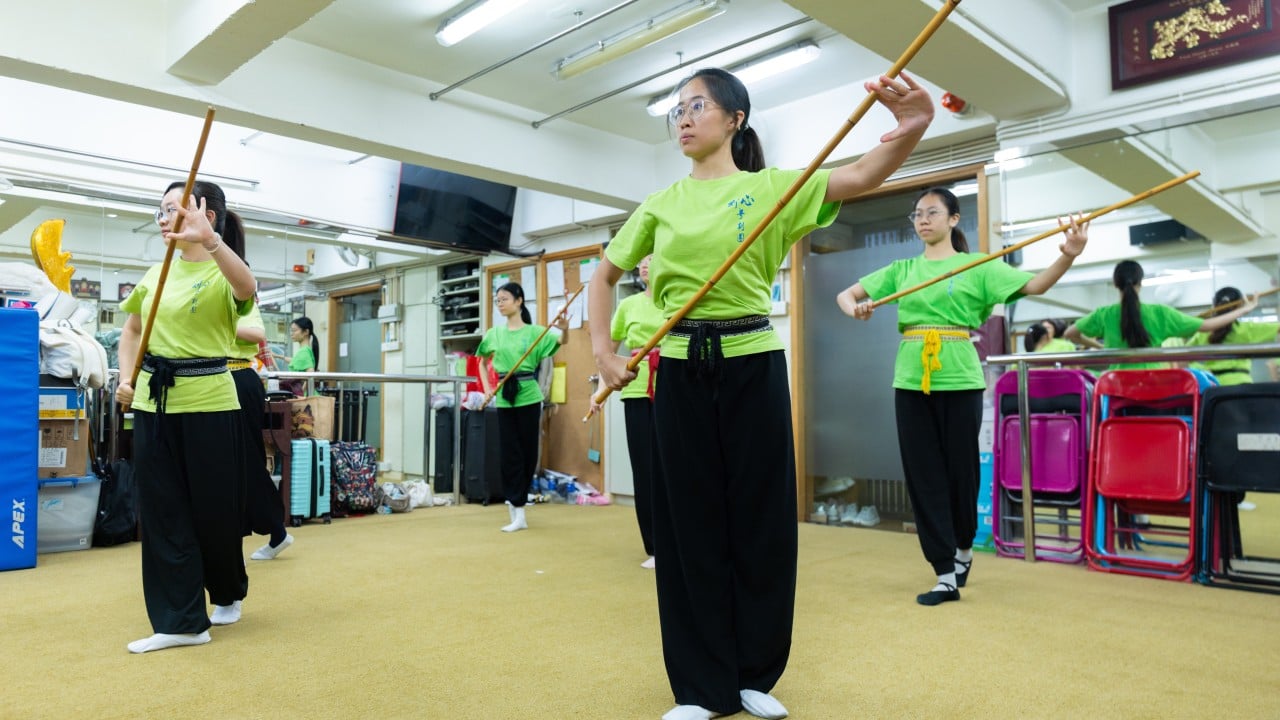
Awards ceremonies love a neat redemption arc. In October 2026, when Cantonese opera veteran Leung Sum-yee was named a finalist for the Spirit of Hong Kong Awards for her work leading the Kim Sum Cantonese Opera Troupe over more than three decades, the applause was real, well-earned, and ultimately incomplete. Keeping Cantonese opera alive in Hong Kong is not a story about one plucky teacher outsmarting TikTok. It is a grinding economic, architectural, and institutional battle where subsidies, real estate pressure, and aging audiences collide every single night.
Tributes to Cantonese opera veterans tend to treat survival as a triumph of willpower. Walk backstage at an actual rehearsal or look at a troupe's ledger, and the romance thins out fast. You have to pay a live orchestra, costume dressers, makeup artists, stage crew, and performers. A tiny room holding a hundred people rarely pays for that headcount. A massive theater sits half-empty unless ticket prices or public grants bridge the gap.
After thirty-plus years watching arts scenes rise and wither, I have learned to distrust feel-good profiles that stop at "she loves her craft." Love does not keep the lights on in a city where commercial land commands brutal rents. Love does not replace a neighborhood theater when the wrecking ball or a lease renewal forces it shut.
Why Tribute Stories Miss the Real Economics
Profile pieces on heritage keepers usually frame the struggle as tradition versus modernity. That framing is lazy. It lets policymakers and cultural institutions off the hook by turning a structural squeeze into a personal virtue.
Consider how the economics shifted over the last four decades. Cantonese opera once thrived as mass commercial entertainment, drawing big crowds and private backing before television, cinema, and shifting generational tastes pulled mainstream audiences elsewhere in the late twentieth century. Once ticket sales stopped carrying the weight on their own, the art form leaned harder on public funding and heritage status. UNESCO inscription in 2009 and government funds—such as the Cantonese Opera Development Fund set up in 2005—brought vital money and prestige.
Money, however, comes with strings and blind spots. Public grants often reward one-off projects, showcases, or formal hall runs rather than the messy, unglamorous daily upkeep of a working troupe. Meanwhile, veteran practitioners and older troupes carry overhead costs like storage and administration that hit harder than many newcomers realize.
Calling an art form "intangible cultural heritage" sounds like a shield. On a balance sheet, heritage does not pay rent.
There is also a quiet tension between preserving strict classical form and building a paying box office. Purists worry that watering down repertoire or pacing strips away what makes Cantonese opera distinct. Yet audiences and commentators frequently note how heavily modern programming leans on familiar mid-twentieth-century classics like Princess Chang Ping and The Purple Hairpin. Relying on a narrow set of crowd-pleasers keeps seats warm in the short term, but it can narrow curiosity over time if new stories and deeper repertoire get sidelined.
The Venue Squeeze Behind Every Curtain Call
You cannot talk honestly about keeping Cantonese opera alive in Hong Kong without talking about square footage. Opera is physically loud, spatially demanding, and logistically heavy. Musicians, props, costumes, and actors need room to move, tune, change, and breathe.
When landmark spaces like the Sunbeam Theatre closed in March 2025, it was not just a nostalgic loss for long-time patrons. It removed a familiar hub that anchored community habits and regular scheduling. Hong Kong has major flagship spaces, including the Xiqu Centre in the West Kowloon Cultural District alongside Ko Shan Theatre and the Yau Ma Tei Xiqu Activity Centre. Flagship venues matter, yet they cannot solve every scheduling pinch or neighborhood connection on their own.
Small halls often fail the math because fixed labor costs do not shrink proportionally when seating capacity drops. Large halls carry higher stakes and stricter programming rules. Even bamboo-shed and temple-related performances tied to folk festivals face shifting urban conditions, permitting rules, and rising production bills.
To see why venue policy is a make-or-break lever rather than a side detail, look at how different performance settings behave in practice:
| Performance Setting | Typical Strength | Primary Operational Bottleneck | Audience Dynamic |
|---|---|---|---|
| Major cultural venues (such as Xiqu Centre or Ko Shan Theatre) | Strong staging, acoustics, and institutional visibility | Competitive booking dates and formal production demands | Mix of dedicated patrons, tourists, and curated programs |
| Compact community or studio spaces | Close intimacy for training, workshops, and small showcases | Too small to cover full orchestra and troupe payroll via tickets | Students, learners, and small niche circles |
| Festival and temple-affiliated stages | Deep roots in local calendar and neighborhood life | Weather, site logistics, and evolving regulatory/venue limits | Multi-generational local residents and passersby |
Notice what happens when a city loses mid-sized, reliable workhorse stages. Young performers need stage hours—not just classroom drills—to build stamina, stage timing, and comfort in front of live crowds. Without regular nights on actual boards, talent pipelines clog even when enrollment or student interest ticks up.
Training Young Performers Without Turning Art Into Homework
Teaching young people Cantonese opera is brutal work. The physical training is unforgiving, the vocal technique takes years to develop without strain, and the literary references demand real study. A child who grew up on fast cuts and instant feedback does not walk into that discipline effortlessly.
Veterans like Leung Sum-yee have argued for shifting how success is measured—focusing less on churning out instant stars and more on helping young people actually hear and understand the craft. That is a sharp insight. Most students will not become lead performers. If they leave with genuine literacy in the music, gesture, and storytelling, they become informed future audiences rather than indifferent bystanders.
Still, there is a trap in youth outreach that nobody in a press release likes to admit. A school workshop or a once-a-year student matinee can create a brief spark, yet fizzle out six weeks later. Turning curiosity into commitment requires steady mentorship, affordable coaching, and clear pathways onto real stages.
Digital tools can help at the margins—close-ups of facial expression or archival recordings let learners study details they might miss from the back row. Screens cannot substitute for live acoustic balance or the physical heat of a room. Anyone who has sat in a live theater knows the difference between watching a clip on a phone and feeling percussion vibrate through your sternum.
What Regional Ties and Smarter Policy Can Actually Do
Some observers point across the border toward the Greater Bay Area as a way to widen audiences and pool talent. Moving productions and sharing expertise between Hong Kong, Guangdong, and Macao offers real scale and fresh exchange. At the same time, cross-border collaboration is no magic cure-all. Hong Kong's theatrical history, local dialect nuances, and performance rhythms carry their own distinct flavor, and troupes still have to solve local rehearsal, housing, and venue costs at home.
Public policy works best when it matches the actual mechanics of live theater rather than treating culture as a photo opportunity. Funding rules that recognize rehearsal time, talent mentorship, and multi-year troupe stability do far more good than scattered one-off grants. Venue planning that protects accessible rehearsal and mid-scale performance slots matters just as much as headline architecture.
If you care about keeping Cantonese opera vibrant rather than embalmed, skip the passive applause and buy a ticket to a full show—not just a gala snippet—so you experience the pacing, the orchestra, and the craft on its own terms.