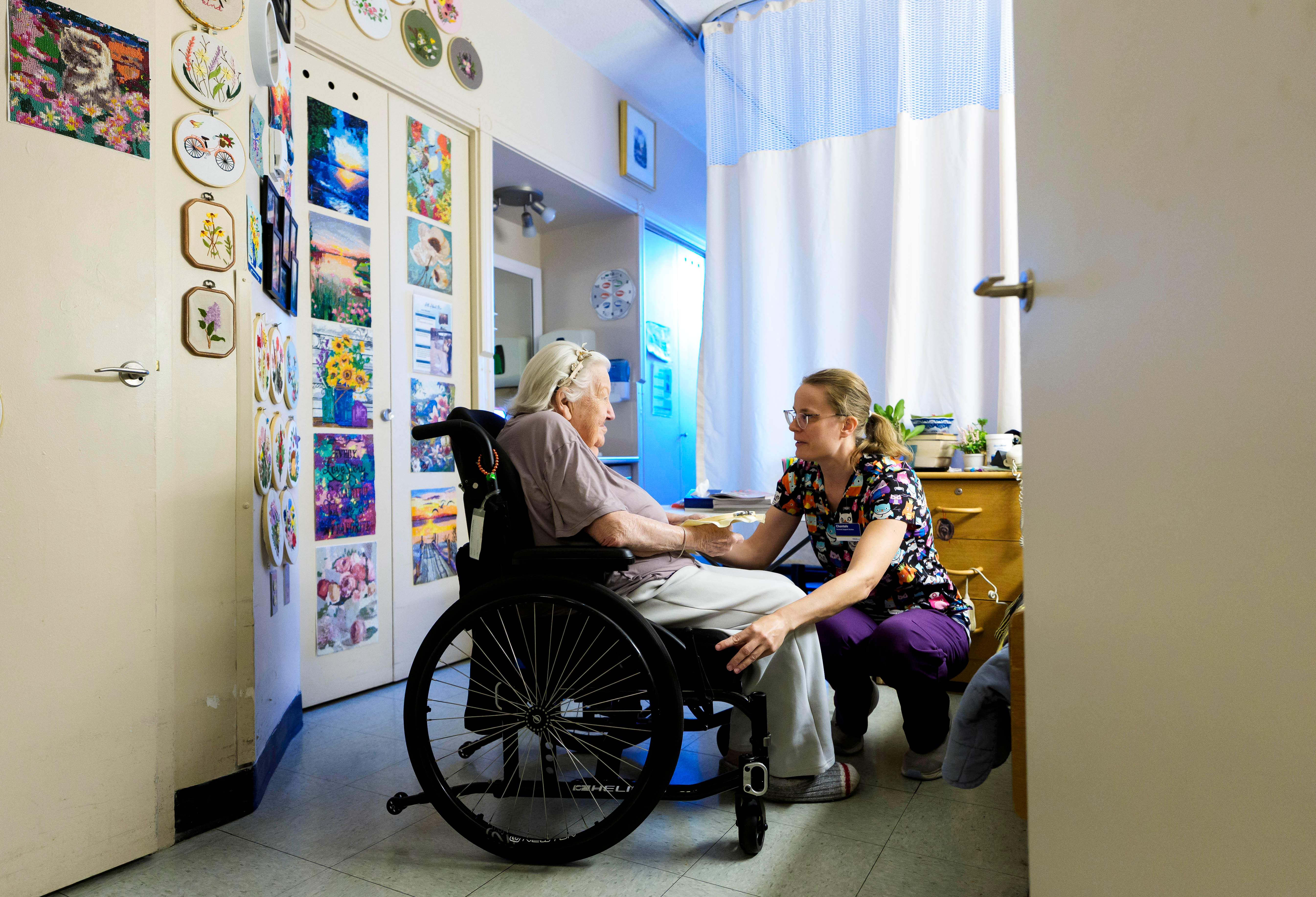
Millions of unpaid family caregivers across Canada are watching their retirement plans collapse because caring for aging or disabled relatives drains cash flow during peak earning years, stalls career progression, and leaves permanent holes in pension credits. A 2026 report from Edward Jones estimates that roughly 3.6 million Canadians—about seven in ten caregivers looking after adults aged 65 and older—are acting as financial caregivers. Among those caregivers, 44 percent stopped or reduced saving, and a quarter paused or cut contributions to retirement accounts.
Look closely at the numbers and the personal stories behind them, and a hard truth emerges. This is not simply a story about kind adult children paying for extra groceries or gas. It is a structural collision between an aging population, rising out-of-pocket medical and support expenses, and a retirement system built around uninterrupted, full-time paid work.
The Double Hit to Peak Earning Years
Caregiving rarely arrives on a neat schedule. Most often, it hits workers in their late thirties, forties, or fifties—precisely the decade or two when salaries climb fastest, employer pension matches compound, and RRSP or TFSA balances ought to gain serious traction.
When an aging parent develops dementia or a spouse faces a serious illness, time becomes scarce. Caregivers miss shifts, turn down travel-heavy promotions, cut back from full-time to part-time hours, or leave the workforce altogether. Even a temporary dip in income matters more than people realize. Missing a promotion at age 42 does not just cost one year of higher pay; it resets the baseline for future raises, bonuses, and employer retirement contributions for the rest of a working life.
Out-of-pocket bills compound the squeeze from the other side. When a care recipient cannot reimburse expenses, caregivers shoulder average annual costs north of $10,000 for uncovered medications, medical supplies, paid respite workers, home modifications, and travel to appointments. Money that would have gone into long-term investments gets spent keeping a household afloat today.
- Lost compounding: Every dollar pulled from savings or left uninvested in a caregiver's forties loses years of tax-sheltered growth before retirement ever starts.
- Career penalties: Stepping back for medical appointments or emergencies often leads to stalled advancement or involuntary job exits, shrinking lifetime earnings.
- Health trade-offs: Nearly half of caregivers surveyed in the Edward Jones research reported that their own health suffered as they trimmed spending on their own medical needs to stretch household budgets.
How Pension Rules Penalize Unpaid Care
Canada's retirement architecture relies heavily on earnings-linked pillars, especially the Canada Pension Plan (CPP) and Quebec Pension Plan (QPP). The math is straightforward. Lower lifetime pensionable earnings—or years of zero contributions—translate into smaller monthly cheques later in life.
Workers often assume the system automatically cushions every major life interruption. It does not. While CPP includes a child-rearing provision that can drop out or credit low-earning months spent caring for a young child under age seven, there is no equivalent dedicated drop-out rule built specifically around caring for an aging parent, an adult child with a disability, or an ill partner. General low-earnings drop-out rules help soften the blow for some contributors, yet they were not designed to offset years of intensive elder or disability care during midlife.
Consider a hypothetical example to see how the friction plays out. Suppose a 47-year-old warehouse supervisor in Ontario cuts back to part-time hours for four years to care for a parent with cognitive decline while paying thousands each year for private care support and uncovered supplies. Even if that supervisor eventually returns to full-time work, four years of reduced wages and paused retirement savings shrink both personal investment balances and future CPP accrual. Over two decades of retirement, a modest monthly shortfall adds up to tens of thousands of dollars.
| Cost Channel | How It Hurts Caregivers | Long-Term Retirement Impact |
|---|---|---|
| Direct out-of-pocket bills | Uninsured drugs, supplies, respite care, and travel | Drains cash flow that could build RRSP, TFSA, or emergency reserves |
| Reduced or paused work | Part-time hours, unpaid leave, or stepping out of the labour force | Lowers CPP/QPP contributions and forfeits employer matching |
| Stalled career trajectory | Passed-over promotions or lower re-entry pay | Permanently depresses lifetime earnings ceiling |
| Deferred self-care | Skipping personal medical or dental expenses to save money | Risks earlier health decline or forced early retirement |
Policy Shifts and Persistent Blind Spots
Ottawa has started moving, even if advocates say the relief still falls short of the full scale of the problem. In 2026, federal budget measures making the Canada caregiver credit refundable marked a notable step toward helping lower-income caregivers who do not owe enough income tax to benefit from a non-refundable credit.
That change matters because caregiving often hits households that already have tight margins. Still, a modest tax credit does not replace a lost salary, nor does it erase a decade of missed retirement contributions. Awareness is another bottleneck; advocacy groups have long warned that many caregivers either do not know what tax credits or benefits exist or feel too overwhelmed by daily crises to navigate complex paperwork.
There is also an uncomfortable family dynamic at play. Caregiving rarely spreads evenly across siblings or extended relatives. One person—disproportionately a woman—often absorbs the lion's share of hands-on care and financial outlay, while others stay further removed. Calling that imbalance out isn't easy, especially when emotions run high around illness and aging, yet silence leaves one family member carrying the entire retirement penalty alone.
Practical Ways to Protect Your Future While Caring
No checklist can magically restore lost wages or turn back the clock on compounding. Anyone stepping into a caregiving role needs realistic moves that protect their own baseline without pretending the system is already fair.
Start with hard numbers rather than vague worry. Track every caregiving expense separately from routine household bills so you know what is actually leaving your bank account each month, and check whether the care recipient has untapped assets, benefits, or reimbursement capacity. If you have workplace benefits, review leave policies, flexible scheduling, and employee assistance programs before giving up your job outright.
Next, talk openly with siblings or other relatives about dividing both tasks and financial costs—ideally before a crisis peaks, and with the care recipient's wishes clearly documented. Even small, consistent retirement contributions—keeping an automatic transfer running, even at a lower amount during rough stretches—protect the habit and preserve some compounding. Finally, when you eventually apply for CPP or QPP, review your full earnings record and check every applicable drop-out or credit rule carefully. A caregiver should never have to subsidize public and family care gaps by sacrificing their own security in old age.