The video is less than a minute long, yet it captures an entire geopolitical fracture point. On a packed stretch of sand at El Trampolin beach in the Spanish North African enclave of Ceuta, a group of men lift a small bottlenose dolphin calf above their heads like a spoils-of-war trophy. High-visibility vests worn by local officials flash urgently in the frame. Shouts cut through the ocean spray. Within hours, the footage migrated across digital platforms, morphing into a weaponized political asset that bypassed standard news cycles and went straight to the raw nerve of Europe's immigration debate.
According to local reports and environmental groups, the marine mammal was dragged ashore before being struck in the head with a stick, sustaining fatal injuries. Activists mobilized petitions. Law enforcement received formal complaints. Social media commentators demanded immediate deportations. Yet, isolating this single act of cruelty as an anomalous behavioral breakdown misses the pressure cooker that Ceuta has become. This incident did not happen in a vacuum. It happened on a tiny strip of Spanish territory that has absorbed an unprecedented human wave, transforming ordinary municipal beaches into makeshift encampments where social collapse is enacted daily.
The Pressure Cooker of Ceuta
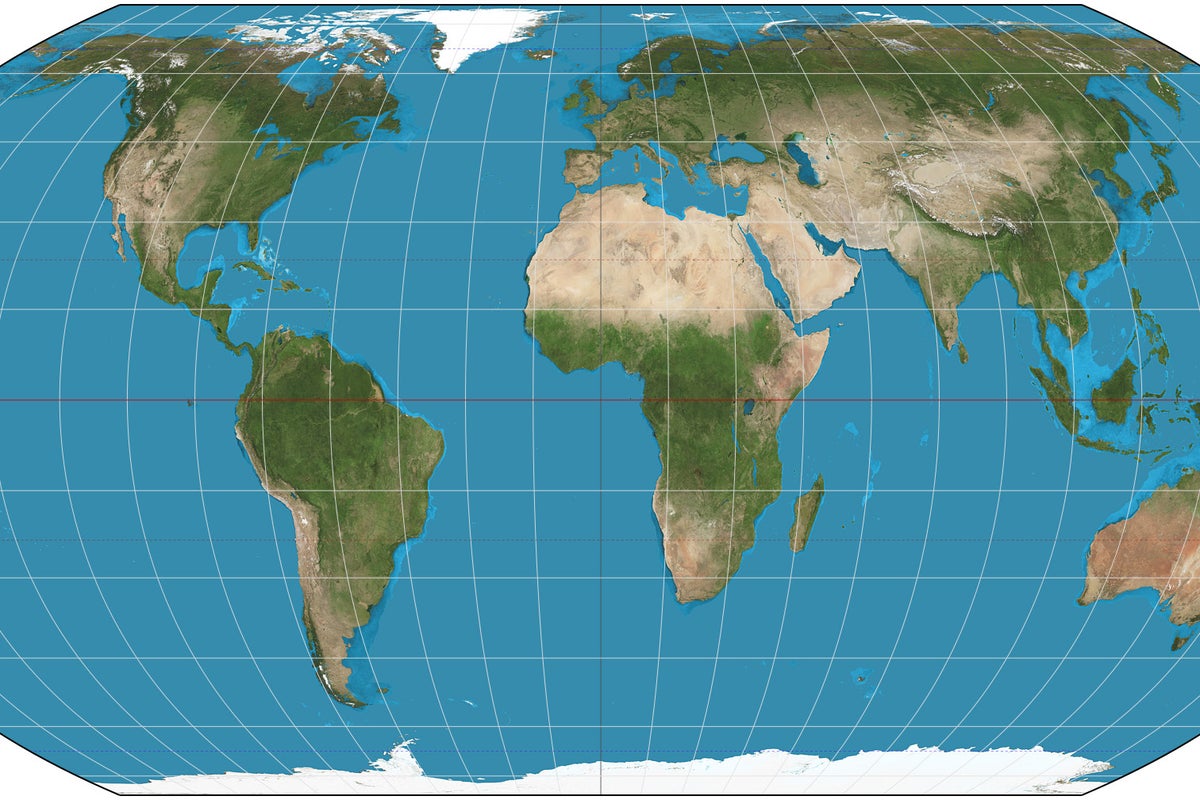
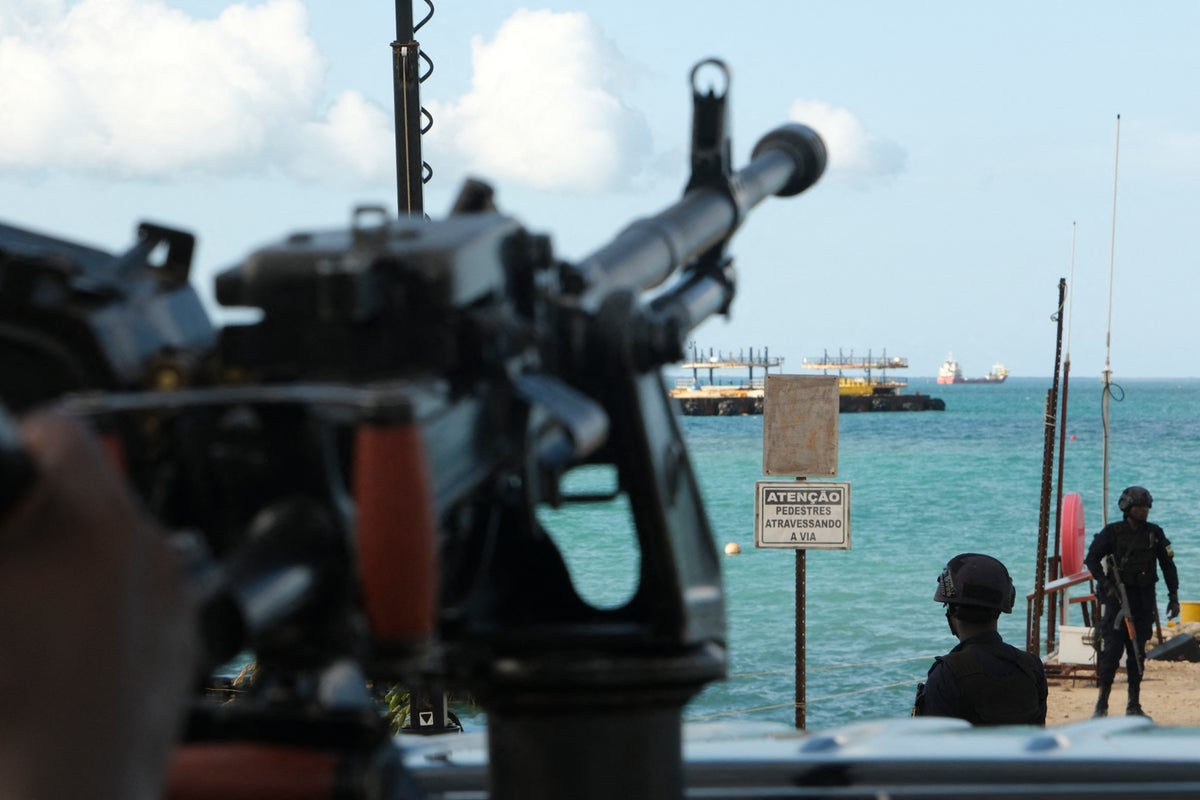
To understand how a beach encounter with a wild animal turns into a violent spectacle, look at the arithmetic of the border. Ceuta spans just seven square miles, pinned against Morocco and the Mediterranean. In late July, an extraordinary influx sent roughly seventy-two thousand people across the border in a matter of weeks. Thousands remain trapped in a geographical bottleneck. They live in makeshift shelters, crowd onto public sidewalks, and spill directly onto coastal areas like El Trampolin.
Municipal infrastructure has buckled completely. Sanitation systems are overwhelmed, disease outbreaks loom, and local police forces are stretched to their absolute limits attempting to police an unmanageable population. Residents who have lived quiet coastal lives find their neighborhoods transformed overnight. Tempers are short. Trust is nonexistent. When thousands of displaced men, many of them young and idle, occupy the same shrinking shorelines as local residents already marching in the streets demanding mass deportations, every mundane interaction carries the potential for combustion.
The dolphin incident became a match thrown into an open gasoline barrel. When local environmental association DAUBMA filed its formal complaint, it addressed the immediate legal infraction under Spanish animal protection laws. But the public reaction bypassed jurisprudence entirely. The clip fed neatly into existing narratives of cultural friction, reinforcing a bitter local consensus that social order in the enclave has dissolved.
The Mechanics of Viral Outrage
Digital outrage ecosystems thrive on compressed context. A thirty-second clip of men lifting a marine mammal lacks the backstory of systemic exhaustion, structural neglect, and mutual dehumanization that defines daily life in Ceuta's migrant camps.
Onlookers and bloggers rushed to the scene. Arguments erupted over whether the animal had already washed ashore dead—a common defense offered when crowds encounter stranded marine life—or whether it was actively hunted in the shallows. That distinction, crucial for any objective investigation, was swallowed by the immediate rush to judgment online. Algorithms do not reward nuance. They reward polarization.
Footage of the dead calf was quickly braided into broader anti-immigrant demonstrations that had already seen locals tearing down makeshift migrant tents and chanting slogans demanding the removal of outsiders. The animal cruelty aspect, undeniably severe under European statutes, functioned as a proxy war for a much larger, unresolved policy failure. When the state fails to manage a border effectively, civil society frays at the edges. Small tragedies on public beaches become symbolic battlegrounds for an entire continent's failure to address mass migration logistics.
Local authorities now face an investigation that extends far beyond a beach in North Africa. Identifying the individuals involved in the dolphin's death satisfies the letter of criminal law, but it leaves the wider structural wound wide open. As long as thousands of displaced people remain crowded into precarious limbo on Europe's southern frontier, the friction between local survival and migrant desperation will continue to yield ugly, viral flashpoints. The dolphin did not die because of a sudden, inexplicable surge of localized malice. It died at the intersection of a humanitarian crisis, an abandoned border policy, and a society at war with itself.