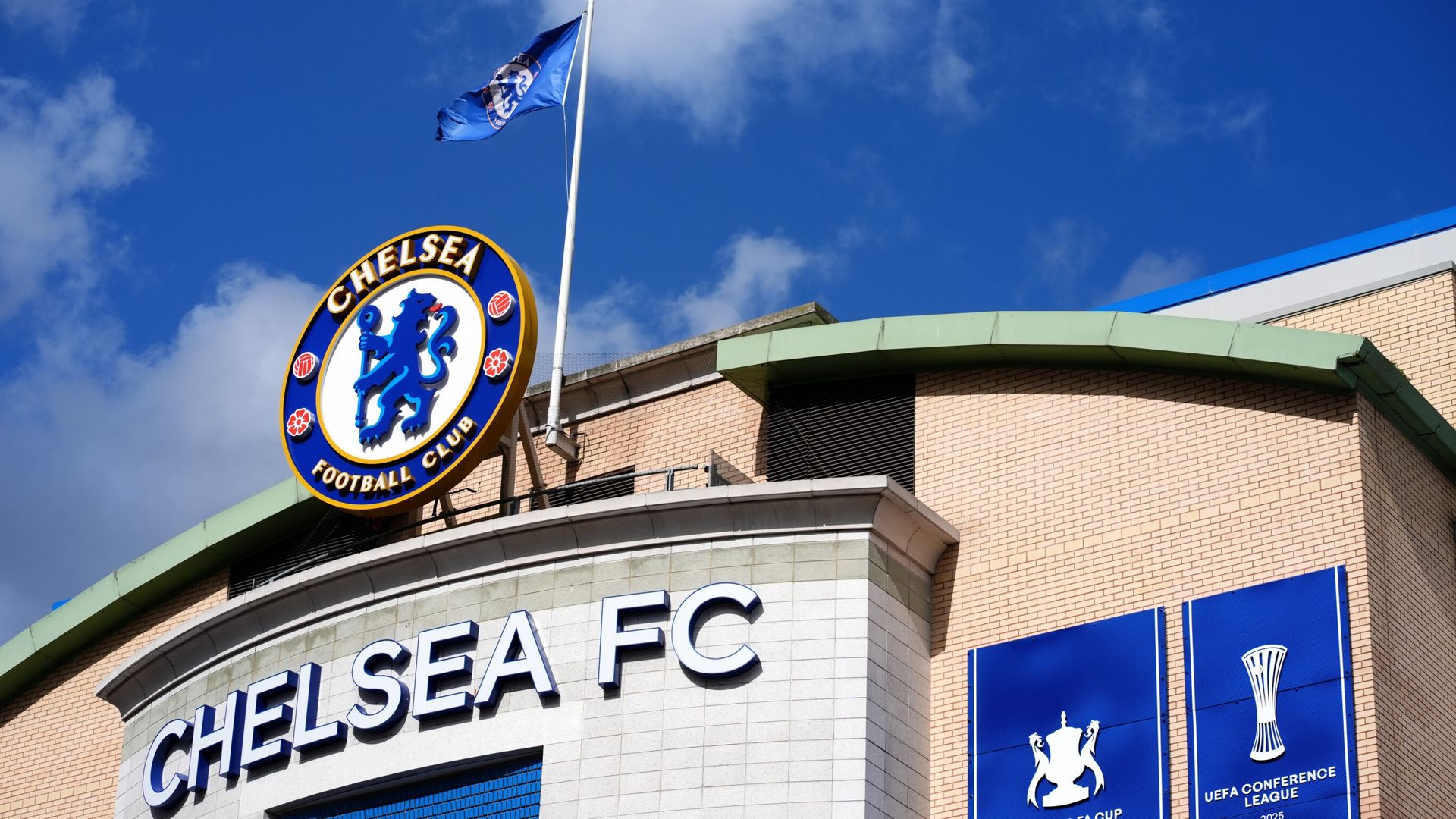
Chelsea Football Club has been hit with a 10 million pound fine and a suspended two-window transfer ban by the Football Association, concluding a multi-year reckoning over 74 separate rule breaches. These violations stem from hidden payments made to agents and third parties between 2011 and 2018, during the height of the Roman Abramovich era. When Todd Boehly and Clearlake Capital acquired the club in May 2022, routine due diligence uncovered an extensive paper trail of clandestine transactions. Rather than burying the findings, the new ownership group chose self-reporting, setting off an unprecedented regulatory domino effect across domestic and European bodies.
The price of transparency has been steep. Across settlements with UEFA, the Premier League, and now the FA, the total bill climbs to nearly 30 million pounds in penalties. Yet the financial cost is merely a symptom of a deeper, systemic rot within modern football administration. The scandal pulls back the curtain on how elite clubs routinely circumvent regulations, treating oversight bodies as little more than a cost of doing business.
The Anatomy of the Concealment
The 74 breaches mapped out by the FA reveal an intricate architecture of evasion. Between 2011 and 2018, transactions involving high-profile acquisitions—including marquee deals for players such as Eden Hazard, Willian, and Samuel Eto'o—featured side payments funneled through unauthorized intermediaries.
Regulatory frameworks exist to maintain transparency and ensure that money entering the ecosystem is properly accounted for and taxed. By utilizing off-the-books channels, the club bypassed strict caps, reporting requirements, and licensing mandates. The independent appeal board noted in its written reasons that the administration of that period "plainly disregarded" established governance.
Money moved quietly. Paperwork submitted to governing bodies failed to reflect the true financial scale of player acquisition costs. In an industry where liquidity dictates success, masking these transactions allowed the club to secure elite talent while maintaining an artificial facade of financial compliance.
The Strategic Choice of Self-Reporting
Why would a new ownership group voluntarily detonate a bomb under their own institution? The answer lies in risk mitigation and the shifting winds of sports governance.
When Boehly and Clearlake purchased Chelsea for 2.5 billion pounds, they inherited a ticking legal time bomb. Discovering millions in undocumented liabilities meant they faced two choices. They could conceal the findings and risk catastrophic, unmitigated sanctions if whistleblowers or independent audits exposed the discrepancies later, or they could hand the evidence directly to the authorities.
Self-reporting is the ultimate legal insurance policy. It transformed Chelsea from active conspirators into cooperative witnesses in the eyes of regulators. This proactive disclosure halved what would have been a 20 million pound fine down to 10 million pounds and proved crucial in convincing an independent appeal board to discard a suspended six-point deduction, replacing it instead with a suspended transfer ban.
The new custodians protected the club's immediate competitive future by sacrificing the reputation of the previous regime. It was a cold, calculated business decision.
The Illusion of Regulatory Control
The fallout raises uncomfortable questions about the competence of football's governing bodies. Where were the FA and the Premier League while 74 separate infractions piled up over a seven-year span?
Financial fair play rules and intermediary regulations are frequently touted as robust safeguards. Yet, this case demonstrates that external regulators are largely toothless without internal whistleblowers or a change in ownership. If a club actively obfuscates its paper trail and submits falsified documents, traditional auditing processes routinely fail to catch the discrepancy.
Football governance operates on an honor system backed by weak deterrents. A 10 million pound fine for an organization backed by multi-billion-dollar investment funds is a manageable expense, not an existential threat. The suspended transfer ban carries teeth only if triggered by subsequent infractions before mid-2027. Until then, it remains a paper tiger.
The Broader Industry Reality
Chelsea is not an isolated anomaly. They are simply the first to be caught with their ledger fully exposed under modern scrutiny.
The reliance on intermediaries is the lifeblood of the modern transfer market. Agents wield immense power, often acting as kingmakers who demand creative compensation structures to push deals across the finish line. When clubs compete globally for elite assets, the temptation to utilize secret side channels to satisfy agent demands becomes overwhelming.
As regulatory bodies face mounting pressure to police financial doping and multi-club ownership models, the net is tightening. Other elite institutions are undoubtedly reviewing their own historical ledgers with mounting dread. Chelsea's 30 million pound total payout across three separate regulatory settlements serves as a warning shot to the rest of the footballing elite.
The Abramovich era built its glittering trophy cabinet on immense financial muscle and a willingness to push boundaries to the absolute limit. Now, the bill has finally arrived, exposing the hidden machinery behind an unprecedented era of success and forever altering how clubs view the hidden costs of doing business at the summit of European sport


