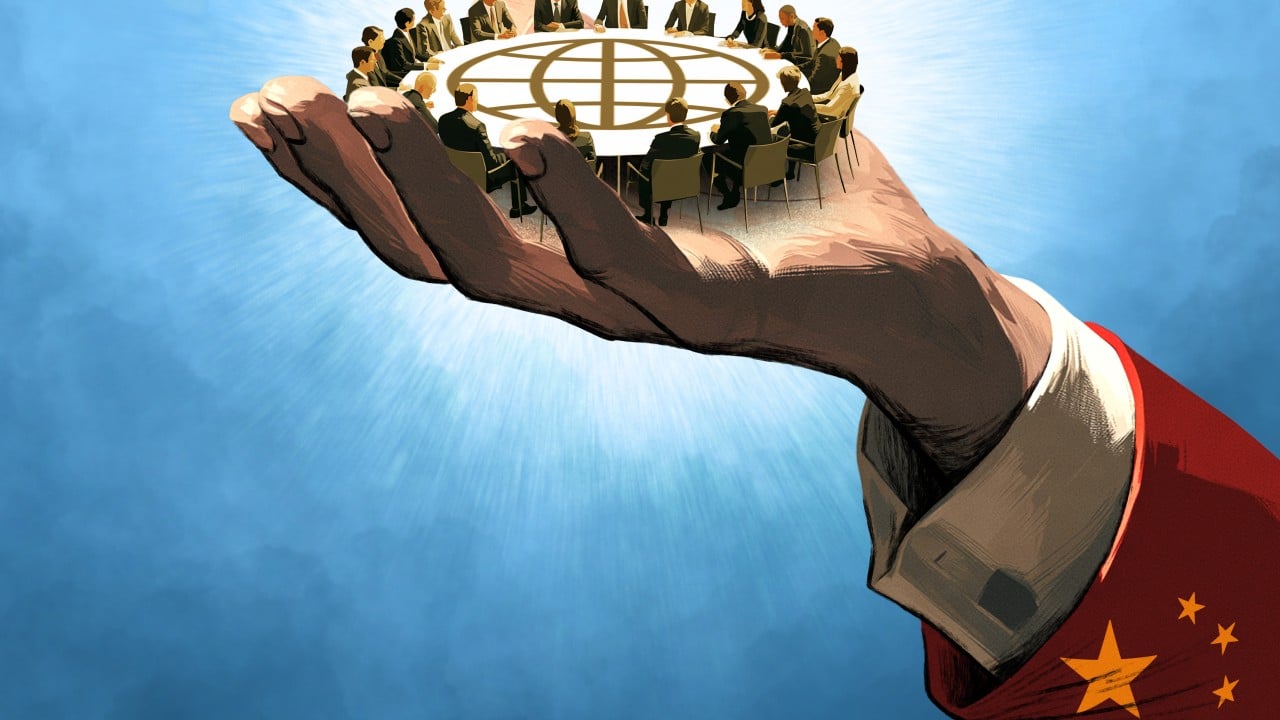
Beijing spent twelve months and roughly 300 preparatory events staging the 2026 Asia-Pacific Economic Cooperation gathering in Shenzhen to prove it sits at the center of global power. By hosting 21 Pacific Rim economies—and orchestrating a historic November 19 trilateral meeting between Xi Jinping, Donald Trump, and Vladimir Putin inside Kylin Villa—China executed a textbook display of home-court diplomacy. Yet beneath the gleaming drone shows and choreographed handshakes lies a sobering reality. Hosting a summit does not erase structural trade friction, and Shenzhen’s stagecraft could not disguise the impending January 2027 expiration of the U.S.-China tariff truce.
The Stagecraft of a Fishing Village Turned Superpower
Venue selection in international relations is rarely accidental. When China previously hosted APEC in 2001 and 2014, it chose Shanghai and Beijing—cities projecting financial scale and imperial permanence. Selecting Shenzhen for November 2026 sent an entirely different signal.
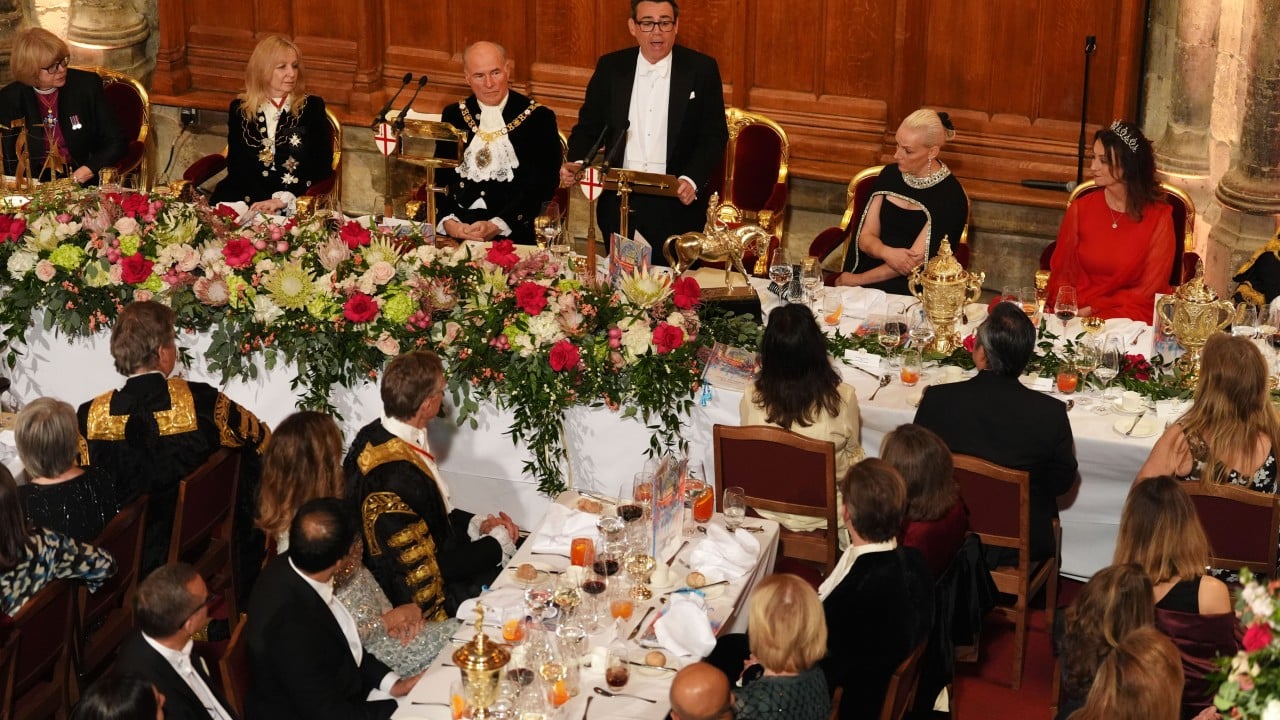
At the welcome banquet, Xi explicitly contrasted Shenzhen’s post-1978 transformation from a modest border town with China’s ancient capitals. The message to visiting leaders was unmistakable. China no longer wants to be viewed merely as an ancient civilization or the world's low-cost factory floor. It wants recognition as the primary architect of next-generation industrial supply chains, artificial intelligence governance, and green technology.
The physical environment did half the diplomatic heavy lifting. Delegates arrived in a metropolis engineered to showcase state-backed technological speed. Autonomous transit corridors, automated port logistics, and rapid customs clearance systems served as live-action proof of concept for the Guangdong-Hong Kong-Macao Greater Bay Area. Visiting prime ministers and corporate executives from the APEC Business Advisory Council did not just hear speeches about digital trade facilitation; they rode through a municipal testbed designed to make Western infrastructure look sluggish by comparison.
"The choices that built this city will lift this whole region," Canadian Prime Minister Mark Carney remarked during the proceedings, capturing the exact narrative Beijing spent a year cultivating.
Other regional leaders echoed similar notes. Thai Prime Minister Anutin Charnvirakul framed Shenzhen as proof of what happens when an economy opens itself up. Australian Prime Minister Anthony Albanese recalled his first visit to the city in 1998, marveling that it barely resembled the same place. For Beijing’s foreign ministry, these unscripted endorsements from U.S. allies were pure gold. They validated China's development model at a moment when domestic property slumps and youth unemployment have battered Beijing's economic reputation at home.
Weaponizing the Agenda Through Three Words
Controlling the host chair means controlling the vocabulary. Throughout the 2026 APEC cycle—spanning senior officials' meetings in Guangzhou, Shanghai, and Dalian, alongside ministerial gatherings in Suzhou, Hangzhou, and Hong Kong—Chinese diplomats locked the forum onto three deceptively benign words: openness, innovation, and cooperation.
In diplomatic shorthand, each word functioned as a direct counter-punch to Washington's trade policy.
- Openness served as a rhetorical cudgel against American tariffs, export controls, and friend-shoring mandates. When Xi addressed the CEO Summit on November 18, calling for the elimination of trade barriers and renewed deference to the World Trade Organization, he positioned China as the lone defender of free-market orthodoxy. Malaysian Prime Minister Anwar Ibrahim reinforced the point, taking a thinly veiled swipe at Washington by noting that nations cannot claim to champion trade while restricting investment solely to their own borders.
- Innovation targeted the semiconductor and artificial intelligence choke points imposed by the United States and its partners. By anchoring the summit around the APEC Trade Digitalization Cooperation Framework (2027-2030), Beijing sought to establish regional technical standards for paperless trade and cross-border e-commerce before Washington could wall off Asian supply chains.
- Cooperation provided the umbrella for reviving the Free Trade Area of the Asia-Pacific (FTAAP), an expansive trade vision that conveniently excludes American protectionist frameworks while binding Southeast Asian and Latin American economies closer to Chinese manufacturing networks.
The beauty of APEC for a host nation lies in its institutional DNA. Unlike the World Trade Organization or binding bilateral treaties, APEC operates on voluntary, non-binding consensus. Nobody is forced to sign a legally enforceable commitment. That structural looseness allows Beijing to extract broad rhetorical agreement on supply chain connectivity and green transitions without making painful domestic concessions on industrial subsidies or market access.
The Kylin Villa Pivot and the Great-Power Triangle
If the main APEC plenary was a carefully scripted trade show, the real geopolitical earthquake happened behind closed doors on November 19.
Inside the guarded grounds of Kylin Villa, Xi sat at a single table with Donald Trump and Vladimir Putin. It was the first face-to-face trilateral summit among the leaders of the world's three foremost nuclear and military powers. Analysts immediately drew comparisons to the Cold War strategic triangles of the 1970s, with one crucial difference. Half a century ago, Washington held the pivot position between Moscow and Beijing. In Shenzhen, Xi sat squarely in the middle.
Each leader walked into Kylin Villa carrying distinct political baggage and seeking immediate optics:
- Vladimir Putin arrived under the shadow of an active International Criminal Court arrest warrant and years of Western isolation. Standing shoulder to shoulder with the American president in a gleaming Asian tech capital shattered the narrative of Russia as a diplomatic pariah. Putin used his Shenzhen platform to pitch Russia as a vital Eurasian logistics hub and investment destination while declaring Europe to be in decline.
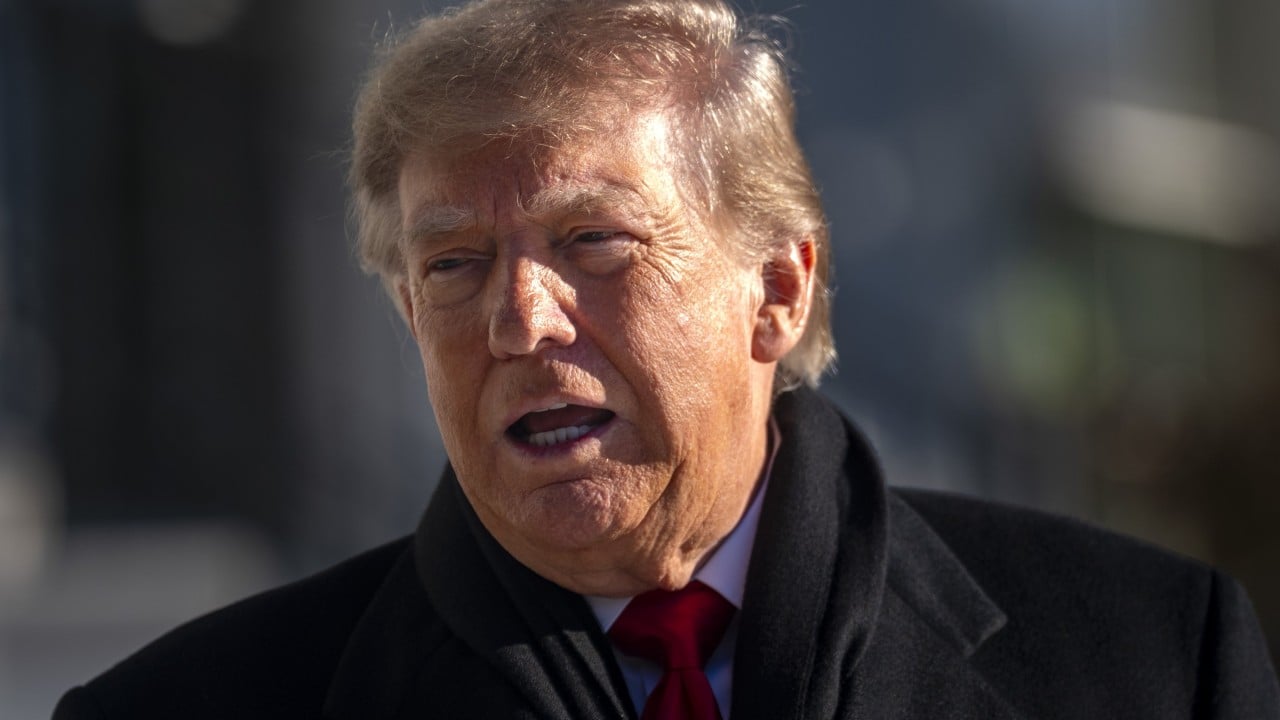
- Donald Trump entered the room bruised from domestic Democratic gains in the November midterm elections and bogged down by a costly conflict involving Iran. A high-stakes, leader-to-leader spectacle allowed him to bypass multilateral alliances, call Putin a friend on the world stage, and project personal dealmaking power.
- Xi Jinping reaped the ultimate diplomatic dividend simply by playing host. By convening the meeting on Chinese soil, Xi demonstrated that global crises—from the war in Ukraine to nuclear risk reduction—cannot be managed without Beijing sitting at the head of the table.
The trio emerged with a four-point peace declaration, notably reaffirming that a nuclear war cannot be won and pledging dialogue on non-proliferation following the collapse of earlier bilateral arms-control treaties. On paper, it looked like a triumph of Chinese mediation.
In practice, it was a masterclass in diplomatic theater masking deep strategic gridlock.
Where the Home-Court Advantage Hits a Hard Wall
Veteran observers of Asian geopolitics know better than to confuse summit atmosphere with structural alignment. Home-court diplomacy can soften tone, delay confrontation, and generate flattering headlines, yet it cannot alter hard economic math.
Look closely at the mechanics beneath the Shenzhen Leaders' Declaration, and three glaring vulnerabilities emerge.
First, the U.S.-China trade truce remains on life support. Viral footage of Trump reaching toward Xi's hand on a Shenzhen escalator dominated social media feeds, creating an illusion of warm stabilization. Behind the cameras, however, the temporary tariff truce originally struck in October 2025—and extended by just two months in September 2026—is set to expire on January 10, 2027. Washington negotiators spent the sidelines of the summit complaining that Beijing has delivered only two-thirds of the rare earth mineral exports it promised ahead of the December G20 gathering. A friendly escalator ride will not stop punitive tariffs from snapping back in January if rare earth shipments stall.
Second, the Kylin Villa declaration lacked enforcement teeth. European policy analysts quickly warned that the three leaders issued a vague statement toward peace and went home without settling a single core dispute over Ukraine, Taiwan, Iran, or verifiable nuclear limits. Beijing has historically refused formal arms-control negotiations because its nuclear arsenal remains smaller than those of Washington and Moscow. Agreeing to talk about nuclear risk costs China nothing while relieving international pressure on its rapid silo expansion.
Third, regional neighbors remain deeply hedged. While Southeast Asian and Pacific leaders gladly praised Shenzhen's urban planning and signed onto non-binding digital trade frameworks, none are rushing to abandon their security ties with Washington. Countries like South Korea, Japan, Australia, and the Philippines understand the rules of APEC etiquette. You praise the host's hospitality, applaud the infrastructure, sign the consensus communiqué, and then quietly diversify your semiconductor and defense supply chains the moment your plane leaves Guangdong airspace.
The Limits of Choreographed Consensus
China played its Shenzhen hand with undeniable skill. By turning a sprawling southern tech metropolis into a physical argument for state-directed capitalism, Beijing reminded the Asia-Pacific region of its economic gravity. It gave Putin a lifeline out of diplomatic isolation, handed Trump a high-visibility stage, and positioned Xi as the indispensable convener of global politics.
Yet diplomacy built on spectacle carries a short shelf life. As delegates packed their bags and the drone formations powered down over Shenzhen Bay, the underlying friction between Washington and Beijing remained untouched. The real verdict on China's home-court gamble will not be written in the polite prose of the Shenzhen Outlook declaration, but in the customs ledgers and rare earth shipping manifests when the tariff clock strikes midnight on January 10.