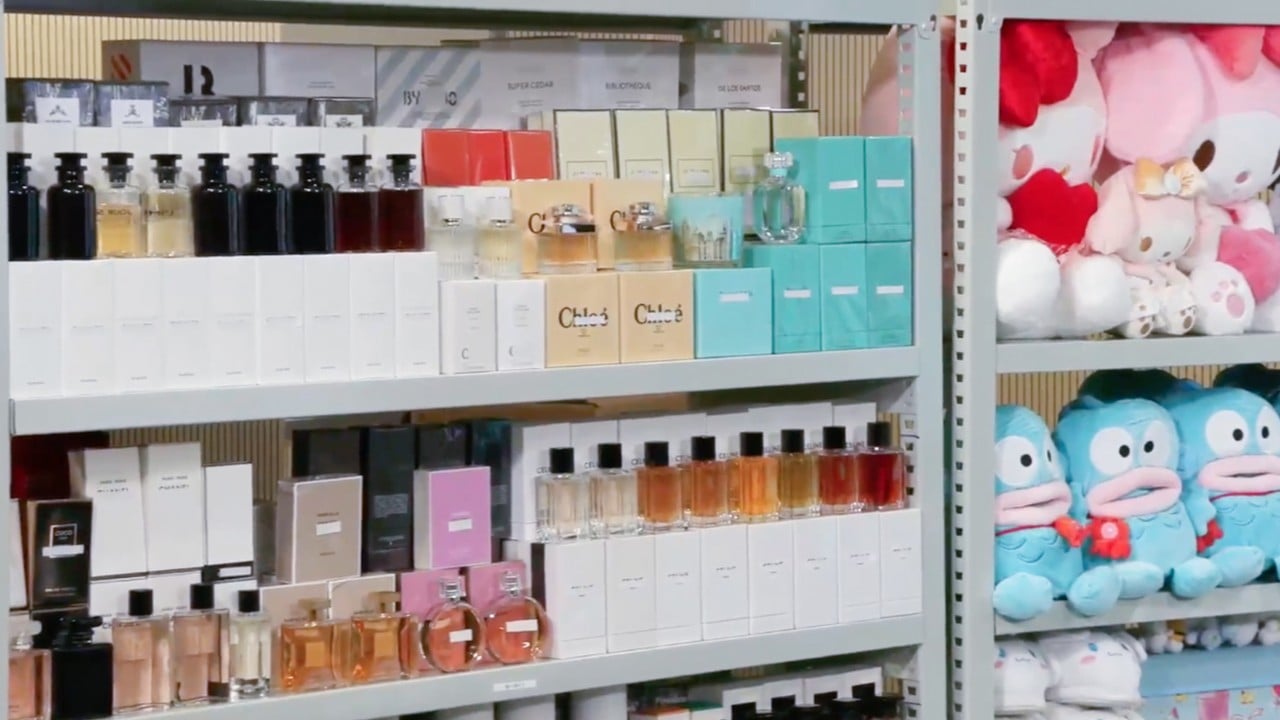
When police arrested a 61-year-old man over a counterfeit Chanel and Dior perfume operation allegedly orchestrated by his own son, local headlines treated it as a tidy family crime blotter. They missed the real story. Behind every single street-level arrest involving fake designer fragrances lies a sophisticated, multi-tiered global supply chain that exploits consumer psychology, lax e-commerce oversight, and the razor-thin physical differences between an authentic luxury bottle and a dangerous chemical knockoff.
The arrest itself follows a classic operational blueprint used by organized counterfeit rings worldwide. Older relatives, retirees, or financially vulnerable individuals are routinely recruited—or pressured—to serve as the physical warehouse managers, payment processors, and local distributors. Meanwhile, the actual architects of the scheme remain insulated behind encrypted messaging apps, burner accounts, and overseas wholesale brokers. Catching the 61-year-old mule stops a few hundred bottles from hitting the street this week, yet it barely registers as a rounding error for the broader illicit fragrance trade.
The Anatomy of a Family-Run Counterfeit Front
Law enforcement agencies tracking intellectual property theft have watched a distinct shift in how counterfeit luxury goods move from port to consumer. Decades ago, fake Chanel No. 5 or Dior Sauvage meant obvious plastic caps, misspelled labels, and liquid sold out of car trunks at weekend flea markets. Today, the operation is decentralized, hyper-local, and heavily reliant on domestic drop-shippers.
In a typical family-linked syndicate, the younger orchestrator handles the digital storefront. They source bulk shipments of replica bottles from overseas manufacturing hubs, manage social media ads promising "tester bottles" or "liquidation stock," and collect payments through peer-to-peer apps or disposable merchant accounts. Because shipping hundreds of heavy glass bottles directly from an overseas factory to individual buyers invites immediate customs seizure, the syndicate needs a domestic staging ground.
That is where an older family member enters the picture. A residential garage, a spare bedroom, or a rented storage unit under a clean name provides the low-profile fulfillment center the operation needs to survive. The 61-year-old suspect becomes the person taping up cardboard boxes, printing domestic shipping labels, and holding the physical inventory when a raid finally happens.
Prosecutors often face an uphill battle untangling culpability in these arrangements. Defense attorneys routinely argue that the older relative was an unwitting participant, simply storing boxes or running errands for a son they trusted without inspecting the batch codes on every bottle of eau de parfum. Even when investigators prove knowledge of the scheme, the penalty falls hardest on the physical custodian, while the digital mastermind wipes a server and recruits a new distributor within forty-eight hours.
Why Luxury Fragrances Are the Ultimate Counterfeit Target
To understand why criminals gravitate toward Chanel, Dior, Tom Ford, and Creed, you have to look at the economics of the legitimate fragrance industry. High-end perfumery operates on some of the widest profit margins in retail. A bottle retailing for $180 at a department store counter often contains less than $5 worth of actual juice, packaging, and glass. Consumers are paying for brand heritage, massive marketing budgets, and the emotional prestige of the label.
Counterfeiters look at that exact same equation and see pure upside. Unlike counterfeiting a complex smartphone or a mechanical luxury watch, replicating a perfume bottle requires relatively low technical overhead.
- Packaging Replication: Modern commercial printers can reproduce the exact weight, matte finish, and embossed lettering of a Dior box down to the microscopic texture of the cardboard.
- Glass and Atomizers: Unscrupulous glassworks factories manufacture identical heavy-bottomed flacons, magnetic caps, and pressurized sprayers for pennies per unit.
- The Scent Illusion: A skilled chemical blender does not need to recreate the full sixty-ingredient olfactory pyramid of an authentic fragrance. They only need to mimic the top notes—the initial burst of citrus, bergamot, or vanilla that hits a buyer's nose during the first ten minutes after spraying.
By the time the fake scent evaporates completely or turns sour on the skin two hours later, the online seller has already closed the listing, pocketed the cash, and moved on to a new buyer.
The Toxic Reality Inside the Bottle
Most casual buyers assume that purchasing a fake designer perfume is a victimless crime—a harmless shortcut to smelling expensive without paying department store prices. That assumption ignores basic chemistry. Legitimate fragrance houses adhere to strict standards set by the International Fragrance Association (IFRA), which bans or restricts hundreds of raw materials known to cause severe skin sensitization, hormone disruption, or respiratory distress.
Underground counterfeit labs operate with zero regulatory oversight and a singular focus on cutting costs. When lab technicians test seized counterfeit Chanel and Dior bottles, they rarely find harmless diluted water. Instead, forensic analysis consistently uncovers a cocktail of cheap industrial solvents and hazardous contaminants.
What Forensic Labs Actually Find
| Substance / Contaminant | Purpose in Counterfeit Production | Documented Health Risks |
|---|---|---|
| Methanol & Industrial Alcohol | Replaces expensive cosmetic-grade denatured ethanol as the carrier base. | Severe contact dermatitis, chemical burns, respiratory irritation, and ocular toxicity. |
| Diethyl Phthalate (DEP) | Used in excessive, unregulated amounts to artificially slow evaporation. | Endocrine disruption, reproductive toxicity, and prolonged skin inflammation. |
| Heavy Metals (Lead, Arsenic) | Leached from cheap, non-cosmetic glass bottles and unregulated synthetic dyes. | Systemic toxicity with repeated daily application to pulse points. |
| Bacterial Contaminants | Introduced through unsterilized tap water used to dilute fragrance oils. | Staph infections, severe allergic rashes, and localized skin lesions. |
Consider a hypothetical scenario where a consumer buys a discounted bottle of counterfeit Dior Sauvage from a third-party marketplace seller. The buyer sprays it directly onto their neck—where the skin is thin and vascular—every morning before work. Within days, a red, blistering rash develops. Because the bottle lacks authentic batch tracking and ingredient disclosures, dermatologists cannot immediately identify which industrial solvent triggered the reaction, leaving the consumer with permanent hyperpigmentation or chronic contact allergies.
How the Gray Market Masks the Black Market
If counterfeit perfumes are dangerous and illegal, why do millions of consumers continue to buy them? The answer lies in the deliberate blurring of lines between the gray market and the black market.
The gray market is completely legal. It consists of genuine, factory-sealed perfumes diverted from authorized distribution channels—such as overstock from international duty-free shops, regional distributors clearing seasonal inventory, or bankrupt department stores liquidating stock. Legitimate discount fragrance websites buy these authentic goods in bulk and sell them to consumers at 20% to 40% below retail price.
Counterfeiters exploit consumer awareness of the gray market as their primary sales pitch. When an illicit ring posts fake Chanel bottles on social media marketplaces, classified ads, or third-party e-commerce platforms, they never advertise them as replicas. They use the exact vocabulary of the gray market.
- "Tester Bottles": Counterfeiters print plain white or brown corrugated boxes stamped with "Demonstration - Not For Resale" because buyers believe testers are authentic factory surplus sold cheap.
- "Duty-Free Overstock": Sellers claim the bottles fell off the back of an international airport supply chain, explaining away missing cellophane or slightly altered regional labeling.
- "Unboxed Stock": By selling loose bottles without outer cartons, criminals eliminate the hardest part of the counterfeit to get right—the serialized cellophane wrapping and embossed cardboard—while claiming the boxes were damaged in transit.
Even seasoned fragrance collectors struggle to spot high-tier fakes online because the photos used in the listings are almost always stolen from legitimate retailers or authentic collectors. The bait-and-switch happens only when the package arrives in the mail.
Why E-Commerce Platforms and Customs Keep Losing
The arrest of a 61-year-old local distributor highlights a massive enforcement gap. Border protection agencies inspect only a tiny fraction of the millions of small parcels entering ports every single day. Knowing this, counterfeit syndicates have largely abandoned shipping single massive cargo containers packed with 50,000 fake perfume bottles. One seizure at the port would wipe out an entire quarter's profit.
Instead, they use micro-freighting. Hundreds of smaller parcels, each containing twenty to fifty bottles, are shipped via standard courier networks to residential addresses like the one raided in this case. Even if customs intercepts five parcels, ninety-five slip through undetected.
Once the inventory is inside the country, digital platforms provide frictionless distribution. While major online marketplaces publicly tout automated brand-protection algorithms, those systems are easily bypassed. Sellers intentionally misspell brand names in listings, blur out the logos in thumbnail photos while revealing them in private direct messages, or cycle through disposable seller accounts faster than brand enforcement teams can file takedown notices.
Physical retail stores, by contrast, carry high overhead and immediate legal liability. Digital storefronts operated out of a suburban living room carry almost none—until local detectives trace a shipping label back to a specific doorstep.
Protecting Yourself From the Counterfeit Trap
For consumers, the most reliable defense against counterfeit fragrances is abandoning the hunt for impossible bargains. Chanel, in particular, exercises notorious control over its distribution network. Unlike many designer houses, Chanel almost never sells overstock to gray-market discounters, rarely runs storewide promotional discounts, and strictly limits authorized online retailers. If you see a brand-new bottle of Chanel Coco Mademoiselle or Bleu de Chanel listed at 50% off retail on a peer-to-peer marketplace, it is counterfeit.
When evaluating any fragrance purchase outside an authorized department store counter, inspect the physical details that cost counterfeiters too much money to replicate accurately:
- The Atomizer Tube: Look closely at the clear plastic dip tube inside the bottle. Authentic luxury houses engineer tubes that are nearly invisible once submerged in liquid and cut cleanly at the bottom of the flacon without bending or curling. Fake bottles frequently use thick, cloudy plastic tubes that curve awkwardly along the bottom glass.
- Glass Symmetry and Weight: Hold the bottle up to a bright light. Genuine French and Italian fragrance glass is crystal clear, free of trapped air bubbles, and completely symmetrical. Counterfeit glass often shows subtle seams along the edges, uneven base thickness, or slight cloudiness.
- Batch Code Etching: Authentic bottles feature a laser-etched or ink-stamped batch code directly on the glass bottom or back, matching the exact code printed on the outer box. Counterfeiters often print identical batch codes across thousands of different bottles, or use cheap adhesive stickers that peel away easily.
- The Sprayer Mechanism: Press the atomizer slowly. Authentic luxury sprayers deliver a fine, pressurized, uniform mist—often using patented pumps like the Silgan system. Knockoffs tend to sputter, drip down the side of the bottle, or shoot a narrow stream of liquid.
Law enforcement will continue making headlines with isolated arrests of local couriers, storage managers, and family accomplices caught holding boxes of fake Dior and Chanel. Yet as long as consumers prioritize a cheap price tag over verified provenance, and as long as digital platforms allow anonymous sellers to hide behind gray-market excuses, another family garage is already being stocked to take their place.