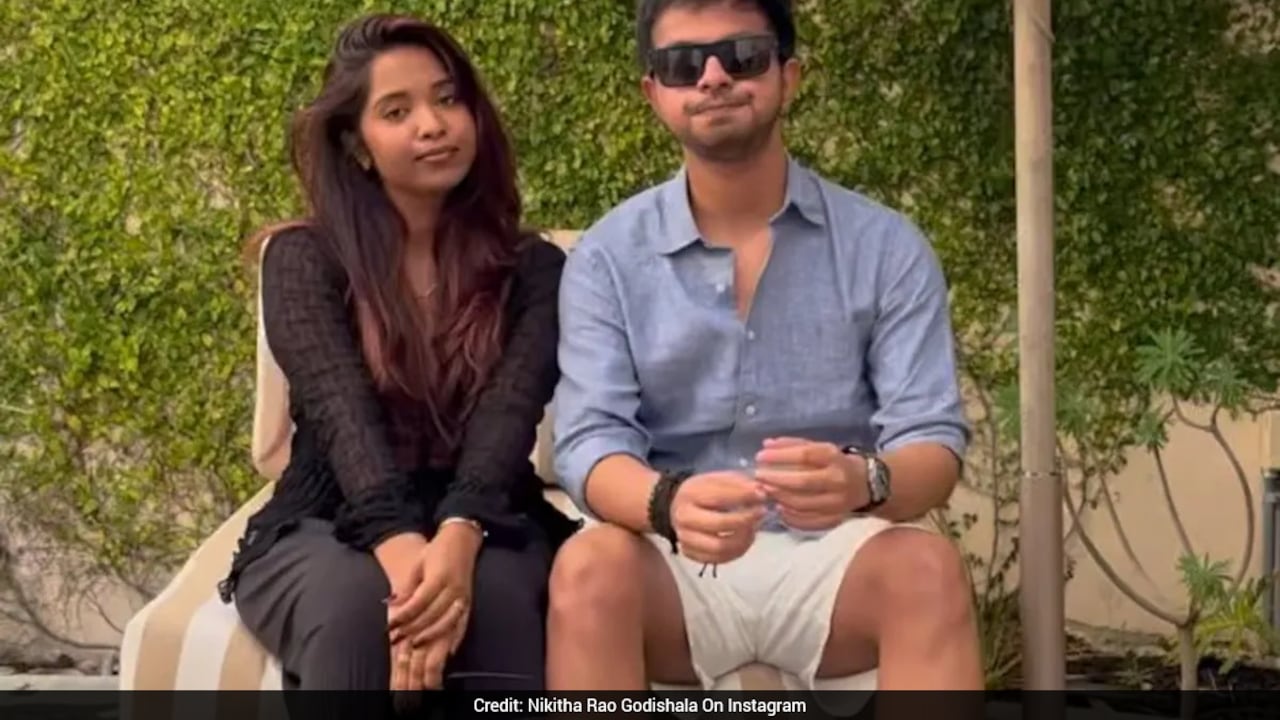
The arrest of Arjun Sharma in Agra marked a critical turn in a cross-border homicide probe, yet it laid bare the systemic failures that leave grieving families fighting institutional opacity. When twenty-seven-year-old Nikitha Godishala was found murdered inside a Maryland apartment on New Year's Day in 2026, her parents in Hyderabad did not learn the grim details from American law enforcement. They discovered that their daughter's remains had been zipped inside a suitcase through media reports.
Months of bureaucratic deflection followed. Nearly two hundred phone calls, dozens of frantic emails, and closed doors across two continents defined the family's ordeal. While international headlines fixated on the mechanics of the suspect's flight from the United States to India, the true crisis unfolded in the silent vacuum between foreign embassies, local American police departments, and Indian investigative agencies.
Transnational crime exposes the jagged edges of international jurisdiction. When a suspect boards an international flight before a body is discovered, local municipal departments face immediate resource walls. Howard County police in Maryland secured arrest warrants for first- and second-degree murder, but translating local warrants into an international manhunt required navigating layers of diplomatic protocol.
Communication broke down almost instantly. Victims' families are routinely treated as external actors rather than central participants in the justice process. For eight months, Godishala's parents had to fight administrative silence while managing the harrowing repatriation of their daughter's mortal remains.
Media narratives often reduce these tragedies to simple romantic disputes. Investigators and reporters alike leaned on lazy terminology, labeling the suspect an ex-boyfriend. The family pushed back hard against this framing, insisting that the underlying reality involved financial exploitation and betrayal.
Court documents and family statements reveal a darker financial web. Sharma, a software engineer who lost his job in late 2025, had allegedly borrowed substantial sums from multiple individuals, including Nikitha and her family. On the evening of December 31, 2025, he allegedly lured her to his apartment under the pretext of repaying a four-thousand-dollar debt. Instead of a settlement, fatal violence occurred.
The suspect then executed a calculated escape. He filed a misleading missing person report with local police on January first, siphoned funds from her credit card, and boarded a flight to India on January second, just hours before authorities forced entry into his apartment.
Tracking a fugitive across international borders requires seamless coordination, yet the initial momentum relied heavily on domestic ingenuity in India rather than foreign intelligence sharing. Local police in Secunderabad registered an independent cheating case based on the family's formal complaint regarding financial fraud. That domestic filing generated non-bailable warrants that kept local law enforcement actively hunting for the suspect, ultimately locating him hiding out in a residential society in Agra.
The subsequent intervention by the Central Bureau of Investigation and the execution of extradition provisions under the India-US treaty brought Sharma into custody at Patiala House Court in Delhi. Yet, this legal milestone underscores a glaring structural flaw. Foreign nationals and expatriate workers living abroad remain acutely vulnerable when criminal justice systems treat cross-border victims as logistical inconveniences.
Families navigating these nightmares should not have to scale bureaucratic walls or rely on political intervention just to receive basic updates about a murder investigation. True accountability demands institutional reform, transparent channels for families abroad, and an immediate overhaul of how international police cooperation handles fugitive tracking.
The courtroom battles in Delhi and Maryland will drag on for months, testing the limits of extradition treaties and evidentiary standards.
For a look at how this high-profile case escalated from a missing person report into an international manhunt, watch this Indian Woman Found Dead Report.


