The United States is quietly shifting from a decades-long policy of economic strangulation toward direct military confrontation with Cuba, utilizing federal indictments and aggressive naval movements to lay the groundwork for potential regime change. President Donald Trump publicly declared himself the leader who will finally "do something" about the socialist island after sixty years of presidential hesitation. This escalation is not mere campaign rhetoric. It represents a coordinated, multi-tiered campaign orchestrated alongside Secretary of State Marco Rubio and CIA Director John Ratcliffe to force a hard economic and political capitulation in Havana, moving far beyond the diplomatic frameworks of previous administrations.
Beneath the standard Washington press pool reports lies a far more calculated and dangerous reality. The administration is assembling a legal, economic, and military apparatus designed to corner the Cuban government, leaving almost no room for diplomatic off-ramps.
The Indictment Strategy
Washington upended decades of geopolitical precedent by unsealing criminal charges against 94-year-old Raúl Castro, the former Cuban president and brother of Fidel Castro. This legal maneuver serves a precise tactical purpose. By labeling the historic leader of the Cuban Revolution a criminal actor, the White House effectively removes the Cuban government from the realm of legitimate diplomatic partners.
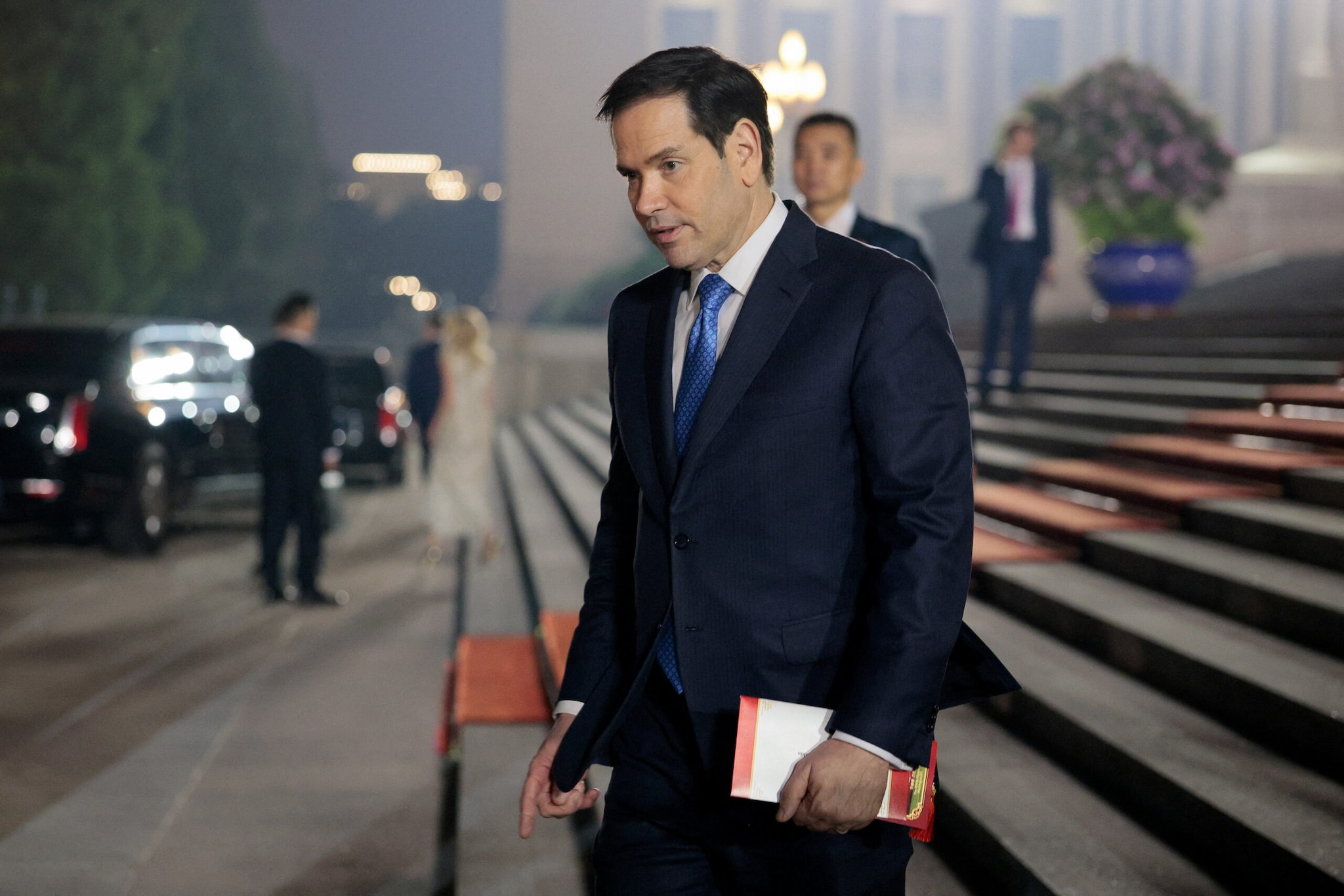
Secretary of State Marco Rubio openly voiced his skepticism regarding any negotiated settlement, stating that the likelihood of a diplomatic resolution is remarkably low. This skepticism is a deliberate policy stance. Rubio and other hardliners have engaged in closed-door talks with Cuban emissaries over recent months, only to emerge intentionally unimpressed, using the stalemated dialogue to justify an aggressive slate of new sanctions.
The legal assault expanded with the arrest of the sister of Cuba’s military conglomerate chief on American soil. This move directly targets the financial lifeline of the Cuban Revolutionary Armed Forces. By pursuing the immediate families of Havana's ruling elite, Washington is attempting to fracture the internal loyalty of the military hierarchy that has sustained the regime since 1959.
Choking the Conglomerate
The financial engine of the Cuban state is not its tourism bureau or its agricultural sector, but GAESA (Grupo de Administración Empresarial S.A.), the massive business empire run directly by the Cuban military. GAESA controls everything from luxury hotels and retail chains to port facilities and foreign currency exchange networks.
The administration placed GAESA under severe, comprehensive sanctions, aiming to completely sever the flow of hard currency to the regime. Rubio defended the crackdown by asserting that past administrations allowed the families of Cuban elites to enjoy lavish lifestyles built on stolen money while ordinary citizens suffered.
This economic offensive coordinates with a strict energy blockade. Washington has heavily restricted fuel shipments arriving from Venezuela and other regional allies. The results inside Cuba are immediate and catastrophic.
- Grid Collapse: Rolling blackouts that leave major cities, including Havana, in total darkness for days at a time.
- Food Scarcity: The breakdown of refrigeration networks and domestic transport, causing severe, localized food shortages.
- Currency Devaluation: An inflation spiral that has rendered the local peso virtually worthless, forcing citizens to rely entirely on black-market remittances.
Gunboat Diplomacy in the Caribbean
While economic and legal levers squeeze Havana from within, the Pentagon is providing the visible muscle. The USS Nimitz aircraft carrier strike group, accompanied by an array of guided-missile destroyers, arrived in the Caribbean Sea under the auspices of pre-planned maritime exercises.
[ USS Nimitz Strike Group ] <--- Deployment Vector ---> [ Cuban Coastline ]
        │
        ├─ Legal Pressure: Raúl Castro Indictment
        ├─ Economic Pressure: GAESA Conglomerate Sanctions
        └─ Strategic Goal: "Friendly Takeover" / Regime Change
U.S. Southern Command maintains that these maneuvers are standard operations with Latin American partners. The timing tells a different story. Deploying a nuclear-powered aircraft carrier to Cuba's doorstep at the exact moment federal prosecutors indict the country's former leader is an unmistakable act of psychological and strategic intimidation.
President Trump has framed this scenario as an ultimatum, offering what he terms a "friendly takeover" if Cuba opens its economy to immediate American investment and expels foreign intelligence assets belonging to China and Russia. If Havana refuses, the threat of direct kinetic action remains firmly on the table. When pressed on whether the administration is attempting a dangerous experiment in nation-building, Rubio countered that the maneuvers are entirely about neutralizing an active national security risk to the United States.
The Triad of Foreign Influence
The urgency driving Washington's sudden aggression is tied to a deeper panic within the defense establishment regarding foreign footprints just 90 miles from the Florida coast. Cuba has increasingly leased out its strategic geography to global American adversaries.
Beijing operates electronic intelligence collection facilities on the island, allowing the People's Liberation Army to intercept military communications across the American Southeast. Moscow has renewed its naval ports of call in Havana, sending sophisticated warships and submarines into northern Caribbean waters. Furthermore, Havana continues to provide ideological and intelligence support to leftist regimes across Latin America, acting as a regional hub for anti-Washington alliances.
The White House is operating on the assumption that Cuba's internal economic collapse makes it highly vulnerable. The administration believes that by applying simultaneous pressure—starving the military of funds, threatening the aging leadership with American prisons, and positioning a naval strike group off the coast—the regime will crack before Washington ever needs to order a single strike.
This strategy assumes that the Cuban government will react rationally to overwhelming pressure. History suggests otherwise. For over six decades, the ruling apparatus in Havana has utilized American aggression as its primary source of domestic political legitimacy, rallying a desperate population around the flag of national sovereignty. By cutting off all diplomatic channels and treating negotiations as a dead end, the administration has created a high-stakes standoff where any miscalculation on either side could rapidly transform a theatrical political theater into a genuine regional war.