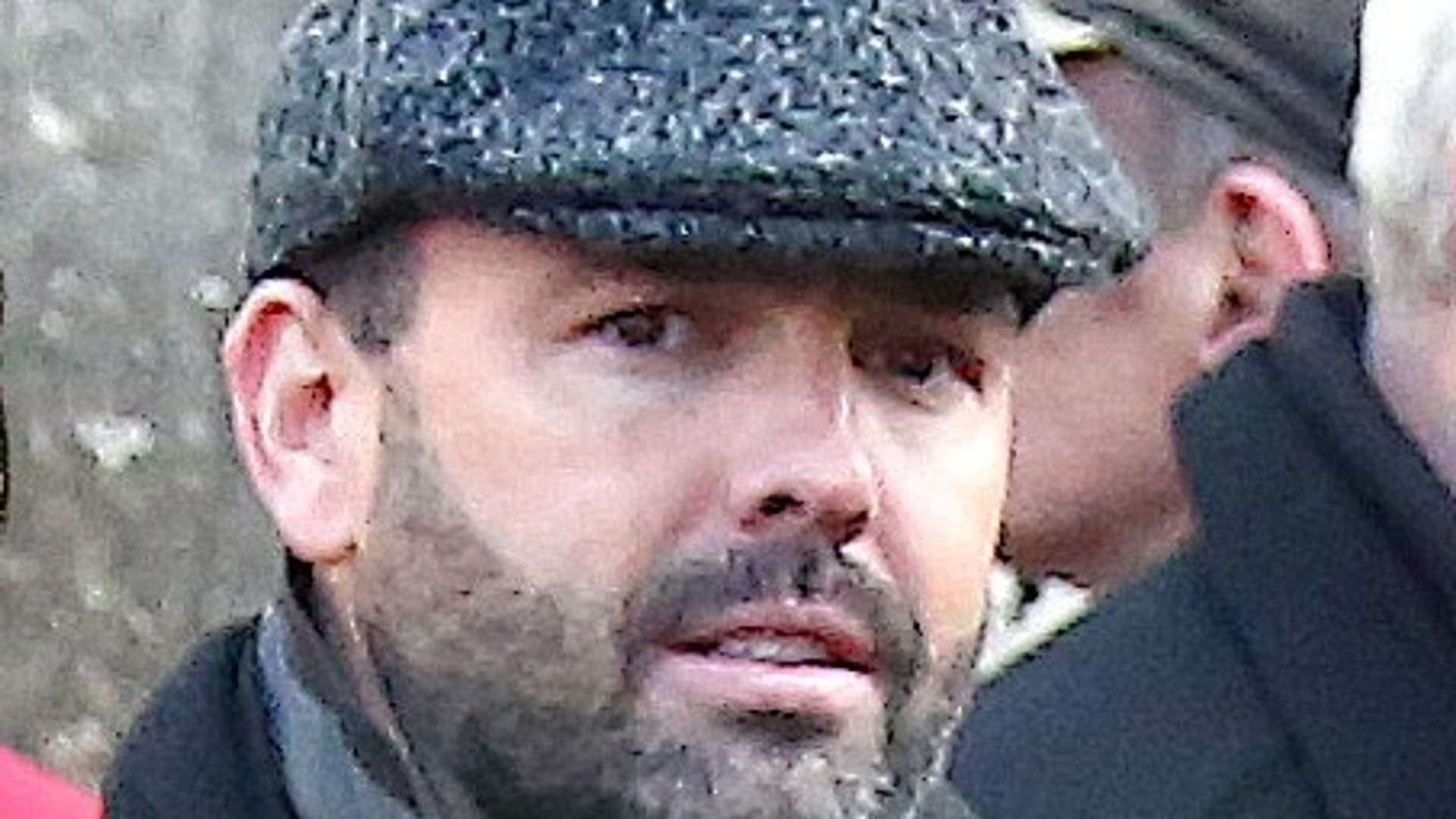
The legal walls started closing in fast when Daniel Kinahan traded the hyper-luxurious skyline of Dubai for the high-security perimeter of Portlaoise Prison. For years, the 49-year-old operated from a safe distance across the globe, managing an empire that US authorities claim pulled in billions through international drug trafficking. But extradition changed the equation entirely. Now, standing before Dublin's Special Criminal Court, Kinahan's legal team has made it clear that he plans to vehemently defend against a single central charge of directing an organized crime organization.
You don't just walk into Ireland's non-jury Special Criminal Court and expect a casual proceeding. The security alone told a heavy story. Armored prison vans, convoys escorted by the Garda Armed Support Unit, and a massive police presence turned the Dublin courthouse into a fortress. When Kinahan first appeared without legal representation—admitting he hadn't yet secured a lawyer—he famously quipped that everyone in the room knew bail wasn't happening.
That resignation didn't last. With solicitor Darragh Mackin now officially on record representing him, the strategy has shifted dramatically. A formal bail application is officially on the horizon, setting up a massive legal clash between state prosecutors and a defense team determined to pick apart the prosecution's evidentiary timeline.
Breaking Down the Core Charge
The state is prosecuting Kinahan under Section 71A of Ireland's Criminal Justice Act 2006. This specific statute targets individuals accused of directing or controlling a criminal organization, a charge carrying immense prison sentences upon conviction. The indictment specifically points to a window between October 2015 and April 2017.
That timeframe matters immensely. It covers the height of a bloody gangland feud in Ireland that left 18 people dead, following a brazen attack at Dublin's Regency Hotel. Prosecutors are tasked with linking Kinahan's remote communications and operational decisions directly to domestic crimes committed by lower-tier members thousands of miles away.
Defense attorneys love this kind of distance. Expect Kinahan's team to aggressively challenge the chain of evidence, the legitimacy of international intelligence sharing, and the sheer breadth of what constitutes "directing" an organization from a different continent.
The Global Pressure Cooker
This case isn't happening in a vacuum. Back in 2022, the US Treasury Department hammered the Kinahan Organised Crime Group with sweeping economic sanctions, while the US State Department dangled $5 million rewards for information leading to the capture of Daniel, his brother Christopher Jr., and his father Christy Sr. British authorities have spent years dismantling the network's UK operations, securing lengthy sentences for high-level lieutenants involved in multimillion-pound drug and firearm shipments.
Dubai police eventually detained Kinahan in April following intensive international cooperation, clearing the path for an extradition that few thought would actually happen. The UAE and Irish governments hailed the move as proof that international fugitives no longer have safe havens.
Yet, extradition is only half the battle. Securing a conviction in a Special
Inside the High Stakes Legal Battle Facing an Alleged Irish Crime Boss
news
High-profile criminal cases rarely play out quietly in the courtroom. When an individual accused of leading a major transnational criminal organization faces extradition, deportation, or severe domestic charges, the legal strategy shifts immediately to defense preservation and strict bail conditions. Right now, international media and legal observers are tracking a high-stakes court battle involving an alleged Irish crime boss preparing to vehemently defend himself against serious charges while aggressively pushing for release.
If you follow international crime reporting, you know these hearings are rarely simple. Prosecutors bring stacked dossiers, international law enforcement warrants, and multi-jurisdictional financial trails. Defense attorneys counter with procedural challenges, constitutional rights arguments, and surety packages worth millions. This specific case highlights the intense friction between international crime-fighting efforts and domestic judicial protections.
The Immediate Legal Battlefield
Fighting serious criminal allegations requires an aggressive initial posture. Defendants labeled as organized crime leaders face immense public and institutional pressure. Prosecutors rely on surveillance data, encrypted communication intercepts, and witness testimonies to paint a picture of an untouchable figure directing illicit operations from the shadows.
The defense strategy in these scenarios usually relies on three core pillars. First, dismantling the admissibility of digital evidence. Second, challenging the credibility of cooperating witnesses or intelligence agency assertions. Third, presenting an airtight bail proposal that satisfies the court's fear of flight or witness tampering.
When an alleged kingpin stands before a judge vowing to contest every single allegation, it signals a shift from passive defense to aggressive pushback. This isn't just about avoiding a conviction. It's about dismantling the state's narrative piece by piece before a jury ever gets involved.
Why Bail Applications Turn Into Massive Battles
Securing temporary freedom while awaiting trial becomes an uphill battle when law enforcement agencies label someone a flight risk. Courts look at specific factors when deciding whether to grant bail to high-profile defendants.
- Financial Resources: Does the accused have access to hidden foreign accounts, crypto wallets, or untraceable assets that make fleeing easy?
- Global Connections: Do they hold multiple passports or maintain strong ties to criminal networks across different countries?
- Severity of Potential Sentence: If conviction means spending decades behind bars, the incentive to run increases exponentially.
To counter these concerns, defense teams have to construct a financial fortress around their bail application. They present substantial cash sureties, surrender all valid travel documents, agree to round-the-clock electronic monitoring, and pledge private security oversight. Judges aren't handing these releases out easily. The burden of proof sits heavily on the defense to prove that absolute compliance is guaranteed.
The Broader Impact on Transnational Crime Prosecution
Cases like this expose the friction points in modern law enforcement. Interpol cooperation, European arrest warrants, and cross-border intelligence sharing have made it harder for major figures to hide. Yet, the legal machinery still has to respect domestic constitutional thresholds.
When a high-profile suspect demands their day in court and fights extradition or detention, it tests the limits of transnational agreements. Investigators spend years building these cases, but defense attorneys look for the smallest technicality—a mistranslated intercept, a jurisdictional overreach, or a violation of due process—to unravel the entire prosecution.
This legal showdown will set the tone for how similar high-stakes cases are handled moving forward. Whether the defense successfully secures bail or finds themselves locked down until trial, the proceedings offer a rare look at the mechanics of modern international justice. Keep your eyes on the courtroom rulings because the precedents set here will echo through future organized crime prosecutions across Europe and beyond.