The current Ebola outbreak tearing through the eastern Democratic Republic of the Congo and spilling over into Uganda is not the disease the world thinks it knows. While standard reports fixate on a rapidly climbing death toll that has already crossed into dozens of confirmed fatalities and hundreds of suspected cases, they routinely omit the underlying catastrophe. The World Health Organization has quieted alarms by noting this does not yet constitute a global pandemic emergency, but on the ground in Ituri province, the reality is far more grim.
The true crisis is that the region is facing the Bundibugyo strain of the virus, an exceptionally rare variant for which there are zero approved vaccines and zero licensed therapeutics. Also making headlines in this space: The Architecture of African Biosecurity Sovereignty Decentralizing Epidemic Response Mechanisms.
For decades, the global health apparatus patted itself on the back for developing Ervebo and other highly effective countermeasures against the dominant Zaire strain of Ebola. Those tools are entirely useless here. This outbreak is expanding through a volatile mix of armed conflict, unregulated gold mining corridors, and deep-seated community mistrust that has forced international agencies into a defensive crouch.
The Phantom Variant with No Cure
When the first patients began dying in the mining hub of Mongbwalu and the regional capital of Bunia in early May 2026, local diagnostic infrastructure failed fundamentally. Local labs screened the blood samples for the Zaire strain, the culprit behind almost every headline-grabbing outbreak of the past decade. The tests came back negative. More insights on this are covered by World Health Organization.
Because the initial diagnostics failed, the virus was given a crucial head start. The Bundibugyo strain presents with deceptive, non-specific early symptoms like fever, fatigue, and muscle aches that mimic malaria or standard typhoid, both endemic to eastern DRC. It was only when samples were flown across the country to the National Institute of Biomedical Research in Kinshasa that genetic sequencing revealed the truth. By then, the virus had already multiplied through informal clinics and traditional funeral ceremonies.
Ebola Strains and Medical Countermeasures
+-------------------+-----------------------+-----------------------+
| Virus Strain      | Approved Vaccine      | Approved Therapeutics |
+-------------------+-----------------------+-----------------------+
| Zaire             | Yes (Ervebo / Zabdeno)| Yes (Ebanga / Inmazeb)|
+-------------------+-----------------------+-----------------------+
| Bundibugyo        | NONE                  | NONE                  |
+-------------------+-----------------------+-----------------------+
With a mortality rate hovering between 25% and 50%, Bundibugyo requires an entirely different playbook. Public health teams cannot rely on the "ring vaccination" strategy that successfully halted previous epidemics, where contacts of infected individuals were immediately inoculated to create a human shield against transmission. Instead, containment relies entirely on isolation, contact tracing, and raw supportive care. If a patient dehydrates from severe vomiting and diarrhea, their survival depends entirely on an IV fluid pole, not a breakthrough biotech drug.
How Gold and Guns Fuel the Spread
Public health maps show neat red dots indicating infection zones, but diseases do not move on maps. They move along supply chains. The epicenter of this outbreak is Ituri, a province structurally hollowed out by decades of militia violence, particularly involving the M23 group and localized factions.
Active conflict has displaced hundreds of thousands of people, forcing them into cramped, unsanitary temporary settlements where isolation is a physical impossibility. More critically, the region is a patchwork of informal, artisanal gold mining sites.
Miners are highly mobile, transient populations who follow rumors of rich veins across porous borders. They utilize a massive network of informal healthcare facilities, unmonitored clinics run by unqualified practitioners who reuse needles or lack basic personal protective equipment. When an infected miner visits an informal clinic in a town like Mongbwalu, that clinic becomes an amplifier. The virus hitches a ride on the backs of traders and laborers moving down the mining corridors, bypassing official health checkpoints entirely.
This exact economic mobility explains why the virus appeared in Kampala, Uganda, within days of the outbreak's official declaration. Two travelers, unrelated to one another but both returning from the DRC gold fields, fell ill and were admitted to intensive care units in the Ugandan capital.
The Coercion Trap
International agencies like UNICEF are scrambling, dumping tons of chlorine, soap, and personal protective equipment into Bunia. But logistics are only half the battle. The psychological friction on the ground is immense.
During the massive 2018-2020 Zaire Ebola outbreak in North Kivu, international responders deployed heavily armed security escorts and enforced strict, sometimes coercive isolation protocols. The long-term fallout of that approach is being felt today. Communities grew profoundly suspicious of the "Ebola business," a local term used to describe the influx of foreign vehicles, high-paying NGO jobs, and heavily funded treatment centers that contrast sharply with the chronic neglect of everyday health needs.
If response teams resort to heavy-handed tactics now, the epidemic will simply go underground.
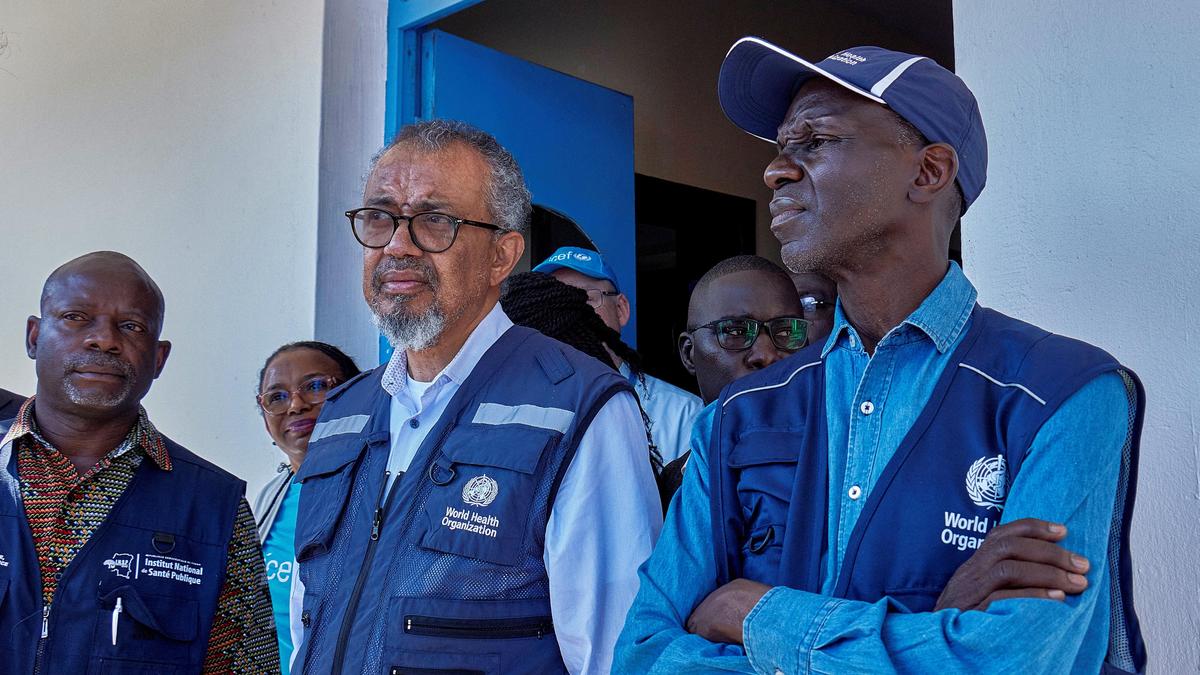
"If we use coercive measures and the population does not agree, we will see bodies disappear," warned Dr. Anne Ancia, the WHO representative in the DRC. "We will see suspected cases refusing to come to the hospitals."
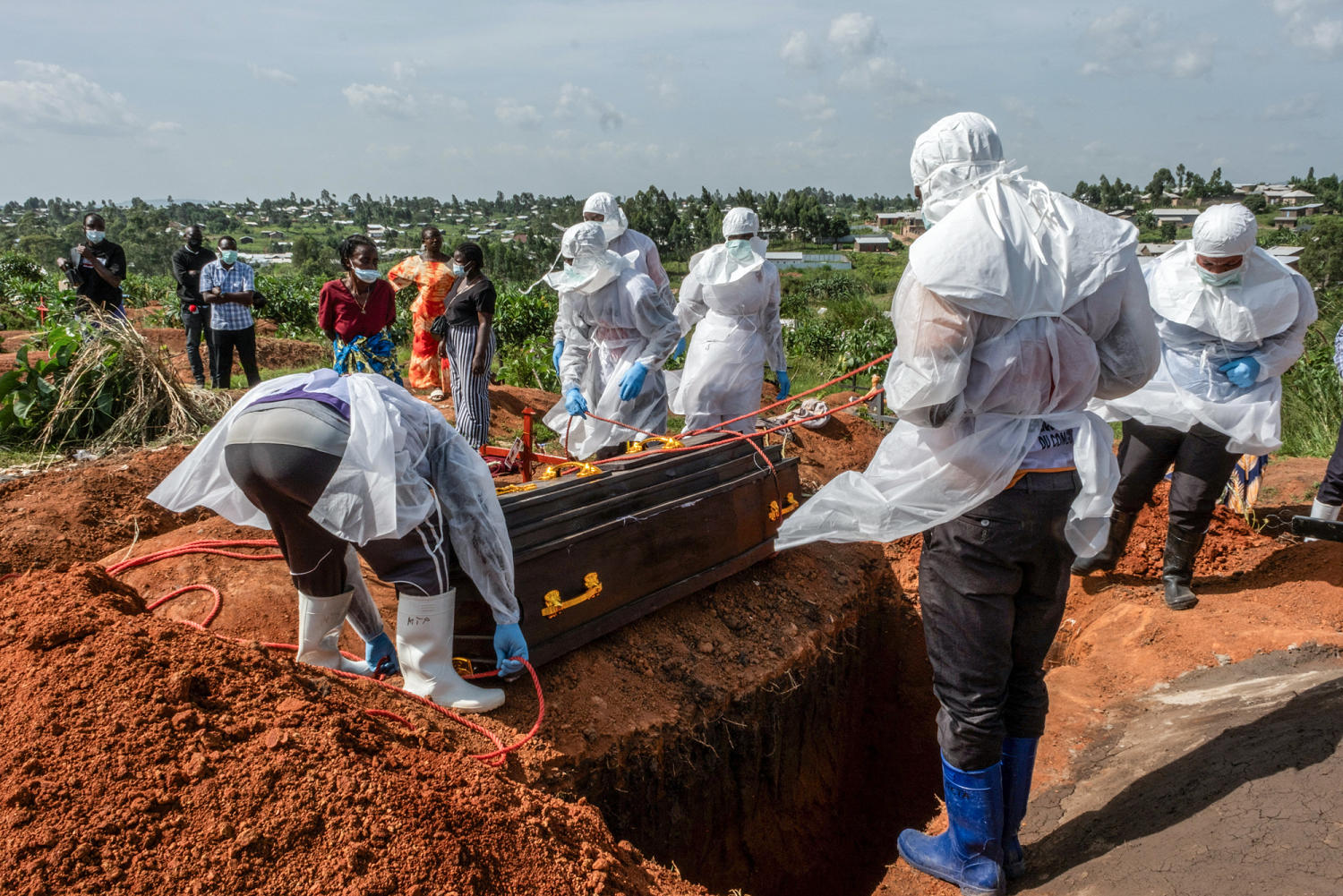
A poignant example of this cultural friction occurred early in the current outbreak. A patient died in Bunia, and the body was transported to Mongbwalu in a standard coffin. Dissatisfied with the quality of the casket, the family opened it, handled the highly infectious body, and transferred the deceased to a more prestigious coffin before conducting a traditional burial. This single act of cultural dignity became a massive super-spreader event.
The Flawed Pipeline of Global Health R&D
The lack of a Bundibugyo vaccine is not a scientific failure. It is a market failure.
Pharmaceutical companies invest billions in medical countermeasures when there is a predictable, wealthy market or a significant threat to global Western commerce. Because Bundibugyo outbreaks are sporadic, rare, and confined to low-resource settings in Central Africa, candidate vaccines have languished in early-stage laboratory pipelines for years without moving to phase-three clinical trials.
While the WHO has convened emergency scientific consultations to fast-track candidate vaccines, the bureaucratic and manufacturing reality means any deployable tool is months away. The global community is effectively fighting a 21st-century viral threat with 19th-century tools, relying on manual contact tracing and basic quarantine infrastructure.
The immediate outlook depends entirely on whether emergency teams can build functional alliances with local religious leaders, traditional healers, and community networks to voluntarily report symptoms. Without their trust, the informal mining networks of the eastern DRC will continue to export the virus across international borders, turning a localized crisis into a regional catastrophe that no amount of foreign aid can easily buy its way out of.