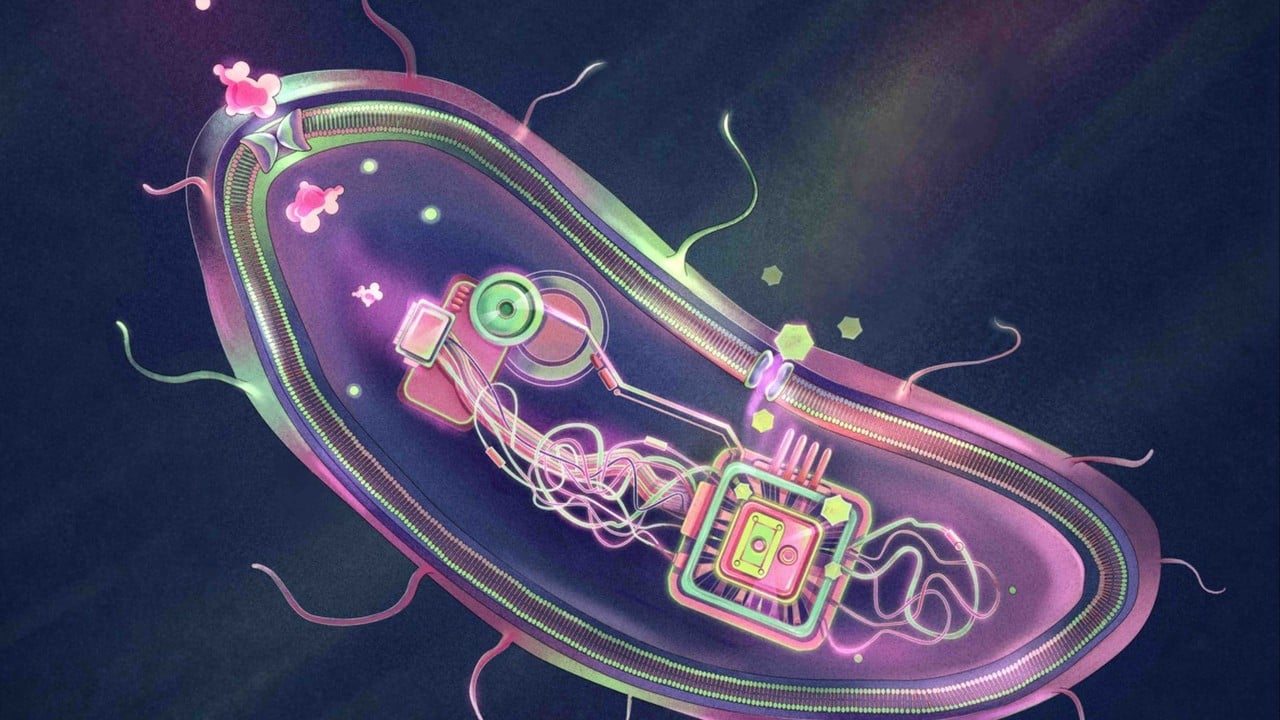
For decades, the global management of metabolic disorders has been anchored to a rigid triad: daily finger pricks, inflexible pharmaceutical schedules, and subcutaneous injections. More than 530 million adults live with diabetes worldwide, a figure tracking toward 850 million by mid-century. Into this massive, lucrative market steps a radical proposition from a team at East China Normal University in Shanghai. Led by scientist Ye Haifeng, the research group published data in Nature detailing an engineered oral probiotic known as GIFT—glucose-sensing and functional response.
The core premise relies on synthetic biology to turn a common, historically safe intestinal bacterium into a microscopic, autonomous control system. Instead of flooding the bloodstream with a continuous or scheduled dose of medication, this living drug remains dormant when blood sugar sits at normal baselines. When glucose spikes, the bacterium senses the shift, wakes up, and secretes the glucose-lowering hormone GLP-1 directly into the local environment. Animal trials yielded performance metrics comparable to blockbuster incretin mimetics like Ozempic, prompting the team to target US and European shelves within a compressed two-year window. Meanwhile, you can find other events here: Why Congo's Ebola Crisis Is Spiraling Out of Control.
Yet, moving from an academic publication to commercial retail shelves in Western markets involves traversing a regulatory maze that rarely accommodates optimistic timelines.
The Regulatory Reality Check
Claiming a two-year horizon for US market entry ignores how the Food and Drug Administration treats engineered live biotherapeutic products. Living medicines fall into a stringent regulatory category distinct from standard vitamin supplements or traditional probiotics found in grocery store dairy aisles. Even if marketed initially as a health supplement or over-the-counter preparation in less strictly regulated jurisdictions, exporting an engineered organism designed to express human hormones into the American market triggers rigorous scrutiny under Investigational New Drug frameworks. To understand the complete picture, check out the recent article by Medical News Today.
The primary hurdle is biological containment. Introducing a genetically modified microorganism into the human gastrointestinal tract requires absolute proof that the bacterium cannot colonize permanently, transfer its engineered genetic circuits to native gut flora, or survive indefinitely outside a controlled host. While the Shanghai team utilized a host strain with a long-standing safety profile, adding synthetic feedback loops introduces unpredictable variables. Regulatory agencies will demand extensive multi-year pharmacokinetic and pharmacodynamic data in primates before human trials can even clear Phase 2 thresholds.
Synthetic Biology Meets Consumer Delivery
The architectural elegance of the GIFT platform lies in its departure from passive drug delivery. Conventional oral medications suffer from erratic absorption rates dictated by stomach acid, digestive enzymes, and individual gut motility. By engineering a bacterium to act as an on-demand factory, the therapy matches physiological feedback loops far more closely than an injected pen ever could.
Consider a hypothetical patient eating a carbohydrate-heavy meal. Within minutes, localized glucose concentrations in the upper intestine rise. The synthetic promoter inside the engineered bacterium detects this surplus, initiating transcription of the gene sequence responsible for GLP-1 synthesis. The hormone is released locally, stimulating insulin secretion from the pancreas just as endogenous pathways intend. Once glucose levels normalize, the promoter shuts down transcription.
This closed-loop feedback mechanism bypasses the peaks and troughs associated with traditional pharmacology. It mitigates the risk of severe hypoglycemia, a constant shadow hanging over aggressive insulin or sulfonylurea regimens. Furthermore, bypassing the cold-chain storage requirements and cold-needle distribution networks of traditional peptide drugs opens up massive logistical advantages, particularly in developing regions where refrigeration remains a luxury.
Commercial Pressures and Intellectual Property
Behind the scientific milestone sits a fierce geopolitical and commercial race. The global demand for accessible, non-invasive metabolic therapies has created a high-stakes environment where academic institutions increasingly behave like venture-backed biotechnology startups. East China Normal University has already secured core patents protecting the genetic architecture of the glucose-sensing toggle switches.
Western pharmaceutical incumbents watching these developments are unlikely to cede territory quietly. Current blockbuster treatments rely on multi-billion-dollar injection franchises that generate recurring quarterly revenue. An inexpensive, shelf-stable oral capsule that mimics peptide efficacy without the associated manufacturing overhead threatens the commercial models of major drug developers. Consequently, patent challenges, licensing negotiations, and strategic acquisitions will likely shape the trajectory of this technology long before it reaches a pharmacy counter.
Scaling production to pharmaceutical-grade purity adds another layer of complexity. Fermenting engineered live bacteria at industrial scales while maintaining absolute genetic stability across billions of generations is an engineering feat that has tripped up many well-funded biotech firms. If mutations occur within the synthetic circuit during large-scale bioreactor runs, the bacteria could lose their sensing capability or fail to express the target hormone entirely.
The promise of turning diabetes management into a routine oral dose swallowed alongside breakfast is intoxicating. The science is brilliant, the animal data compelling, and the market appetite insatiable. But biology obeys its own laws, and regulatory bodies have zero appetite for shortcuts when dealing with synthetic organisms engineered to alter human metabolism. Whether this Shanghai team beats the clock or runs aground on the shores of Western bureaucracy will test the true maturity of the synthetic biology era.