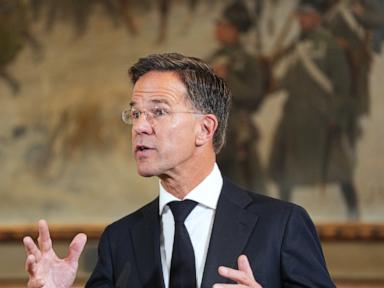
When German Chancellor Friedrich Merz stepped off a train in Kyiv under the low-hanging gray clouds of October 2026, the diplomatic choreography was punctured almost immediately by the familiar, concussive thud of regional air defenses. Moscow did not pause its aerial campaign for the visitor. In fact, Russian strikes hit a major bridge and infrastructure targets in the capital hours after his arrival, offering a blunt, kinetic punctuation mark to a visit meant to signal unbreakable European resolve.
This was not merely another routine diplomatic photo opportunity designed for evening broadcasts. It laid bare the grim reality of a war grinding through its fifth winter. Yet beneath the predictable theater of solidarity announcements and handshakes with President Volodymyr Zelenskyy lies a deeper structural transformation in how Berlin and Kyiv manage their military-industrial interdependence. Also making waves in related news: Stop Applauding VIP Visits to Kyiv While Air Defenses Run Dry.
The Shift From Donor Handouts to Joint Manufacturing
For years, the debate in Western capitals centered on inventory lists and bureaucratic bottlenecks. Berlin argued over the political optics of weapon ranges, while Kyiv absorbed wave after wave of ballistic and drone attacks. Merz’s autumn package—weighing in at approximately €1.3 billion—reflects a quiet abandonment of traditional aid models.
Instead of shipping legacy hardware straight from dwindling Bundeswehr depots, a substantial portion of this financial commitment targets joint industrial production. Berlin and Kyiv have quietly pivoted toward co-developing domestic interceptor drones and long-range strike systems. This is industrial pragmatism disguised as charity. Germany’s economy ministry, represented on the trip by senior officials and corporate executives, recognizes an uncomfortable truth: European defense manufacturers cannot scale fast enough to meet localized attrition rates on their own. Additional information on this are detailed by USA Today.
By integrating Ukrainian defense tech firms directly into joint production chains, Berlin secures a real-time feedback loop. Lessons learned in the contested airspace over the Dnipro are instantly baked into hardware blueprints. It is a cynical marriage of necessity. Ukraine gains vital capital and localized manufacturing capacity to survive the winter grid attacks, while German industry gains a front-row seat to the most accelerated military innovation cycle of the century.
The Domestic Political Friction in Berlin
Back home, the political ground beneath Merz is far from stable. Opposition voices and skeptical factions within the broader German political landscape continue to question the opportunity cost of multi-billion-euro funding packages at a time when domestic infrastructure, pension funds, and energy markets face severe strain.
The friction highlights a widening chasm between strategic elites who view the defense of Ukraine as an existential prerequisite for European security and weary taxpayers watching inflation erode their purchasing power. Merz’s gamble is that the electorate will eventually recognize the alternative—allowing the Russian war machine to successfully subjugate its neighbor—as infinitely more expensive. Yet this argument grows harder to sustain every time a thermal power station goes dark or another civilian district absorbs a salvo of ballistic missiles.
The chancellor’s refusal to supply specific long-range cruise missile systems like the Taurus, despite persistent requests from Kyiv earlier in the conflict, underscores this cautious calculus. Rather than escalating direct military friction through transferred stockpiles, Berlin has funneled resources into Ukrainian domestic long-range capabilities. It is a calculated dodge designed to maintain strategic pressure on Moscow without crossing self-imposed threshold lines that continue to paralyze Western capitals.
The Fragile Architecture of European Deterrence
As European leaders grapple with shifting political winds across the Atlantic and relentless hybrid warfare tactics—ranging from infrastructure sabotage attempts to relentless cyber probes—the architecture of continental defense looks increasingly fragile. Merz’s journey to Kyiv was framed as a show of strength, but it also highlighted Europe's chronic dependence on external shock absorbers.
When a nation’s leaders must ride armored trains into active combat zones just to keep alliance credibility alive, the normalization of high-intensity conflict on the European continent is complete. The billions pledged for anti-drone interceptors and substation repair kits are stopgaps against an adversary that views time as a strategic weapon.
The cold truth is that neither a €1.3 billion package nor high-level handshakes at war-damaged academic institutions will alter the immediate trajectory of the artillery duels along the eastern front. They merely buy time. And as the snow begins to fall over a fractured energy grid, the margin for error in European capitals is shrinking faster than the industrial base can expand.


