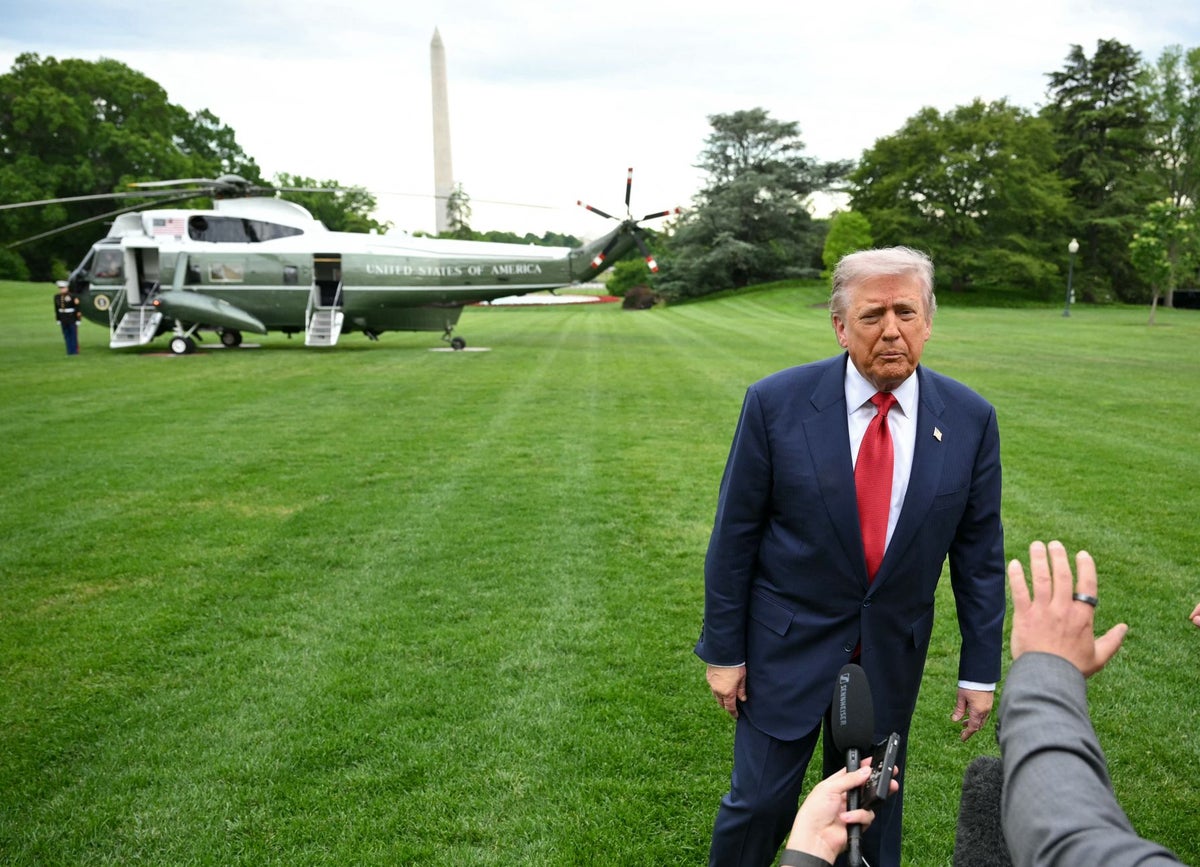
The physical transformation of 1600 Pennsylvania Avenue is no longer just a matter of interior design or historic preservation. It has become a high-stakes constitutional and financial standoff. While public attention has focused heavily on the gilded aesthetic updates to the Oval Office and the inclusion of premium materials like white marble in the Lincoln Bedroom, the true story lies in the unprecedented structural overhaul of the East Wing. What began as a plan to build a massive new State Ballroom has expanded into an intricate web of private fundraising, corporate steel deals, and a sudden billion-dollar taxpayer security request that threatens to upend decades of executive spending precedents.
The executive mansion has always evolved. Yet the current friction stems from a fundamental dispute over who controls the physical footprint of America's most recognizable federal building.
The Mechanics of the Point Four Billion Dollar Overhaul
In July 2025, the executive branch announced plans to construct an 89,000-square-foot expansion to replace the existing East Wing, which demolition crews promptly dismantled later that autumn. The central justification for this sweeping project was logistical. The traditional East Room could only accommodate roughly 200 guests for formal state dinners, forcing large-scale events into temporary tents on the South Lawn. The new, multi-story structure is designed to hold nearly 1,000 people.
The financial blueprint for this project deviates sharply from past federal renovations. Rather than relying on direct congressional appropriations, the administration structured a 14-page agreement between the White House, the National Park Service, and a non-profit entity to aggregate private donations. The cost estimate for the project escalated rapidly.
- July 2025: The initial contract was projected at $200 million.
- October 2025: Estimates climbed to $300 million as design complexities grew.
- December 2025: The official price tag stabilized at $400 million.
The administration has repeatedly emphasized that the $400 million structural asset is entirely privately financed, requiring no direct taxpayer funds for its core construction.
The Corporate Philanthropy Loophole
An investigation into the funding mechanism reveals a complex gray area where corporate interests and federal infrastructure intersect. In October 2025, a major international steel manufacturer contributed 600 tons of structural steel, valued at approximately $37 million, explicitly earmarked for the ballroom project. Within forty-eight hours of that arrangement, the executive branch issued a proclamation reducing tariffs on automotive steel imported from a Canadian plant operated by that very same company.
The administration maintains the two events are entirely unrelated, pointing out that reducing tariffs lowers costs for domestic manufacturing supply chains. However, ethics watchdogs argue this dynamic establishes a troubling precedent. When private corporations can directly donate raw materials or capital to alter the physical layout of the White House, the line between public governance and corporate influence blurs significantly.
Further complicating the ledger is the direct financial involvement of the chief executive. The president recently stated that he personally contributed roughly $10 million toward related improvements around Lafayette Park, while administration officials have declined to specify the exact amount of personal capital injected into the East Wing structure itself.
The One Billion Dollar Security Pivot
While the ballroom shell is theoretically funded by private benefactors, the true cost to the public is emerging through a separate legislative channel. Senate lawmakers recently proposed a $1 billion national security funding package tied directly to the White House complex upgrades.
This massive line item is not intended to lay decorative brick or hang chandeliers. Instead, it is aimed at hardening the subterranean and structural integrity of the entire East Wing footprint.
| Security Component | Allocated Budget |
|---|---|
| Tactical Hardening (Subterranean bunkers, blast glass, drone/chemical defense) | $220 Million |
| New Visitor Screening Facility | $180 Million |
| Secret Service Agent Training and Fleet Upgrades | $175 Million |
| Protectee Security Enhancements | $175 Million |
| Biological Weapon and Airspace Incursion Countermeasures | $150 Million |
| High-Profile National Special Security Events | $100 Million |
The justification for this sudden influx of taxpayer capital shifted dramatically following a high-profile security breach at the White House Correspondents' Dinner. The Secret Service and military strategists quickly insisted that an expanded perimeter required a complete modernization of the complex's defensive capabilities. The proposed underground infrastructure will feature a state-of-the-art medical hospital, bomb shelters, and top-secret military installations designed to act as a fortified structural buffer for the entire West Wing.
The Constitutional Standoff in the Courts
This blending of private financing and public security funding has triggered a severe legal backlash. In late March 2026, a federal district judge issued a preliminary injunction halting above-ground construction. The court's rationale was straightforward. The president is a temporary steward of federal property, not the outright owner, and major structural changes to the executive mansion require explicit statutory authorization from Congress.
The administration managed to secure a temporary stay from an appellate court, allowing construction to proceed through early June while the legal merits are debated. The White House legal team argues that if Congress passes the pending immigration enforcement bill—which contains the $1 billion security package—the legislature will have effectively ratified the entire project by funding its defensive components.
Opponents in the House and Senate view this as a legislative bait-and-switch. They argue that inserting a billion-dollar security rider into a broader national security bill forces lawmakers to choose between funding vital defense measures or endorsing an unauthorized real estate project.
A Transformation of Historic Stewardship
For over two centuries, updates to the White House were executed with meticulous bureaucratic oversight. Even massive undertakings, such as the total gutting and structural steel reinforcement of the mansion during the Truman administration, were transparently debated, federally funded, and managed through strict historical preservation guidelines.
The current methodology upends this tradition. By firing members of advisory bodies like the U.S. Commission of Fine Arts and replacing them with allies, the executive branch has effectively bypassed traditional design guardrails. The result is a fundamental shift in how the nation's premier historic site is managed.
The legal battle coming to a head this June will determine more than just the fate of a 90,000-square-foot pavilion. It will establish whether a sitting president can leverage private wealth and corporate donations to permanently alter federal land, leaving the public to quietly foot the multi-billion-dollar security bill that comes with it.
White House Ballroom Expansion Update
This broadcast outlines the political and financial friction surrounding the multi-million dollar East Wing project and the ensuing debate over taxpayer-funded security riders in Congress.