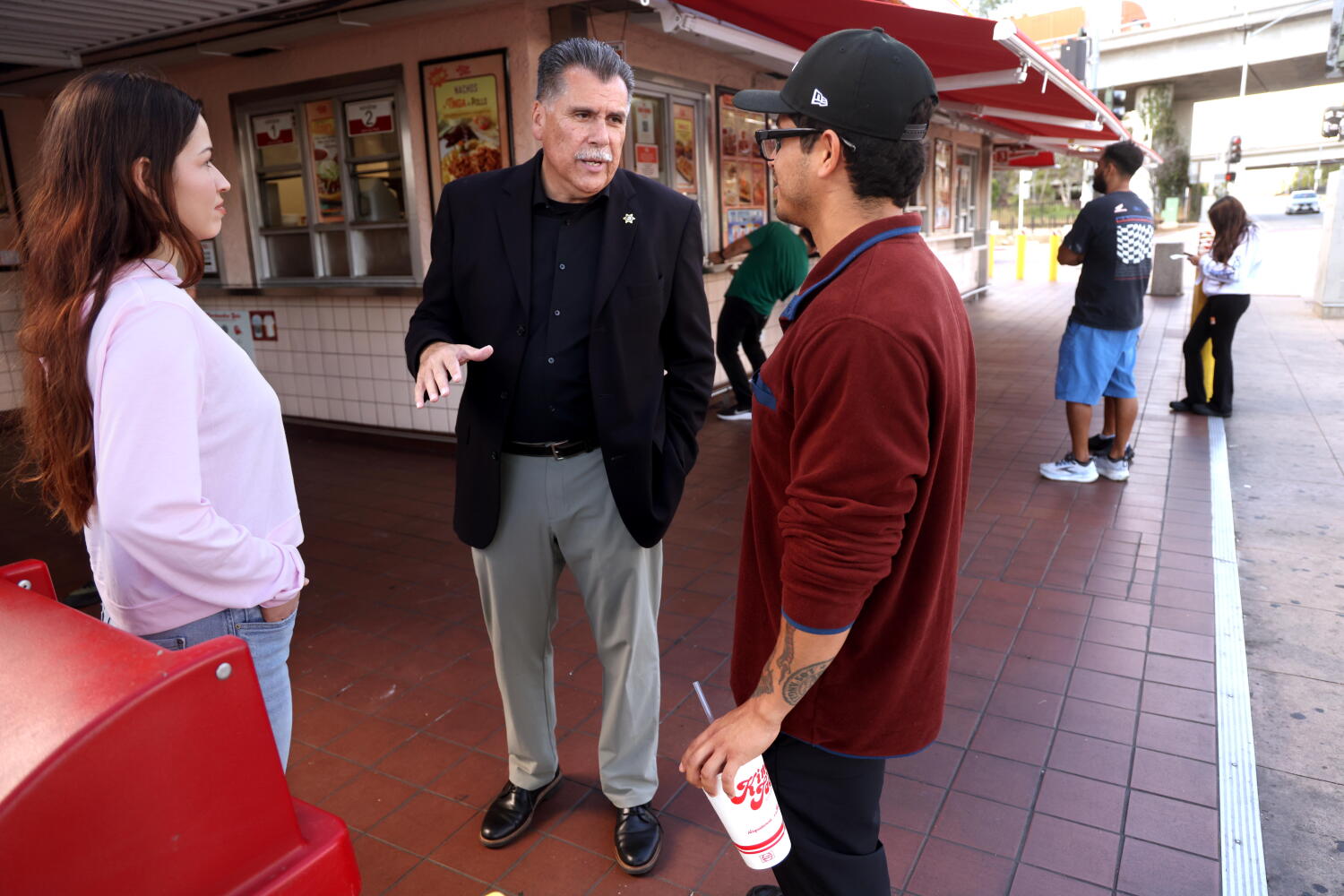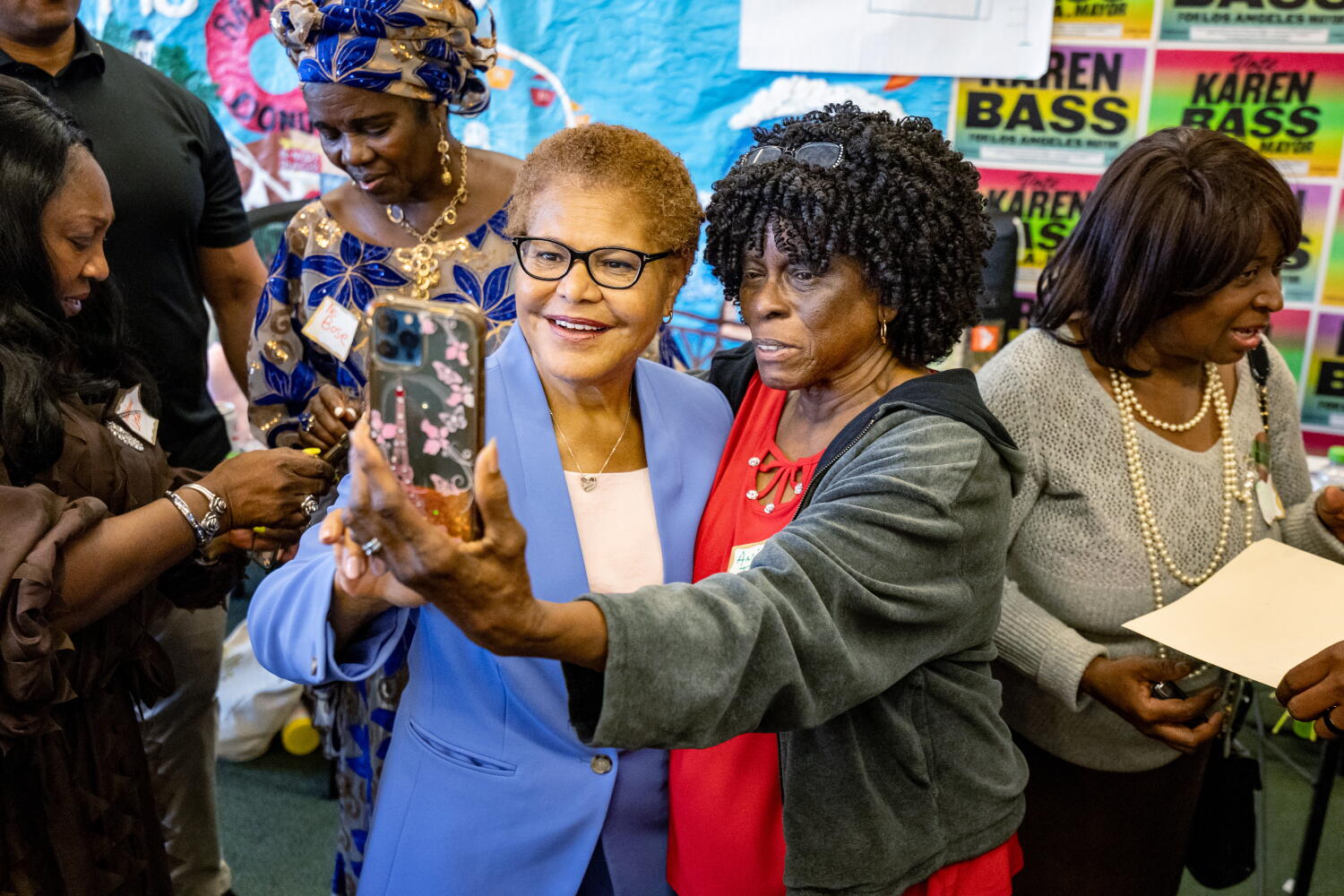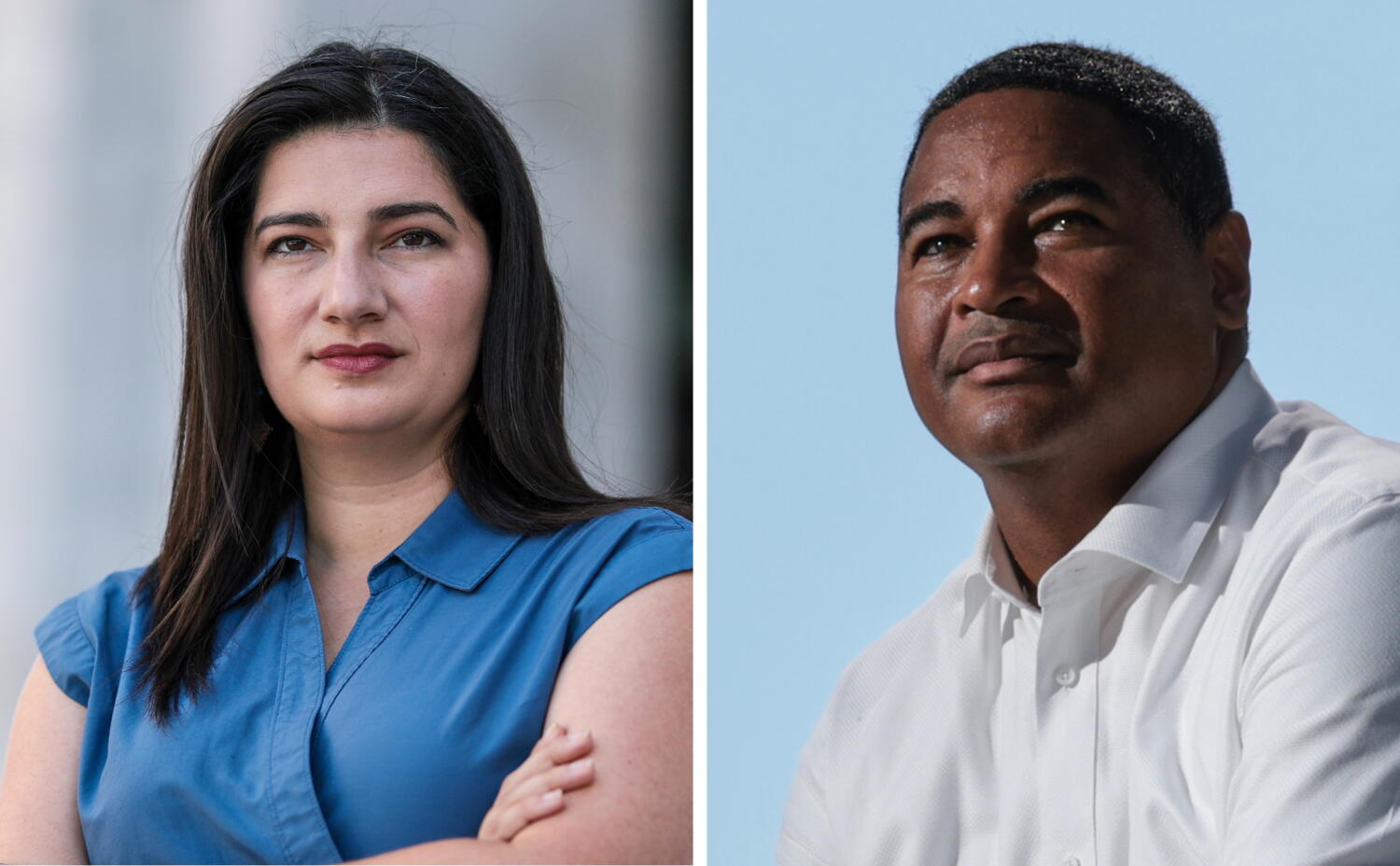
The race for Los Angeles City Attorney between veteran prosecutor John McKinney and progressive reformer Marissa Roy comes down to a fundamental clash over how the nation's second-largest city defines public safety and government accountability. Voters deciding between these two candidates are choosing between a traditional courtroom prosecutor focused on quality-of-life enforcement and a civil litigator aiming to turn City Hall's legal department into a shield for tenants, workers, and municipal transparency.
Most Angelenos ignore the down-ballot races until they are staring at their mail-in ballot at the kitchen table. That is a massive mistake. While the Mayor and the City Council dominate the local news cycle with grand speeches and public infighting, the City Attorney holds the actual legal levers that determine whether city policies survive court challenges, whether slumlords face criminal charges, and how hundreds of millions of taxpayer dollars are spent settling police misconduct lawsuits.
The Dual Nature of a Massive Legal Machine
To understand why this contest matters, you first have to look at the sheer scale of the office. Unlike almost any other major metropolis, Los Angeles splits its prosecutorial power. The District Attorney handles felonies—murders, major robberies, complex white-collar fraud. The City Attorney handles misdemeanors—petty theft, trespassing, domestic violence, driving under the influence, and municipal code violations.
That is only half the job.
The other half is serving as the general counsel for the entire municipal government. Imagine a law firm with roughly 1,000 employees, including more than 500 attorneys, tasked with defending the Los Angeles Police Department in federal civil rights suits, advising the Mayor on emergency homelessness declarations, and drafting the exact legal language for every ordinance passed by the City Council. Whoever sits in that chair controls both the sword of misdemeanor prosecution and the shield of municipal defense.
When the office operates poorly, the city bleeds cash. Over the past decade, Los Angeles has paid out hundreds of millions of dollars in legal settlements—ranging from catastrophic sidewalk trip-and-fall claims to high-profile police shootings. An aggressive, independent City Attorney forces city departments to fix systemic failures before they become expensive lawsuits. A compliant one simply signs off on bad policy and writes checks using public funds.
John McKinney and the Case for Courtroom Muscle
John McKinney enters this race with a resume built entirely inside the Los Angeles County District Attorney's office. For more than two decades, he prosecuted major crimes, eventually rising to become a senior trial prosecutor in the Major Crimes Division. He is perhaps best known to the broader public for securing the conviction of Eric Holder Jr. in the murder of rapper Nipsey Hussle, a high-profile case that required navigating intense media scrutiny and complex gang dynamics.
McKinney's pitch to voters is straightforward. He argues that Los Angeles is suffering from a breakdown in basic order, fueled by years of permissive policies that treat misdemeanor offenses as negligible inconveniences rather than serious threats to neighborhood stability.
His platform centers on several core pillars:
- Aggressive Quality-of-Life Enforcement: McKinney contends that chronic public drug use, aggressive panhandling, and repeat retail theft destroy the economic fabric of local business corridors. He wants to restore consistent misdemeanor prosecutions for repeat offenders.
- Accountability in Homelessness Policy: While acknowledging that housing is essential, McKinney insists that the city cannot allow public parks, sidewalks, and transit hubs to remain indefinitely occupied when shelter beds are available. He favors stricter enforcement of anti-camping ordinances alongside court-mandated addiction and mental health treatment.
- Institutional Independence: Having spent his career outside the immediate orbit of City Hall politics, McKinney positions himself as an outsider who will tell the Mayor and City Council "no" when their proposals violate state law or expose taxpayers to massive liability.
Critics from the progressive wing of the Democratic Party view McKinney's approach as a return to the failed "tough-on-crime" policies of the 1990s. They argue that cycling unhoused individuals and addicts through the misdemeanor court system does nothing to solve the underlying crises of poverty and untreated mental illness, while racking up millions in booking and incarceration costs. McKinney counters that failing to enforce the law has produced visible decay on city streets and eroded public trust in local government.
Marissa Roy and the Affirmative Litigation Blueprint
Marissa Roy represents a radically different vision of what a municipal legal office should do. A former Deputy Attorney General for the State of California and a leader at the progressive legal organization Equal Justice Society, Roy has spent her career on the civil side of the ledger, fighting corporate abuses, defending civil rights, and challenging administrative overreach.
Roy's central thesis is that the City Attorney's office has historically acted as a passive defender of the status quo—and worse, as an enabler of municipal dysfunction. She wants to pivot the department's massive resources away from low-level criminal prosecutions and toward affirmative litigation.
In practical terms, an affirmative litigation model means the city actively sues bad actors on behalf of its residents. Under Roy's blueprint, the office would aggressively pursue:
- Tenant Protection and Habitability: Filing civil enforcement actions against corporate landlords who illegally evict tenants, ignore severe building code violations, or illegally jack up rents in violation of the city's Rent Stabilization Ordinance.
- Wage Theft and Labor Abuses: Using municipal legal power to go after employers who systematically underpay low-wage workers or misclassify employees as independent contractors.
- Environmental Justice: Suing industrial polluters operating near low-income neighborhoods in South and East Los Angeles.
- Diversion Over Incarceration: Expanding pre-filing diversion programs so that individuals arrested for non-violent, poverty-driven misdemeanors are routed directly into social services rather than saddled with criminal records that prevent them from securing housing or employment.
Opponents of Roy's platform, including business groups and law enforcement unions, raise serious alarms about her lack of criminal trial experience. Running a massive misdemeanor prosecution unit requires intimate familiarity with the California Penal Code, rules of criminal procedure, and the daily realities of courtroom triage. Detractors argue that learning criminal prosecution on the job while managing hundreds of line prosecutors is a recipe for administrative chaos. Roy responds that the City Attorney is an executive leadership role, not a solo trial practice, and that seasoned deputies already handle day-to-day courtroom operations while the top official sets policy and manages institutional priorities.
Comparing the Two Visions
| Policy Area | John McKinney | Marissa Roy |
|---|---|---|
| Primary Background | Felony criminal prosecutor (LA County DA's Office) | Civil rights and state government litigator (CA DOJ) |
| Misdemeanor Philosophy | Consistent prosecution of repeat offenses to restore public order | Heavy reliance on diversion and restorative justice programs |
| Homelessness Approach | Enforce anti-camping laws paired with court-ordered treatment | Focus on tenant protections, eviction defense, and service outreach |
| Office Priority | Public safety, courtroom competence, and fiscal risk management | Affirmative civil litigation against landlords, polluters, and wage theft |
| LAPD Oversight | Defend lawful policing while enforcing clear departmental standards | Aggressive scrutiny of police misconduct and settlement transparency |
The Hidden Crisis Inside City Hall
Whoever wins this election inherits an office caught in the crossfire of Los Angeles's ongoing corruption and governance scandals. Over the past several years, federal prosecutors—not local officials—have been the ones exposing bribery, extortion, and pay-to-play schemes inside City Hall.
Why didn't the City Attorney catch it first?
That is the question neither candidate can afford to brush aside. Under the City Charter, the City Attorney is supposed to provide ethics advice to elected officials and enforce municipal campaign finance and lobbying laws. Yet for years, the office operated with an inherent conflict of interest. Because the City Attorney is an elected politician who often relies on endorsements and fundraising networks overlapping with the City Council and the Mayor, aggressive internal policing has historically been rare.
Consider a hypothetical example of how this tension plays out in real time. Suppose a City Council member pushes through a lucrative real estate development variance after receiving bundled campaign contributions from the developer's associates. The City Attorney's office is asked to sign off on the legality of the zoning change. A politically cautious City Attorney looks strictly at the technical zoning paperwork and stamps it approved, ignoring the glaring ethical red flags. An independent City Attorney flags the conflict, demands an immediate Ethics Commission review, and refuses to shield the council member if federal investigators come knocking.
Both McKinney and Roy claim they will restore public integrity, yet their structural incentives differ. McKinney relies heavily on his reputation as an apolitical career prosecutor who has never run for partisan office or traded favors with City Hall insiders. Roy points to her background in state-level institutional oversight and pledges strict transparency regarding legal settlements and outside contracting.
The Liability Trap and Taxpayer Money
Another critical factor largely absent from campaign mailers is the escalating cost of municipal liability. Every year, the City Council quietly approves millions of dollars in confidential or minimally debated payouts to settle lawsuits brought against the city.
These payouts fall into two primary buckets:
- Police Misconduct and Excessive Force: High-profile incidents involving LAPD officers routinely result in multi-million-dollar settlements. The City Attorney's office decides whether to fight these cases in federal court—risking even larger jury verdicts—or settle early.
- Infrastructure Failures: Broken sidewalks, poorly maintained roadways, and dangerous intersections generate a steady stream of personal injury claims.
A veteran City Attorney has the data to spot patterns before they become financial disasters. If a specific LAPD division is generating a disproportionate number of excessive force claims, or if a particular stretch of boulevard sees repeated fatal crashes, the City Attorney has the authority to issue formal risk-management directives to department heads.
McKinney argues that his decades of trial experience give him a sharp eye for evaluating courtroom risk, ensuring the city neither caves to frivolous lawsuits nor wastes money fighting unwinnable cases. Roy argues that true liability reduction requires addressing the root causes—reforming police use-of-force policies and forcing city agencies to comply with federal disability and safety mandates rather than endlessly paying off victims after the fact.
What Voters Actually Need to Weigh
Stripped of campaign slogans and endorsements, the choice between John McKinney and Marissa Roy comes down to what you believe is currently broken in Los Angeles.
If you look at the city and see an urgent crisis of street-level disorder, open-air drug markets, and a justice system that has lost its deterrence power, John McKinney aligns with that diagnosis. He offers traditional prosecutorial rigor, deep familiarity with criminal courtrooms, and a commitment to enforcing existing laws on the books. The risk with McKinney is that a heavy focus on misdemeanor enforcement could strain county jail capacity and divert legal resources away from holding powerful corporate and institutional actors accountable.
If you look at Los Angeles and see an affordability crisis driven by predatory landlords, stagnant wages, environmental neglect, and an entrenched City Hall bureaucracy that protects itself at the expense of working families, Marissa Roy represents that corrective force. She brings a modern, activist legal strategy designed to use the city's immense legal firepower against systemic economic exploitation. The risk with Roy is that de-emphasizing traditional misdemeanor prosecutions could alienate frustrated residents and small business owners who feel abandoned when dealing with chronic street crime and property damage.
The Reality of the Office
Neither candidate will single-handedly solve homelessness, eliminate crime, or purge corruption from Los Angeles politics. The City Attorney cannot build housing, hire police officers, or pass budgets. What the office can do—and what makes this race vital—is set the legal boundaries of what is tolerated in the city.
Every misdemeanor filing decision, every civil enforcement lawsuit against a negligent landlord, and every legal opinion handed to the City Council shapes the daily reality of four million people. Look past the party labels, ignore the generic endorsements, and decide which legal weapon you want the city wielding for the next four years.