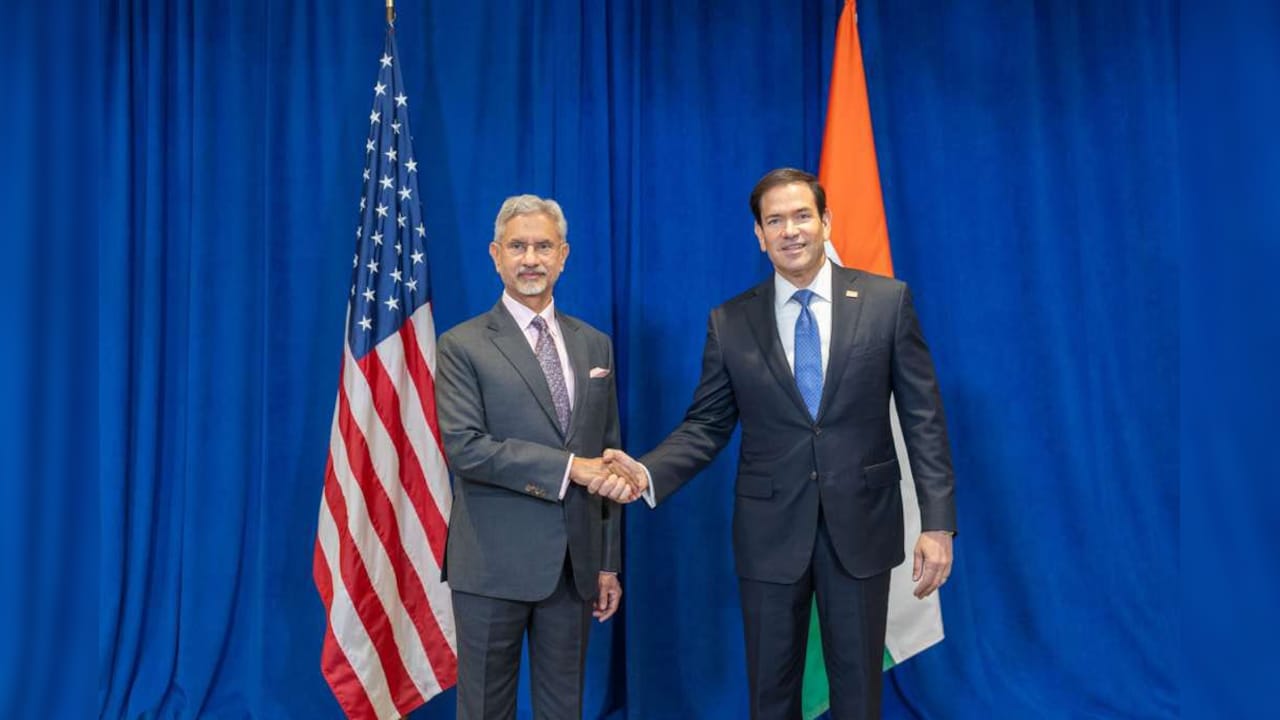
Foreign policy rarely shifts on grand, sweeping proclamations. Instead, diplomatic architectures are quietly built or fractured in sterile conference rooms, far away from public view, where ministers trade terms over tariff lines and strategic positioning. When Indian External Affairs Minister Subrahmanyam Jaishankar met with United States Secretary of State Marco Rubio in New York, the diplomatic chatter focused heavily on mutual interests and cooperative frameworks. Yet beneath the polished communiques lies a much more demanding reality. New Delhi and Washington are currently engaged in a high-stakes negotiation process that forces both capitals to confront hard choices regarding trade architecture, regional stability in the Indo-Pacific, and defense autonomy.
For decades, the standard playbook for India-US relations relied on broad strokes of shared democratic values and a common concern over rising geopolitical imbalances in Asia. That generalized philosophy no longer suffices. Modern statecraft requires granular execution. When Jaishankar noted that bilateral engagement remains sustained and positive, seasoned analysts understood the subtext. The easy work of strategic alignment has largely been completed. What remains are the abrasive, granular friction points—specifically trade barriers, technology transfer restrictions, and differing views on secondary security partnerships. Discover more on a connected issue: this related article.
Consider the mechanics of the ongoing trade talks. Crafting a sustainable economic arrangement between two massive economies requires parsing through thousands of individual tariff lines. There is no room for shortcuts. As Jaishankar pointed out regarding the painstaking nature of these discussions, managing bilateral commerce means diving deep into regulatory minutiae that rarely makes front-page news but dictates industrial survival. When political leadership demands instant breakthroughs, they often ignore the bureaucratic reality that true bilateral integration requires ironing out conflicting domestic subsidies, intellectual property protections, and market access thresholds.
Simultaneously, the strategic imperative of the Quad framework looms large over every interaction between Indian and American officials. The Indo-Pacific strategy is not merely an abstract concept for maritime security; it is an active logistical puzzle. Washington wants predictable, synchronized deterrence capabilities across maritime choke points. New Delhi, fiercely protective of its strategic autonomy, insists on maintaining independent operational parameters and multi-alignment credentials. This tension is not a sign of failure; it is the natural byproduct of two sovereign entities attempting to synchronize their national security trajectories without surrendering sovereign decision-making. Additional reporting by Al Jazeera delves into related views on this issue.
The domestic political landscapes in both countries add another layer of complexity. In the United States, economic protectionism and domestic manufacturing priorities continually pressure trade representatives to extract maximum concessions. In India, protecting domestic agricultural sectors and micro-enterprises remains an absolute red line. Navigating these opposing domestic pressures requires immense diplomatic skill. Leaders cannot simply sign agreements that compromise core constituencies at home. Consequently, negotiations frequently stall, accelerate, and stall again, frustrating observers who mistake diplomatic friction for permanent estrangement.
Observing this dynamic reveals a clear trajectory. The relationship has moved past the honeymoon phase of symbolic handshakes and joint congressional addresses. It has entered a mature, transactional era where every concession is measured against strict national interest metrics. India is no longer looking for validation from Western capitals; it is demanding parity, reciprocal market access, and unhindered access to critical dual-use technologies. Washington, recognizing India's indispensable role in regional balance, must increasingly accommodate New Delhi's refusal to act as a junior partner in any security coalition.
Ultimately, the meeting between Jaishankar and Rubio in New York serves as a symptom of this ongoing recalibration. The public statements offer reassurance of partnership, but the real work happens in the silent spaces between meetings—where bureaucrats calculate the cost of compromise and strategists weigh the price of independence. As both nations inch closer to finalizing long-delayed economic frameworks, the ultimate test will not be whether they can agree on broad regional goals, but whether they possess the domestic political will to swallow the bitter pills required to institutionalize a lasting partnership.
Jaishankar meets US Secretary of State Rubio, calls India-US engagement “sustained and positive”
This video from the search results provides the primary broadcast coverage and visual context of External Affairs Minister S. Jaishankar's diplomatic engagement with U.S. officials regarding bilateral ties.