When state biologists applied a chemical compound called rotenone to Stormy Lake in Southcentral Alaska, they were not just managing a fishery. They were executing a brutal biological reset. Decades earlier, someone dropped a handful of northern pike into waters where they did not belong. Those apex predators multiplied, devoured the native trout, char, and juvenile salmon, and turned a thriving ecosystem into a monoculture of razor-toothed jaws.
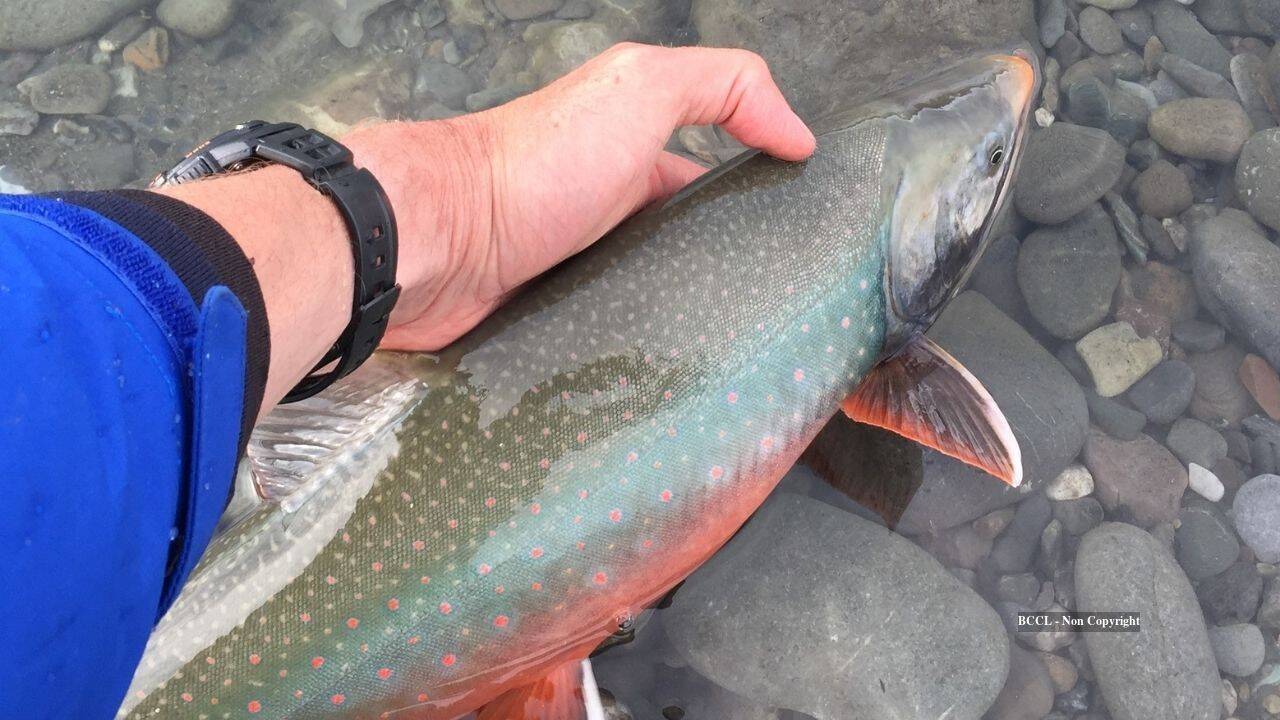
The eradication of those invasive pike required wiping the slate clean. Every fish in the lake had to die so that the native species could live again. Once post-treatment surveys confirmed the pike were completely gone, the long process of biological reconstruction began. State hatcheries introduced 6,836 Arctic char fingerlings back into the pristine waters, marking a pivotal chapter in Alaska's quiet, high-stakes war against aquatic invaders.
The Anatomy of an Ecological Collapse
Northern pike are ambush hunters built for maximum destruction in shallow, weed-choked waters. In their native ranges across interior and western Alaska, they share an evolutionary balance with other species. But when illegally introduced to the Kenai Peninsula and the Matanuska-Susitna Borough during the mid-twentieth century, they encountered naive prey.
Native species like Arctic char, rainbow trout, and coho salmon had no historical defenses against a voracious predator with the physical dimensions and speed of a pike. The consequences were swift. Within a few short years, vibrant sport fisheries were reduced to ghost waters.
Worse yet, pike do not stay put. As regional hydrology changes and temperatures creep upward, these fish exploit connected streams and wetlands, expanding their territory into critical salmon nurseries. Commercial fishermen and wildlife managers watched with mounting alarm as entire drainages began to empty. The invasion stopped being a local nuisance and turned into a systemic threat to the state's iconic salmon runs.
The Rotenone Reckoning
Stopping the spread meant confronting an uncomfortable reality. There are only two ways to completely eliminate an established population of fish from an enclosed water body: drain it entirely or use a piscicide. Draining a four-hundred-acre lake is physically impossible. That left rotenone, a naturally occurring compound derived from the roots of tropical bean plants.
Rotenone works by interfering with cellular respiration in the gills of fish, blocking their ability to absorb oxygen from the water. To environmental purists, pouring a chemical poison into a wilderness lake sounds like ecological vandalism. Fisheries scientists view it differently.
The chemical breaks down rapidly when exposed to sunlight and warm water, usually degrading into harmless byproducts within weeks. It leaves no long-term toxic residue in the sediment. It is a blunt instrument, to be sure, killing every gill-breathing organism in its path. Yet it remains the only clinically proven scalpel available to wildlife managers trying to excise an invasive cancer from a freshwater system.
Before applying the treatment, field crews scramble to net and rescue desirable native species whenever possible, holding them in temporary off-site refuges. Once the poison does its work and completely dissipates, the multi-year rebuilding phase begins.
Rebuilding from the Hatchery Up
Restocking a sterilized lake is not as simple as dumping buckets of fish over the side of a boat. Genetic integrity dictates every move. The Arctic char returned to Stormy Lake were not generic fish pulled from a random state facility. Biologists had harvested eggs from the native char population before the rotenone treatment, raising their progeny in specialized hatcheries like the William Jack Hernandez Sport Fish Hatchery in Anchorage.
These hatchery-reared fingerlings carried the exact genetic blueprint required to survive the specific limnological conditions of the Swanson River watershed. Introducing foreign strains of fish can ruin local adaptations built over millennia.
Even after the 6,836 char fingerlings went into the water, the road to recovery remained long. Arctic char grow notoriously slowly and exhibit low population densities. State regulators immediately slapped strict catch-and-release rules and seasonal closures on the lake to prevent anglers from wiping out the juveniles before they could reach sexual maturity and spawn. Monitoring crews spent years returning to the lake with gillnets and electrofishing gear, checking length frequencies and confirming that a new generation was successfully reproducing on its own.
The Endless Border Patrol
Eradicating pike from individual lakes like Stormy Lake represents tactical success, but the broader strategic war is far from won. Recent discoveries have shattered the comforting illusion that lakes are isolated fortresses. Biologists documented northern pike utilizing the brackish, marine waters of Cook Inlet to travel between different freshwater drainages.
That revelation changed everything. If apex predators can swim through saltwater to invade new river systems, traditional watershed barriers and upstream fish gates lose their protective power.
Wildlife agencies now find themselves playing an expensive, high-stakes game of ecological whack-a-mole. Every time an illegal introduction occurs in a remote backcountry pond, crews must weigh the immense public cost of a rotenone operation against the silent, cascading collapse of local biodiversity. The return of thousands of Arctic char to a single rehabilitated basin proves that wounded ecosystems can bounce back, but only if human intervention is swift, uncompromising, and willing to embrace drastic measures.