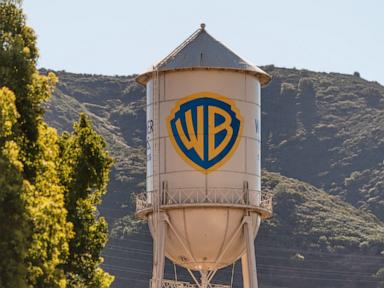
The Writers Guild of America has fired a massive legal broadside at Paramount’s proposed 111 billion dollar acquisition of Warner Bros. Discovery, signaling that labor is no longer willing to let corporate consolidation quietly erode the entertainment industry. Filed in the Northern District of California, the federal lawsuit argues that merging two of the final five legacy film and television studios will trigger a devastating monopsony—a market with only one major buyer. For creative professionals already reeling from years of structural contraction, this case is not just about blocking a corporate transaction; it is a desperate stand to preserve the very possibility of middle-class creative careers.
Why the WGA is Taking the Fight to Federal Court
The core argument of the lawsuit centers on a concept economists call buyer power. When studios merge, the number of potential employers shrinks, leaving writers with fewer bidders for their scripts and pitch packages. The union contends that a combined Warner-Paramount would command over 30% of all writing jobs in film and episodic television, giving the conglomerate unprecedented leverage to dictate terms, slash compensation, and phase out riskier, original programming.
This is not a theoretical threat. Over the last decade, consolidation has systematically reduced the options available to creators. The 2019 Disney-Fox merger closed a major buyer of independent-leaning theatrical features and consolidated television production pipelines. The 2022 combination of Warner Bros. and Discovery was immediately followed by harsh cost-cutting, shelved projects, and removed library content. By bringing HBO, CBS, CNN, Warner Bros. Pictures, and Paramount+ under one roof, this new transaction would represent the ultimate corporate bottleneck.
The Antitrust Landscape Shifts Beneath Hollywood
For decades, the Department of Justice and federal courts evaluated mergers almost exclusively through the lens of consumer welfare. Under this doctrine, as long as a deal did not immediately raise consumer prices, it was generally waved through. But the legal tide has turned. Modern antitrust enforcement increasingly focuses on how corporate mega-mergers affect labor markets and supply chains.
The WGA lawsuit lands just twenty-four hours after twelve state attorneys general, led by California, filed a separate antitrust suit seeking a temporary restraining order to block the transaction. This coordinated resistance demonstrates that regulators and labor unions are aligned on a critical reality: consolidation harms workers just as deeply as it exploits consumers.
| Key Metric | Paramount-Warner Combined Entity |
|---|---|
| Estimated Enterprise Value | $111 billion (including debt) |
| Industry Market Share | Over 30% of writing employment |
| Consolidated Assets | HBO Max, CBS, Paramount+, CNN, Warner Bros., Paramount Pictures |
| Legal Opponents | WGA West, WGA East, and 12 State Attorneys General |
Paramount and its parent company, Skydance, have pushed back, arguing that a fortified studio is necessary to compete with tech giants like Apple and Amazon. They promise to preserve independent production deals and guarantee a robust slate of theatrical releases. To working writers, however, these promises feel like hollow corporate public relations.
The Human Cost of Corporate Monopsony
Behind the spreadsheets and antitrust filings is a highly vulnerable creative workforce. The historic 2023 strikes secured hard-fought protections regarding artificial intelligence and streaming residuals. Yet, those gains are meaningless if there are no active buyers left in town.
When a market contracts to a tiny handful of buyers, several systemic shifts occur:
- Pre-negotiated Scale: Writers are increasingly forced to accept minimum basic agreement scale pay, with little room to negotiate over-scale rates because there are no competing offers to use as leverage.
- The Death of the Overall Deal: The lucrative multi-year development deals that once sustained seasoned creators are being phased out in favor of short-term, gig-to-gig hiring.
- Homogenized Development: Large conglomerates prioritize established intellectual property over original ideas, severely limiting opportunities for emerging and diverse voices.
The federal court’s decision on whether to grant a preliminary injunction before the anticipated closing date of July 22 will likely shape the entertainment landscape for the next decade. If the merger proceeds, it will signal that Hollywood's transition from a creative ecosystem into a highly financialized oligopoly is complete. If the court pauses the transaction, it may finally establish that the people who write the stories have a legal right to a competitive market.

