The United States Treasury has initiated what it terms "Operation Economic Outcast," an aggressive financial campaign explicitly designed to push the Iranian economy into terminal collapse through total isolation. Treasury Secretary Scott Bessent unveiled the strategy, invoking wartime rhetoric to describe a multi-pronged assault on Tehran's remaining commercial lifelines, including digital assets, gold reserves, and its clandestine shipping networks. Yet, beneath the martial bravado of economic D-Day analogies lies a complex diplomatic tightrope walk. Washington faces immense hurdles in convincing major foreign buyers—most notably Beijing—to completely sever ties with a regime that has spent decades perfecting the art of sanctions evasion.
For months, the macroeconomic indicators inside Iran have flashed red. The rial has plummeted to historic lows, inflation has decimated household purchasing power, and an ongoing naval blockade has throttled traditional trade channels. The administration's calculation is straightforward: by widening secondary sanctions risks to any entity facilitating money laundering or oil monetization, Tehran will be starved of the hard currency required to fund its security apparatus and proxy networks. For another perspective, read: this related article.
However, translating broad threats into hard compliance presents structural contradictions. During a press conference in Washington, Bessent defended the decision to hold off on immediate, sweeping secondary sanctions against countries like China, Turkey, and the United Arab Emirates. Instead, the Treasury opted for a warning shot approach, granting unspecified compliance timelines to avoid accidentally destabilizing the wider global financial architecture.
"Why would I want to blow up the global financial system?" Bessent asked reporters, highlighting the inherent limits of maximum pressure campaigns. Similar reporting regarding this has been shared by Al Jazeera.
This caution reveals the core vulnerability of the White House strategy. Total financial exclusion sounds absolute on paper, but global commodities markets are notoriously porous. China historically purchases the vast majority of exported Iranian crude, rerouting shipments through complex shell company webs and ship-to-ship transfers on the high seas. While the Treasury has mapped thousands of these nodes, new shadow entities emerge faster than administrative enforcement actions can process them.
To understand why this latest offensive might differ from past iterations, one must look at the diplomatic theater unfolding behind closed doors. President Donald Trump has taken personal control of the outreach, calling foreign leaders directly to demand cooperation. Early indicators suggest this personalist diplomacy yields mixed, uneven results. The United Arab Emirates recently suspended commercial exchanges with Iran, a geopolitical shift driven as much by immediate security calculations following regional missile exchanges as by Washington's coaxing.
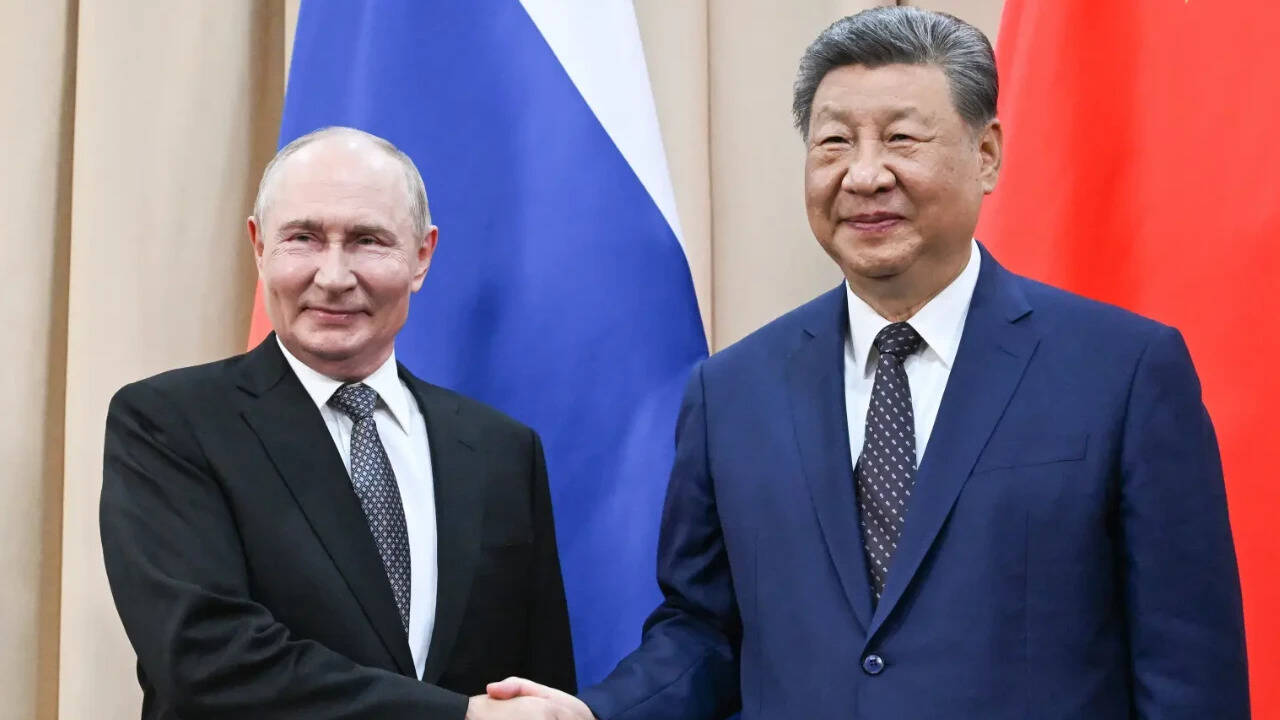
Conversely, major Asian importers view these American ultimatums through the prism of their own energy security and geopolitical independence. Chinese President Xi Jinping faces a scheduled diplomatic visit to Washington, setting up a high-stakes confrontation over whether Beijing will curtail its clandestine purchases of discounted Iranian oil. If Beijing absorbs the warnings without altering its purchasing habits, the Treasury's grand architecture of isolation risks looking toothless.
Iran’s domestic leadership has predictably dismissed the announcement as empty theater, arguing that decades of economic warfare have hardened their institutional machinery against external shocks. Iranian officials maintain that alternative payment channels, barter systems, and localized trade agreements with regional neighbors insulate them from total collapse.
Yet, veteran sanctions watchers note that this time, the convergence of physical blockades, targeted destruction of domestic industrial sectors, and aggressive targeting of crypto-asset rails leaves the regime with vanishingly narrow margins for error. The state can no longer rely on traditional loopholes that once kept its petroleum revenues flowing freely.
The clock is ticking down on the grace periods offered by the Treasury. If foreign capitals treat the latest warnings as negotiable suggestions rather than absolute mandates, Operation Economic Outcast will devolve into yet another symbolic gesture. Should Washington enforce its secondary penalties without regard for diplomatic blowback, the fallout will test the resilience of global supply chains as winter approaches.