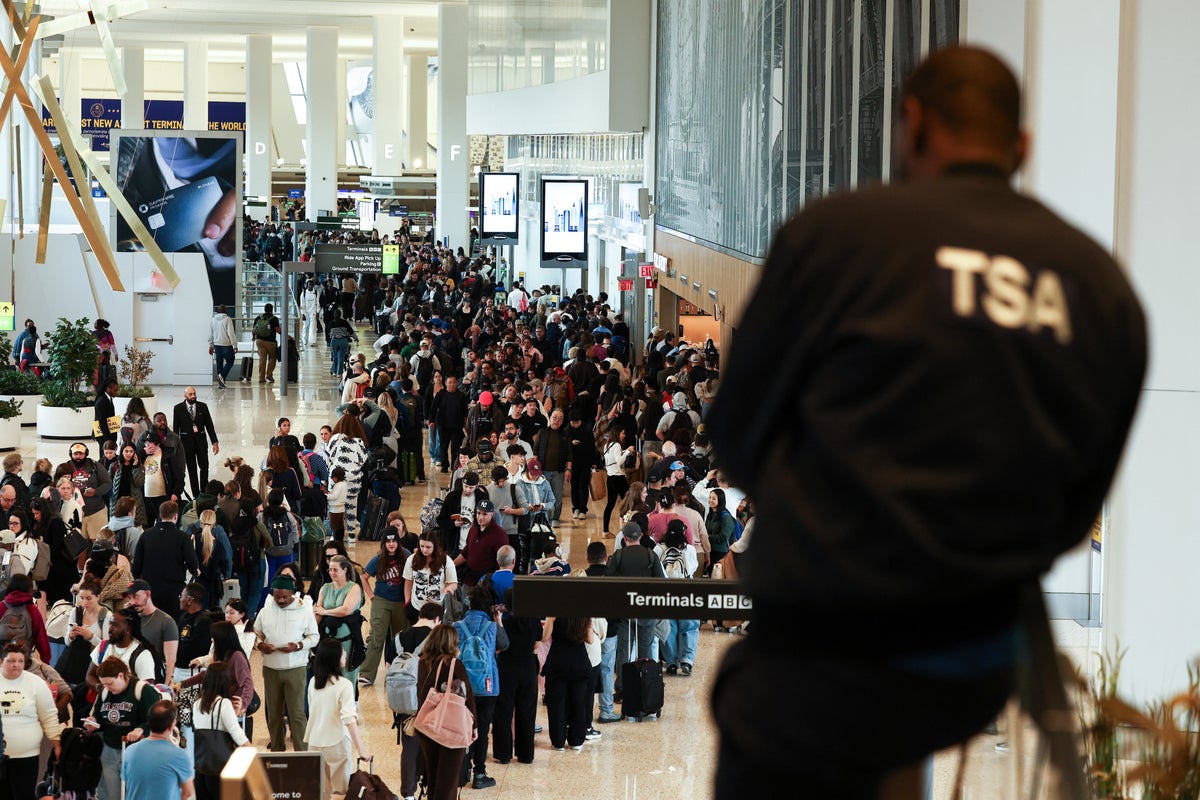
The global aviation industry is currently locked in a high-stakes confidence game with the traveling public, masking a systemic fuel supply failure beneath a veneer of stable flight schedules. While casual onlookers point to minor, single-digit flight cancellation rates as proof that summer travel plans remain secure, the reality is far more fragile. The de facto closure of the Strait of Hormuz following the outbreak of the Iran conflict has choked off approximately 40% of Europe’s jet fuel imports and sent international kerosene prices soaring toward $1,400 per metric ton. Airlines are not facing a simple consumer shift toward train travel; they are confronting structural inventory depletion that could trigger severe airport-level rationing and massive schedule consolidations by mid-summer.
To keep the flying public from freezing in the headlights, carriers are quietly rewriting their economic playbooks, burning through emergency stockpiles, and absorbing unprecedented logistical premiums. The crisis is moving faster than the industry’s ability to adapt, exposing the profound vulnerability of just-in-time fuel supply chains that underpin modern global transit. If you enjoyed this piece, you should read: this related article.
The Anatomy of an Inventory Drain
Jet fuel, commercially graded as Jet A-1, is a highly refined kerosene product that operates on an incredibly tight logistics loop. Unlike crude oil, which can sit in strategic reserves for months, refined aviation fuel flows continuously from specialized refineries to airport fuel farms via dedicated pipelines and maritime tankers. The shutdown of the Strait of Hormuz abruptly severed this artery.
International Energy Agency data indicates that Western European inventories have rapidly dwindled, with multiple nations now holding under 20 days of operational fuel coverage. Historical data reveals that aviation networks have not seen stockpiles drop below a 29-day threshold since the 2020 pandemic disruptions. If localized airport storage dips below 23 days, the physical mechanics of the fuel distribution system begin to break down, forcing immediate, localized flight cancellations regardless of consumer demand. For another angle on this story, refer to the recent update from National Geographic Travel.
To bypass the blocked Middle Eastern waterways, maritime shipping lines have resorted to re-routing tankers around the Cape of Good Hope. This detour adds thousands of miles and weeks of extra sailing time to every voyage, introducing a massive lag in supply delivery. Ocean freight giants have reported that these extended routes are adding upward of $500 million a month in compounding operational costs.
Even when crude oil successfully reaches Western ports through alternative channels, a secondary bottleneck emerges at the refining level. European refiners are already operating at peak capacity and lack the specialized infrastructure to process significantly higher volumes of aviation kerosene on short notice. The physical capacity to close the supply deficit simply does not exist domestically.
The Refiner Complexity Trap
A common misconception is that energy-independent regions are entirely insulated from this shockwaves. The United States, despite being a net exporter of crude oil, finds its own domestic Jet-A supply hovering at a critical 45-day level, far below its traditional 105-to-150-day baseline. This paradox exposes the rigid, unyielding nature of global refining infrastructure.
[Domestic Light Sweet Crude] ───► Cannot be easily processed by US Gulf Refineries
                                        │
                                        ▼ (Requires 3-5 year retrofitting)
[Imported Middle Eastern Heavy] ──► Blocked by Strait of Hormuz Closure ──► Supply Deficit
American refineries along the Gulf Coast were structurally engineered decades ago to process heavy, sour crude grades traditionally imported from the Middle East. They are fundamentally incompatible with the light, sweet crude produced by domestic fracking operations. Petroleum engineering experts estimate that reconfiguring these multi-billion-dollar refining complexes to accept domestic light crude would require three to five years of aggressive capital investment. Consequently, Western carriers cannot simply "buy American" to escape a Middle Eastern supply crunch. The final tankers carrying compatible crude docked on the US West Coast weeks ago; no further shipments are scheduled while the conflict persists.
The Secret Flight Slashes and Slot Manipulation
Faced with a mounting fuel deficit, airlines have quietly eliminated over 13,000 flights from global schedules, choosing to cut capacity pre-emptively rather than risk highly publicized, chaotic strandings at the terminal gates. These cuts are targeted and strategic. Carriers are aggressively consolidating routes that feature duplicate departures on the same day, squeezing passengers from three half-empty flights into a single, completely full aircraft.
This consolidation strategy has been explicitly enabled by regulatory intervention. Under standard international aviation law, carriers operate under a strict use-it-or-lose-it rule, which dictates that an airline must utilize at least 80% of its allocated airport slots during a season to retain them for the following year. In response to the current fuel emergency, governments have moved to introduce temporary slot flexibility measures. These emergency allowances permit airlines to drop frequencies on high-density routes without facing the financial penalty of losing their permanent take-off and landing rights.
While this prevents empty "ghost flights" from burning precious fuel just to satisfy regulatory metrics, it simultaneously reduces consumer choice, increases airport terminal crowding, and removes the scheduling flexibility that business travelers rely upon.
The Failure of Alternative Routes and Options
The narrative that passenger rail can seamlessly step in to absorb the displaced demand of an aviation fuel crisis is fundamentally flawed. While high-speed rail networks across France, Germany, and Spain offer viable alternatives for specific domestic city-pairs, they completely lack the cross-border capacity, infrastructure, and geographical reach required to replace international aviation corridors. A train cannot bridge the Atlantic, nor can it efficiently move millions of holidaymakers from Northern European industrial centers to Mediterranean island resorts during a compressed summer window. Rail networks are already running near peak utilization; they cannot scale up operations overnight to accommodate a sudden influx of millions of displaced airline passengers.
Similarly, the aviation industry's much-vaunted savior, Sustainable Aviation Fuel (SAF), has proven entirely irrelevant in mitigating the current supply shock. Despite pressure from various market factions to relax mandates or aggressively ramp up blending to offset fossil kerosene shortages, the European Commission's recent crisis guidance left the existing SAF frameworks completely unchanged.
+-----------------------------------+-----------------------------------+
| SAF Reality Constraints           | Impact on Current Fuel Crisis      |
+-----------------------------------+-----------------------------------+
| Global production is less than 1% | Cannot scale to replace fossil    |
| of total aviation fuel demand.    | kerosene deficits this summer.    |
+-----------------------------------+-----------------------------------+
| Severe production bottlenecks and | Cost-prohibitive; cannot bypass   |
| feed-stock scarcity.              | structural airport fuel lines.    |
+-----------------------------------+-----------------------------------+
SAF accounts for less than 1% of global commercial aviation fuel consumption. It remains an experimental, supply-constrained drop in an ocean of demand, incapable of being scaled rapidly enough to address a sudden geopolitical blockade.
The Financial Paradox Facing Travelers
For the consumer, the economics of this fuel crisis have triggered an unexpected, counterintuitive market reaction. While long-haul international ticket prices have climbed sharply due to direct fuel surcharges, short-haul European airfares have actually plummeted. Financial analysis of major European flight routes reveals that fares for peak-season summer trips to the Mediterranean have dropped by up to 44% on dozens of core corridors.
This pricing collapse is driven by consumer panic. Repeated public warnings regarding fuel rationing and potential systemic cancellations have caused a sharp freeze in late-season vacation bookings. Travelers are hesitating, shorten their booking windows, and opting for staycations out of fear of being stranded abroad.
To counter this demand destruction and stimulate immediate cash flow, low-cost carriers are aggressively discounting seats for the early summer months. Airlines are engaged in a high-stakes gamble: they are lowering ticket prices to lure nervous passengers back to the booking screen, even as the baseline cost of fueling those exact flights continues to double.
This creates a highly volatile environment for the consumer. Those who take advantage of the current discount fares are entering an operational lottery. They are purchasing cheap tickets from airlines that are currently operating with single-digit day counts of fuel visibility, hoping that geopolitical diplomatic interventions or emergency supply re-routing will outrun the physical depletion of the airport fuel tanks.
Airlines are taking extreme measures behind the scenes to keep planes fueled. Some are resorting to a practice known as fuel tankering—filling an aircraft with twice the necessary fuel at an airport where supplies are secure, so it does not have to refuel at a shortage-plagued destination. However, carrying this immense deadweight significantly increases the plane's overall fuel burn, driving up total emissions and operating costs while accelerating the industry's aggregate fuel consumption. It is a desperate, short-term fix that compounds the very scarcity it tries to circumvent.
The aviation grid is currently functioning on borrowed time and rerouted tankers. The apparent stability of current summer flight schedules is not an indicator of supply resilience; it is a temporary structural buffer provided by fast-depleting localized inventories and emergency regulatory interventions. If the maritime blockades in the Middle East extend past the next six weeks, the industry's ability to maintain this optical illusion will end, forcing a hard pivot from discounted tickets to systemic cancellations. Passengers are not transitioning to an era of leisurely train travel; they are heading toward a stark reduction in global mobility.