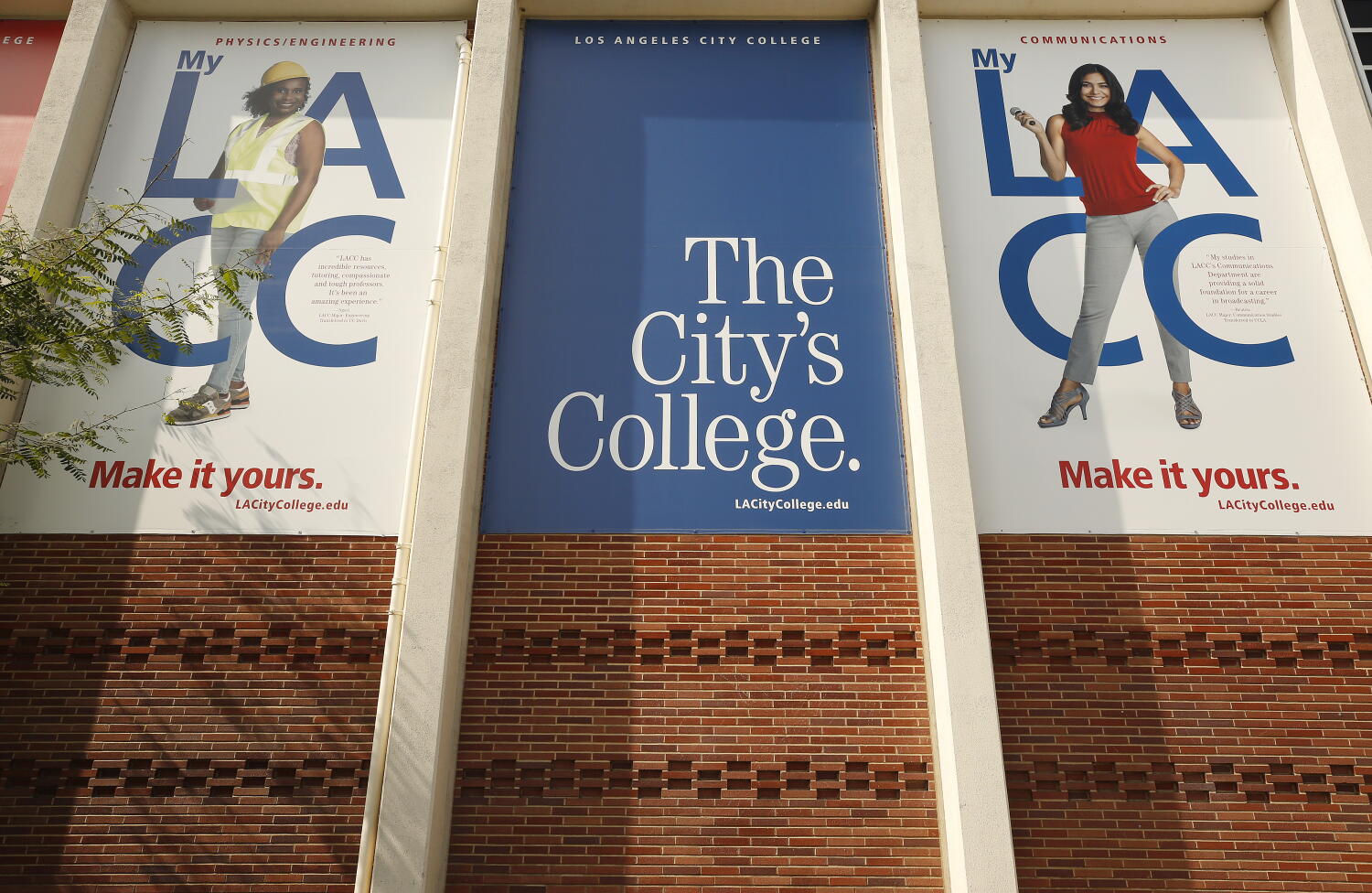
Candidates running for the Los Angeles Community College District (LACCD) Board of Trustees have built their platforms around fixing student housing, expanding job training, and funding basic needs like food and childcare. Yet across the nine-campus system—which serves more than 200,000 students on a $9.9 billion budget—the gap between campaign promises and on-the-ground execution remains wide. According to LAist, nearly 1 in 5 LACCD students experienced homelessness over the past year, and more than half live at or below the poverty line. Meanwhile, campaign data cited by Ballotpedia puts broader housing insecurity across the district as high as 70%.
Walk onto any campus from Pierce College in the San Fernando Valley to East Los Angeles College in Monterey Park, and the political rhetoric runs straight into bureaucratic friction. Trustees sit on an at-large board overseeing one of the largest community college districts in the country. Every election cycle, contenders for Seats 2, 4, and 6 pledge to turn these campuses into engines of upward mobility. However, delivering real relief requires untangling bond construction delays, federal immigration enforcement anxieties, and a regional labor market that moves faster than academic curriculum committees.
The $500 Million Housing Bottleneck
Money is rarely the stated problem in Los Angeles higher education. In 2022, voters approved Measure LA, a $5.3 billion property-tax-backed bond aimed at overhauling facilities and upgrading career training infrastructure across LACCD's nine colleges. Roughly $500 million of that bond was earmarked specifically for student housing.
Four years later, brick-and-mortar student housing on district land remains largely in the planning stages.
To bridge the gap, LACCD struck a partnership to place East Los Angeles College students into empty dorm beds at neighboring Cal State L.A. Incumbent trustee Gabriel Buelna noted in candidate responses to LAist that while the Cal State L.A. arrangement provided an immediate foothold, the district must accelerate construction on land it already owns at Pierce College and Los Angeles City College.
Building housing on public college land in California is notoriously slow. Environmental reviews, prevailing wage mandates, architectural approvals, and escalating material costs routinely stretch timelines by years. Critics and challengers have seized on this lag. For instance, Seat 6 candidate Randall Winston argued in his Ballotpedia platform that enrolling students is pointless if they drop out because they have nowhere to sleep, calling for faster delivery of affordable units at scale. Similarly, Buelna has called for strict public accountability—requiring published timelines, line-item budgets, and regular progress reports tracking actual beds built rather than intentions announced.
Even if every dollar of that $500 million goes toward construction, the math is unforgiving. Divided across 200,000 students, half a billion dollars builds only a fraction of the beds required to house the tens of thousands of students sleeping in cars, on couches, or in temporary shelters. Trustees must decide how to balance capital construction against immediate emergency rental grants, rapid-rehousing partnerships, and campus parking-lot safe-parking programs.
Basic Needs Beyond the Food Pantry
When a student works two minimum-wage jobs while raising children, a free bag of groceries helps, but it does not solve the structural emergencies that force dropouts. Over the last decade, LACCD campuses have rolled out food pantries, transit passes, and emergency micro-grants. Yet candidates across the political spectrum acknowledge that the current safety net is fragmented.
In the race for Seat 2, incumbent Steven F. Veres pointed to his 13-year tenure, highlighting expanded tuition-free college programs, campus food pantries, and emergency housing initiatives. His challenger, Adriana Cabrera, argued for a "No Wrong Door" model. Rather than forcing overwhelmed students to hunt down separate offices for financial aid, food assistance, and legal help, Cabrera proposed embedding wrap-around services directly into routine campus operations. Her platform emphasizes on-campus legal workshops covering tenant rights, wage theft, immigration, and credit protection, alongside expanded evening and weekend childcare for student parents.
Other contenders point to hidden costs that rarely make headlines:
- Course materials and tools: Vocational students in welding, automotive repair, culinary arts, and nursing often face hundreds of dollars in mandatory gear and licensing fees not covered by basic tuition waivers.
- Transportation gaps: While free transit passes exist, bus routes across sprawling Los Angeles County frequently turn a 15-mile commute into a two-hour ordeal, cutting into work hours and study time.
- Childcare deserts: Evening and weekend classes are essential for working adults, yet campus childcare centers overwhelmingly operate on standard daytime schedules.
In Seat 4, candidate Priscilla Umana—an educational American Sign Language interpreter—emphasized in her Ballotpedia profile that affordability and accessibility also require removing communication and disability barriers so students are not quietly pushed out of classrooms before they ever reach graduation. Meanwhile, fellow Seat 4 candidate Adam Bruno told LAist that declining enrollment stems directly from survival pressures, urging expanded direct grants alongside campus protections.
The Workforce Pipeline Disconnect
Community colleges have always carried a dual mandate. They prepare students to transfer to four-year universities like UCLA or Cal State Northridge, and they train workers directly for regional industries. In Los Angeles, where healthcare, green energy, logistics, entertainment, and construction constantly demand skilled labor, trustees face pressure to prove that degrees lead to living-wage jobs.
The district already runs targeted workforce collaborations. At Los Angeles Southwest College, for example, the Careers for a Cause program pairs an eight-week training curriculum and stipends with direct job placement in homeless and social services. County-backed initiatives like HireUP link housing-insecure adults to paid skills training and full-time union career pathways. Across the district, candidates agree these models work. They disagree on why they remain boutique programs rather than the standard student experience.
In the crowded seven-candidate race for Seat 4—featuring Darryn Harris, Nancy Pearlman, Elaine Alaniz, Adam Bruno, Priscilla Umana, Isidro Armenta, and Jason Aula—the central debate revolves around speed and industry alignment. Getting a new vocational certificate approved through academic senates and state regulators can take years. By the time a curriculum launches, industry software, equipment, or certification standards may have already shifted.
Candidates have proposed distinct fixes for this bottleneck:
- Paid work-based learning: Veres has emphasized expanding paid internships and union apprenticeships so students do not have to choose between earning a paycheck and gaining industry credentials.
- In-language career education: Buelna highlighted his work backing Assembly Bill 1096, which allows California community colleges to offer credit and noncredit courses in languages other than English without forcing students into concurrent English-as-a-Second-Language classes first. Expanding in-language career pathways opens high-demand trades to Los Angeles' massive multilingual workforce.
- Entrepreneurship and local procurement: Cabrera has argued that with a $9.9 billion institutional budget, LACCD should operate business incubators across all nine campuses and track how much district procurement money actually flows back into local, student-launched enterprises.
Overlooked Pressures Inside the Classroom
While housing and job training dominate campaign mailers, trustees also govern sensitive operational realities that rarely fit on a yard sign.
Immigration enforcement has emerged as an urgent classroom issue. California enrolls more undocumented college students than any other state, with the vast majority attending community colleges. According to reporting by LAist, heightened federal immigration raids have upended campus life across LACCD. Some students have abruptly become the sole breadwinners for their households after a family member was detained, while others have retreated entirely into online classes out of fear of commuting to campus. Candidates like Bruno have called for strict rules barring federal immigration agents from stepping onto district campuses, alongside expanded legal defense resources.
At the same time, the district is wrestling with costly technology missteps. LACCD has spent roughly $4 million on artificial intelligence tools, including an existing student-facing chatbot that students and staff have criticized as outdated and prone to giving inaccurate academic advice. Trustees must oversee the rollout of a replacement system while ensuring automated tools do not replace human academic counselors—especially when missed course prerequisites already trap students in extra, expensive semesters.
Governance Reality Check
Understanding what a community college trustee can actually do requires looking past campaign slogans. A seven-member board sets policy, approves budgets, hires the chancellor, and oversees bond spending. Trustees do not teach classes, process financial aid applications by hand, or unilaterally override state construction codes.
Because LACCD trustees are elected at-large across a sprawling district spanning dozens of municipalities, campaigns require serious fundraising and institutional backing—often drawing heavy endorsements from labor unions and local political organizations. That structure creates an inherent tension. Board members must maintain strong relationships with faculty and staff unions while simultaneously pushing for faster curriculum updates, extended evening and weekend support hours, and stricter accountability metrics on housing delivery and job placement.
When voters evaluate promises on housing, food security, and career pipelines, the most revealing question is not whether a candidate supports those goals—every candidate does. The real test is whether they can force a $9.9 billion public bureaucracy to measure success by completed degrees, occupied student beds, and living-wage paychecks rather than press releases.