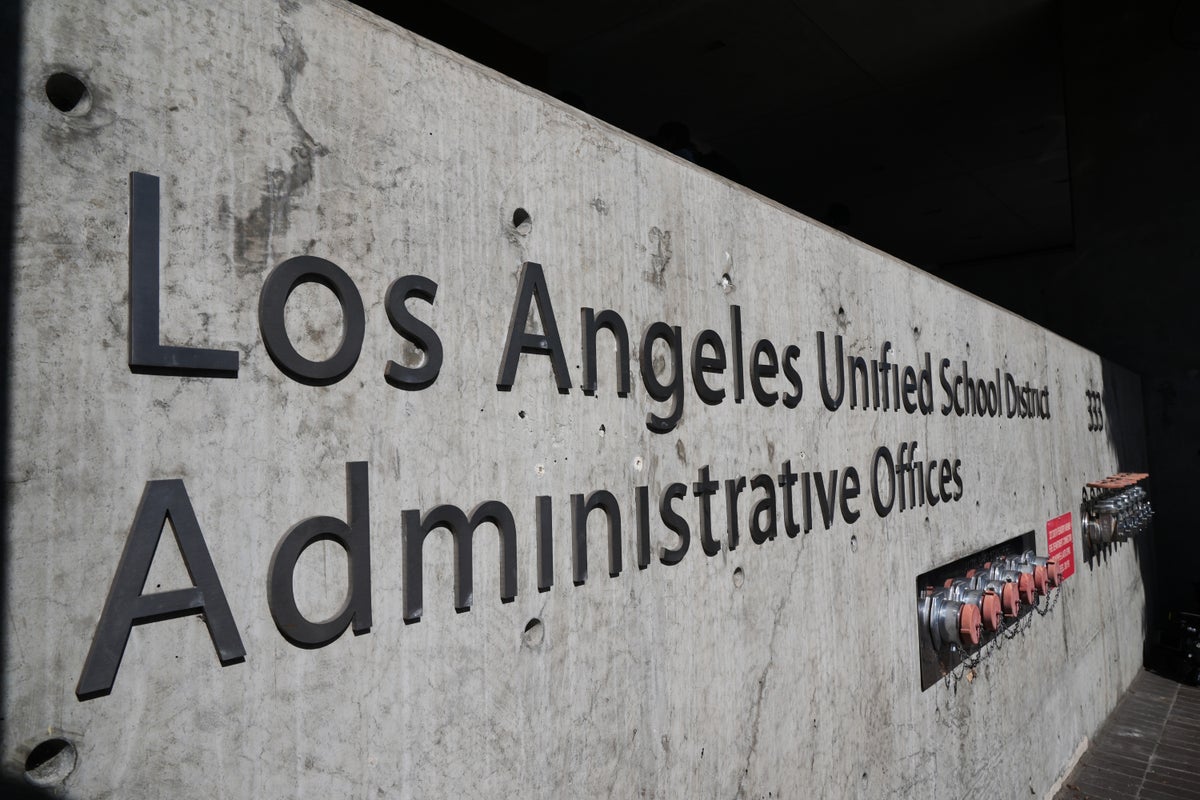
The Los Angeles Unified School District is currently defending itself in a high-stakes age discrimination lawsuit filed by a 70-year-old former Venice High School music teacher, Wendy Sarnoff, who claims relentless administrative bullying forced her resignation in 2023. In response to the employee's legal action, district lawyers have lobbed severe counter-allegations regarding the educator's classroom behavior, turning a standard employment dispute into a messy proxy war over institutional competence and teacher accountability.
Sarnoff, who spent decades inside the nation’s second-largest school system and chaired the Venice High music department, filed suit in late 2024. Her complaint paints a picture of systemic hostility. Younger administrators allegedly marginalized her, withheld critical technical training, and repeatedly pressured her to exit the profession. According to her filings, colleagues dismissed her requests for help with new computer grading systems by calling her "too old" and "hopeless". When her district-provided laptop was stolen, she alleges the administration refused to replace it, leaving her to crowd-fund a substitute device out of her own pocket.
Rather than quietly settling or offering a standard corporate defense, the district's legal team struck back with a barrage of internal misconduct findings designed to undermine the plaintiff's credibility entirely. Court documents filed by LAUSD attorneys allege that Sarnoff regularly berated her students. Transcripts and investigative summaries introduced by the district claim the veteran educator routinely labeled students "stupid," "idiot," and "not bright". More bizarrely, the district's filings state that Sarnoff once remarked to her class that the room smelled "like a French whorehouse" and instructed students that "if you can't sing The Star Spangled Banner you should die".
This scorched-earth defense strategy lays bare a recurring playbook utilized by massive public school bureaucracies facing civil rights complaints. When veteran educators file grievances alleging institutional discrimination, school districts frequently pivot from defending their administrative culture to character assassination. By weaponizing internal disciplinary findings—gathered right before a teacher’s departure—the institution shifts the narrative from a civil rights violation to a competency issue.
The legal timeline complicates both sides. Sarnoff’s attorneys note that the administrative pressure campaigns began years prior, escalating sharply around 2019 when an incoming vice principal began actively pushing for her retirement. The defense counters that Sarnoff was on the verge of receiving a formal notice of unsatisfactory acts and a potential suspension in October 2023, only avoiding formal discipline because she opted to resign and retire first.
Los Angeles Superior Court Judge Cherol J. Nellon heard oral arguments on the district's motion to dismiss the lawsuit and subsequently took the matter under submission. The core legal battle centers on whether the plaintiff can demonstrate a direct causal link between age-based animus and her ultimate departure, or if the district's documentation of student complaints legally neutralizes her claims of retaliatory harassment.
Public school employment litigation rarely centers solely on objective metrics. It operates in a gray zone where pedagogical burnout, generational friction between incoming administrators and veteran staff, and institutional self-preservation collide. As the court weighs whether to throw out the lawsuit or allow it to proceed toward a jury trial, the case exposes the friction points underlying public education management, where the guardians of youth often subject their own aging workforce to unyielding administrative pressure.


