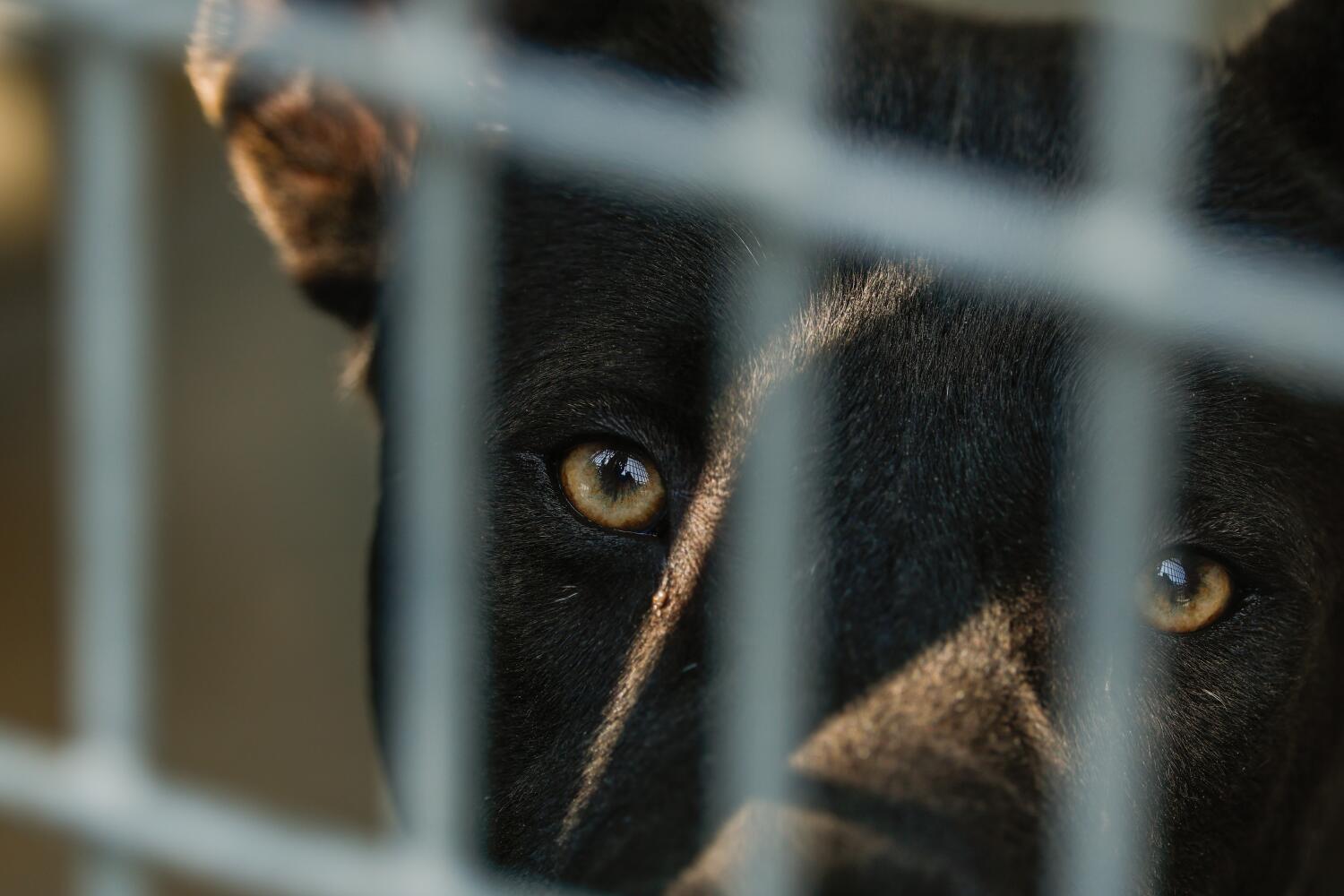
When law enforcement raids a property and rescues animals from severe neglect or illegal fighting rings, public expectation is straightforward: the animals are safe, and their ordeal is over. The reality inside the legal system is far more bleak. Under current property laws across many jurisdictions, animals seized in criminal cruelty cases are classified not as victims needing immediate placement, but as physical evidence. Because evidence must be preserved until a legal proceeding concludes or an owner surrenders rights, these animals often sit in shelter cages for six months to over a year, trapped in administrative limbo while court dockets drag on.
A growing wave of legislative reform aims to overhaul this outdated mechanism. Proposed and newly enacted cost-of-care and bond-for-forfeiture statutes require defendants to post funds for the upkeep of seized animals while criminal charges are pending. If a defendant fails to pay, ownership transfers to the shelter or rescue organization, allowing the animal to be adopted rather than warehoused. Yet while these bills offer a path out of the bottleneck, they also face intense legal friction surrounding due process and financial equity.
The Evidence Dilemma
The root cause of long shelter stays is ancient legal precedent. Statutorily, pets are personal property. When a prosecutor files charges against an owner for animal cruelty, that property becomes exhibit A.
Until a judge signs an order forfeiting the property, or until the criminal case reaches a final verdict, a shelter cannot legally rehome the animal. Spaying, neutering, or providing non-emergency medical procedures can be contested in court as damage to or modification of a defendant's property.
Meanwhile, days turn into months. Animals held in isolated impoundment spaces suffer from severe stress, shelter psychosis, and behavioral decline. A dog that was behaviorally sound when seized in January can become unadoptable by October simply due to prolonged confinement in a high-stress facility.
Facilities bear an immense financial burden during these extended holds. Housing, feeding, and providing veterinary care for dozens of large dogs seized in a single dogfighting case can cost a local shelter tens of thousands of dollars every month. Smaller municipal facilities often see their entire operational budgets wiped out by a single high-profile cruelty bust.
The Financial Mechanism of Legal Reform
Legislative remedies focus heavily on shifting the financial burden back to the accused owner through "bond-for-forfeiture" or "cost-of-care" laws.
Here is how the process operates:
- Seizure and Notification: Law enforcement seizes the animals during a criminal investigation and issues notice to the owner.
- Petition for Hearing: The impounding agency or prosecutor petitions a civil court for an expedited hearing, usually within 10 to 14 days of the seizure.
- Security Deposit Order: The judge determines reasonable care costs per animal (covering food, board, and medical needs) for a 30-day period. The defendant is ordered to post a bond or cash deposit covering that amount.
- Forfeiture Trigger: If the defendant posts the bond, the money covers shelter expenses, and the hold continues for another 30 days. If the defendant fails to post the required bond within a set timeframe, the animals are automatically forfeited to the agency, granting the shelter full legal authority to rehome them immediately.
This framework targets the core problem. It forces a rapid timeline on a system that usually defaults to endless postponements.
Due Process and Economic Reality
While the intent behind these bills is clear, implementation introduces complex legal debate. Civil liberties advocates and defense attorneys frequently raise concerns regarding due process and the presumption of innocence.
Requiring an accused individual to pay thousands of dollars upfront to retain ownership rights—before any criminal conviction occurs—can penalize indigent defendants. A low-income pet owner facing questionable or minor neglect charges might lose their companion animal simply because they lack the funds to post a cash bond within two weeks.
In response, newer statutory drafts attempt to balance these interests. Some bills give judges the explicit discretion to adjust or waive bond amounts based on a defendant's financial capacity, or to order partial forfeitures. Others require an initial evidentiary hearing where the state must establish probable cause that animal cruelty occurred before any bond requirement is imposed.
These safeguards are essential to ensure that laws designed to protect animals do not inadvertently infringe upon constitutional protections against excessive fines and premature property deprivation.
Beyond the Courtroom
Fixing the statutory timeline is only one part of resolving the broader institutional crisis. Even when custody is resolved quickly, shelters face structural challenges:
- Behavioral Rehabilitation Resources: Animals coming from severe abuse or fighting rings require specialized training and behavioral modification before they can safely enter homes.
- Inter-Agency Coordination: Police departments, animal control officers, and prosecutor offices often lack standardized protocols for handling animal evidence, leading to avoidable procedural delays.
- Capacity Constraints: Emergency holds often coincide with general overcrowding, forcing shelters to make difficult choices regarding space allocation.
A legislative bond bill fixes the legal bottleneck, but local infrastructure must be equipped to handle the influx once animals are cleared for release.
Reforming a Broken System
Leaving live, sentient animals in legal stagnation as living evidence serves neither justice nor welfare. Current legislative initiatives represent a necessary evolution in how the court system views animal property in criminal proceedings. By establishing clear financial responsibility and accelerated hearings, states can protect municipal budgets, preserve due process rights, and ensure rescued animals spend their days in loving homes rather than locked in cages waiting for a court date.