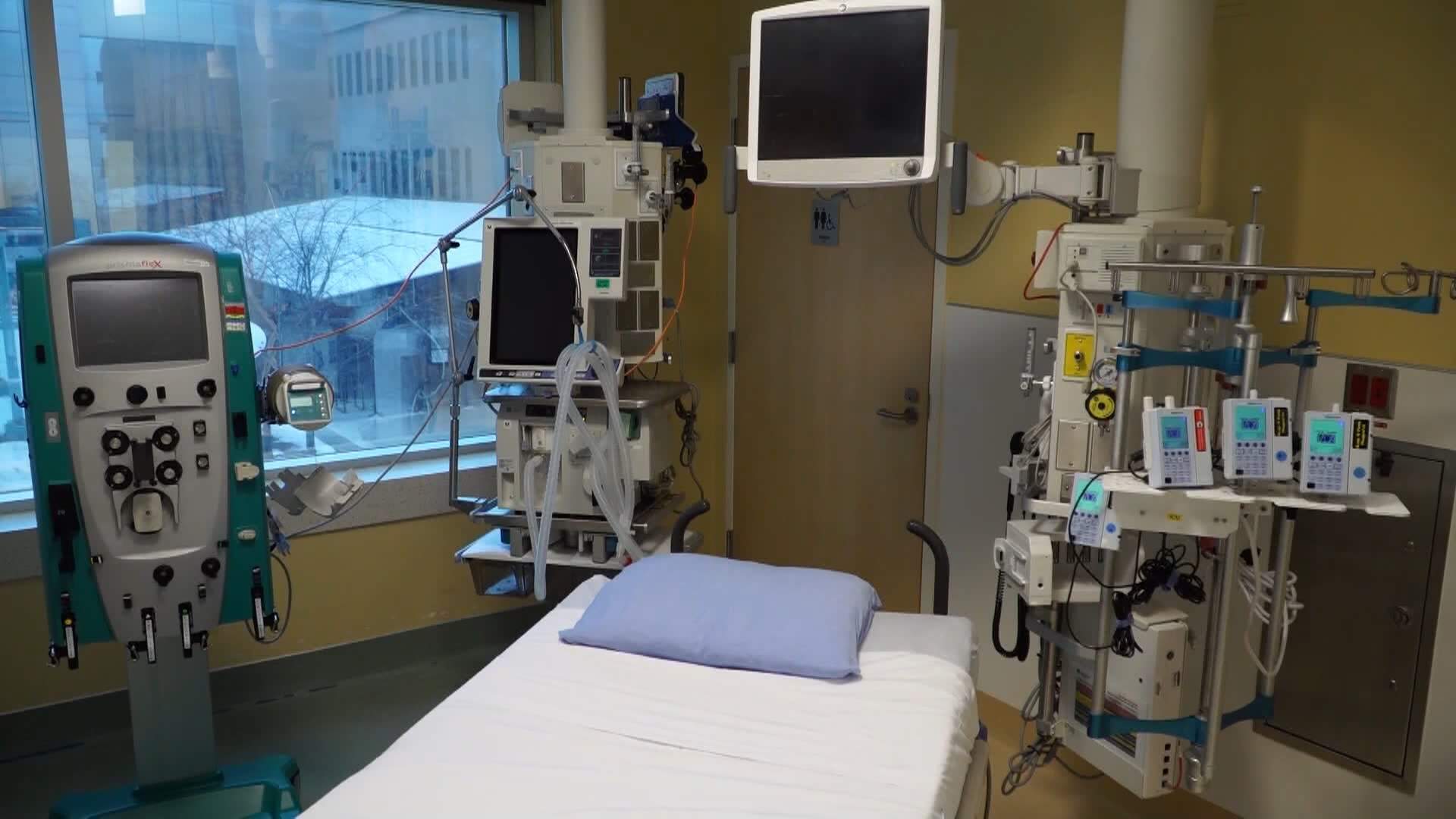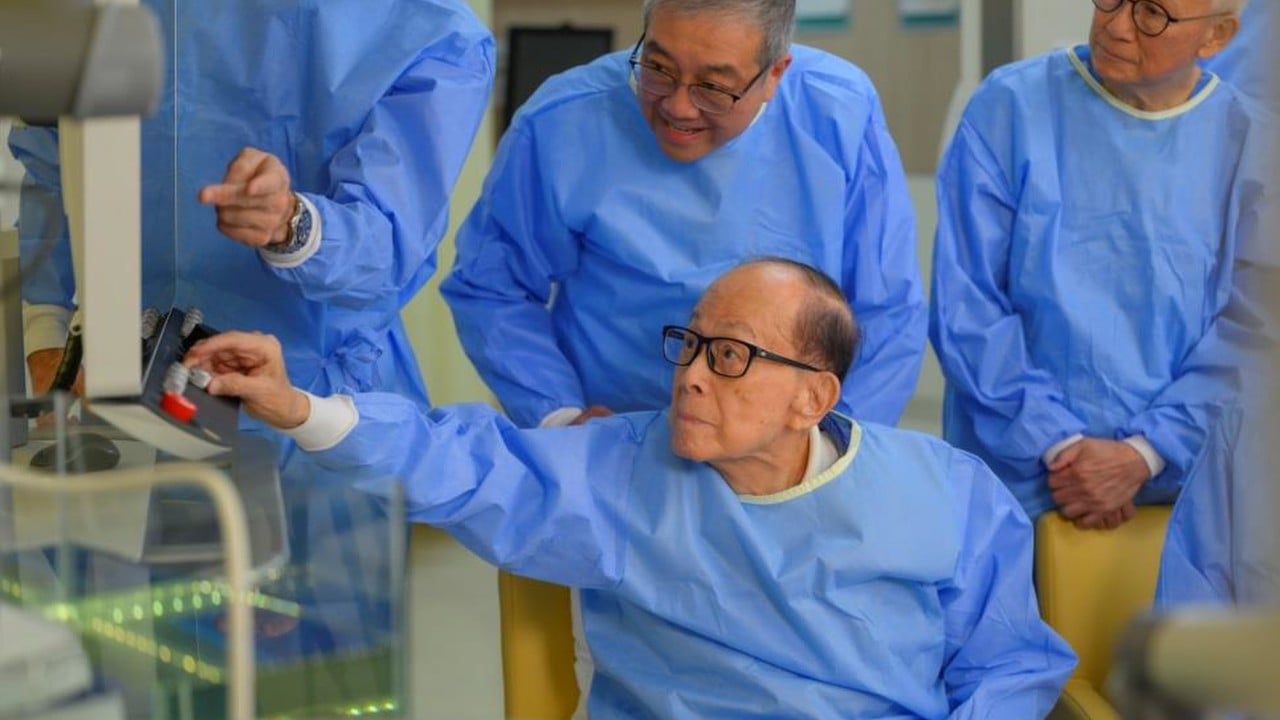
The Li Ka-shing Foundation is financing the clinical deployment of histotripsy—a non-invasive, ultrasound-based technology that destroys kidney tumors without incisions, radiation, or heat—across Hong Kong’s public healthcare system. Backed by billionaire philanthropist Li Ka-shing and developed by HistoSonics, this acoustic therapy uses microsecond bursts of focused sound waves to mechanically liquefy malignant tissue at a subcellular level while leaving surrounding blood vessels and healthy renal structures intact. By funding machines and clinical trials for renal cell carcinoma following successful liver cancer rollouts, Li’s foundation is attempting to bypass decades of surgical orthodoxy and force a rapid, commercial-scale transition toward incision-free oncology.
Surgery has ruled solid-tumor oncology for over a century. Even as laparoscopic tools and robotic arms shrank the size of abdominal incisions, the fundamental premise remained unchanged: you still have to cut the body open, physically excise the mass, and accept the collateral damage that follows. For patients with kidney cancer, that trade-off carries steep biological consequences. Removing part or all of a kidney—a partial or radical nephrectomy—carries immediate risks of hemorrhage, infection, and prolonged hospital stays, alongside the long-term threat of chronic kidney disease and dialysis dependence. Don't miss our earlier post on this related article.
Li Ka-shing’s philanthropy has rarely been content with incremental charity. Through his foundation, the Hong Kong tycoon has consistently targeted medical bottlenecks where capital injection can compress the timeline between laboratory validation and bedside availability. When his organization introduced histotripsy systems to Hong Kong medical institutions initially for liver tumors, it was not merely buying hardware. It was subsidizing the clinical learning curve and underwriting patient access to prove that acoustic ablation could compete directly with the scalpel. Extending that initiative to kidney tumors marks a calculated escalation into one of urology’s most delicate anatomical battlegrounds.
The Physics of Mechanical Liquefaction
To understand why histotripsy threatens traditional surgical and thermal ablation methods, you have to look at how it kills cells. Conventional thermal therapies—such as radiofrequency ablation, microwave ablation, and high-intensity focused ultrasound (HIFU)—rely on extreme heat to cook tumor tissue. Heat, however, is notoriously difficult to contain. Blood flowing through nearby vessels acts as a thermal sink, carrying heat away from the tumor margin and allowing cancer cells to survive. Worse, stray thermal energy can accidentally scorch adjacent healthy organs, nerves, or the delicate collecting system of the kidney, causing irreversible strictures or urine leaks. If you want more about the context here, World Health Organization offers an informative breakdown.
Histotripsy abandons heat entirely. Instead, it relies on acoustic cavitation.
An external transducer positioned over the patient’s skin emits high-amplitude, microsecond-long ultrasound pulses that converge on a focal point inside the tumor. At that exact focal zone, the rapid pressure drops cause dissolved gases in the tissue to violently expand and collapse into microscopic bubbles within fractions of a millisecond. This rapid expansion and implosion generates intense mechanical shear stress. It literally tears apart the cellular membranes and subcellular structures of the tumor, reducing a solid malignant mass into an acellular, liquefied slurry that the body’s lymphatic and immune systems gradually absorb over weeks.
Consider a hypothetical example of how this plays out in a clinical setting. Imagine a sixty-eight-year-old patient with a three-centimeter tumor located deep within the central sinus of their sole remaining kidney, wedged right against the renal artery and the ureter. Under standard surgical protocols, a surgeon faces an agonizing choice between risking catastrophic bleeding to save the organ or removing the kidney entirely and condemning the patient to lifelong dialysis. Thermal ablation would likely cook the adjacent ureter, destroying drainage. With histotripsy, because collagen-rich structures like large blood vessels and urinary ducts possess higher mechanical tensile strength than fragile, disorganized cancer cells, the acoustic cavitation bubbles pulverize the tumor while the vessel walls and collecting ducts simply flex and survive.
Real-time ultrasound imaging guides the entire procedure. The physician watches the bright, hyperechoic bubble cloud form directly over the target on a monitor, steering the focal zone millimeter by millimeter across the tumor volume until the entire mass is liquefied. There are no needles piercing the skin, no catheters threaded through arteries, and no ionizing radiation lingering in the room.
Why Kidney Tumors Are the Ultimate Proving Ground
Liver cancer served as the initial beachhead for histotripsy, largely because the liver presents a relatively large, accessible acoustic window and suffers from high rates of recurrence that make repeated surgeries impossible. Kidney tumors present a vastly more complex engineering and anatomical challenge, which is precisely why expanding the program to renal oncology matters so much to the medical device industry.
The kidneys sit deep in the retroperitoneum, tucked behind the lower ribs and surrounded by bowel gas and perinephric fat. Ultrasound waves hate bone and air; ribs reflect acoustic energy, and intestinal gas scatters it. Delivering enough coherent acoustic energy through the flank to induce controlled cavitation inside a renal mass requires sophisticated beamforming algorithms and precise patient positioning. If the acoustic window is obstructed, the bubble cloud fails to form cleanly, leaving viable tumor margins behind.
Yet the clinical incentive to solve these acoustic hurdles is immense. Incidental detection of small renal masses has surged over the past two decades due to the widespread use of abdominal CT and MRI scans. Tens of thousands of patients are diagnosed annually with localized Stage I kidney tumors—masses smaller than four centimeters—many of whom are elderly, frail, or burdened with hypertension and diabetes. Putting these patients under general anesthesia for a partial nephrectomy often poses a greater threat to their survival than the slow-growing tumor itself.
Current alternatives like cryoablation (freezing the tumor) still require inserting sharp cryoprobes through the back under CT guidance, carrying risks of tract seeding, bleeding, and pneumothorax. A completely non-invasive outpatient procedure that eliminates needle punctures changes the risk-benefit calculus for both urologists and patients.
The Immune System Wildcard
Beyond mechanical destruction, histotripsy has triggered intense interest among immuno-oncologists for a secondary biological phenomenon known as the abscopal effect.
When thermal ablation cooks a tumor, the extreme heat denatures proteins, effectively destroying the unique tumor antigens that alert the immune system to the presence of cancer. Radiation damages DNA, often mutating or obscuring those cellular markers. Because histotripsy destroys cells mechanically at ambient body temperature, the resulting acellular debris remains rich in intact, recognizable tumor antigens and damage-associated molecular patterns (DAMPs).
Preclinical animal studies and early human observations suggest that as macrophages and dendritic cells clear away this liquefied cellular wreckage, they present those intact antigens to T-cells, effectively turning the destroyed tumor into an in-situ personalized vaccine. In laboratory models, treating one tumor with histotripsy has occasionally prompted the immune system to attack untreated metastatic lesions elsewhere in the body.
It is critical to separate early scientific excitement from proven clinical reality here. While the immunological mechanism is biologically sound and reproducible in murine models, consistent systemic abscopal responses in human kidney cancer patients remain unverified at scale. Relying on histotripsy alone to cure metastatic disease would be reckless today, though combining acoustic tumor liquefaction with checkpoint inhibitor immunotherapies represents one of the most heavily investigated frontiers in clinical trials.
The Economics Behind Billionaire Medical Philanthropy
Medical breakthroughs routinely stall not because the science fails, but because the financial architecture of modern healthcare resists disruption. Hospitals have already sunk millions of dollars into surgical robots, hybrid operating rooms, and radiation bunkers. Insurance reimbursement codes are built around established surgical CPT codes. Training a generation of surgeons to abandon scalpels for acoustic consoles requires overcoming institutional inertia and entrenched revenue streams.
This is where Li Ka-shing’s intervention diverges from traditional academic grant-making. Rather than writing a check for basic university research that might take fifteen years to reach patients, the Li Ka-shing Foundation operates like a strategic market-maker. By directly purchasing HistoSonics’ Edison platforms and donating them to Hong Kong’s premier medical schools—specifically the University of Hong Kong (HKU) and the Chinese University of Hong Kong (CUHK)—alongside funding the clinical trial expenses for dozens of patients, the foundation removes the capital expenditure barrier for public hospitals.
| Therapeutic Modality | Mechanism of Action | Invasiveness | Thermal Damage Risk | Real-Time Margin Control |
|---|---|---|---|---|
| Partial Nephrectomy | Surgical excision | High (incisions/ports) | None | Visual / intraoperative ultrasound |
| Cryoablation | Extreme freezing (-40°C) | Moderate (percutaneous probes) | High (frostbite to adjacent tissue) | Intermittent CT imaging |
| Microwave / RFA | Thermal coagulation (>60°C) | Moderate (percutaneous needles) | High (heat sink & organ scorching) | Intermittent CT / ultrasound |
| Histotripsy | Mechanical acoustic cavitation | None (extracorporeal sound waves) | None | Continuous live ultrasound feedback |
For HistoSonics, a privately held US medical device spin-out from the University of Michigan, securing high-profile clinical adoption in Hong Kong provides something money alone cannot easily buy: rapid, high-volume clinical validation in a tightly integrated healthcare ecosystem. Asian medical centers often process patient volumes that allow clinical investigators to gather safety, efficacy, and procedural workflow data far faster than fragmented Western hospital networks.
Meanwhile, Hong Kong’s public healthcare system—chronically strained by an aging population and severe shortages of specialist surgeons and nursing staff—gains a potential pressure-release valve. If a complex kidney tumor procedure can be shifted from a four-hour inpatient operating room slot followed by a five-day surgical ward stay to a ninety-minute outpatient acoustic session, the downstream savings in bed days, anesthesia staffing, and postoperative complication management could reshape hospital budgets.
Unanswered Questions and Clinical Blind Spots
Enthusiasm for non-invasive technology frequently outpaces rigorous long-term data, and histotripsy for kidney tumors is no exception. Anyone evaluating this therapy must confront several glaring clinical unknowns.
First, oncological durability remains unproven over a five-to-ten-year horizon. Surgery allows a pathologist to examine the excised tissue under a microscope, confirming negative surgical margins and grading the exact aggressiveness of the tumor cells. Histotripsy turns the tumor into liquid inside the body. There is no surgical specimen to analyze unless a separate needle biopsy is performed beforehand—which partially undermines the "zero-needle" appeal of the procedure. Clinicians must rely entirely on post-procedure contrast-enhanced MRI or CT scans to verify that no microscopic pockets of viable cancer cells survived around the rim of the cavitation zone. In kidney cancer, local recurrences can take years to manifest.
Second, anatomical limitations exclude a substantial fraction of patients. Sound waves obey the laws of physics, not clinical wishful thinking. Tumors located in the upper pole of the kidney, shielded directly behind the rib cage, or situated too deep within obese patients can attenuate the ultrasound beam below the cavitation threshold. If the acoustic energy cannot cleanly converge, the operator cannot safely treat the lesion.
Third, embolism and vascular injury risks require close scrutiny. While large collagen-walled blood vessels resist cavitation better than tumor cells, microvasculature inside the tumor is obliterated. Questions remain regarding whether violent bubble collapse near major renal veins could dislodge microscopic cellular debris or micro-thrombi into the bloodstream, particularly in renal cell carcinomas notorious for invading venous structures. Early safety trials have shown low complication rates, yet rare adverse events typically emerge only after thousands of procedures are performed outside tightly controlled trial environments.
Finally, cost-effectiveness outside subsidized philanthropy faces steep hurdles. Each histotripsy platform carries a price tag running into the millions of dollars, accompanied by single-use acoustic coupling membranes and specialized water-bath consumables for every patient. Until public health authorities and private insurers establish dedicated reimbursement pathways backed by multi-year comparative cost analyses, access to this technology risks remaining bifurcated between billionaire-subsidized centers of excellence and wealthy self-pay medical tourists.
The Structural Shift in Interventional Oncology
The expansion of histotripsy from liver lesions to kidney tumors signals a broader, irreversible shift in how medicine approaches solid organ disease. For decades, surgical innovation meant refining the instruments used to violate the body's physical barrier—making blades sharper, trocars narrower, and robotic wrists more articulate. Acoustic cavitation represents a fundamentally different premise: treating the human body as a transparent acoustic medium through which mechanical energy can be focused with sub-millimeter precision from the outside.
Whether histotripsy eventually replaces partial nephrectomy as the gold standard for localized kidney cancer or settles into a specialized niche for high-risk surgical candidates will depend entirely on the long-term recurrence data emerging from these early clinical cohorts. What is already clear is that by underwriting the bridge between experimental physics and public hospital wards, Li Ka-shing’s foundation has forced the global urological establishment to confront a future where the most effective surgical instrument in the room never touches the patient's skin.