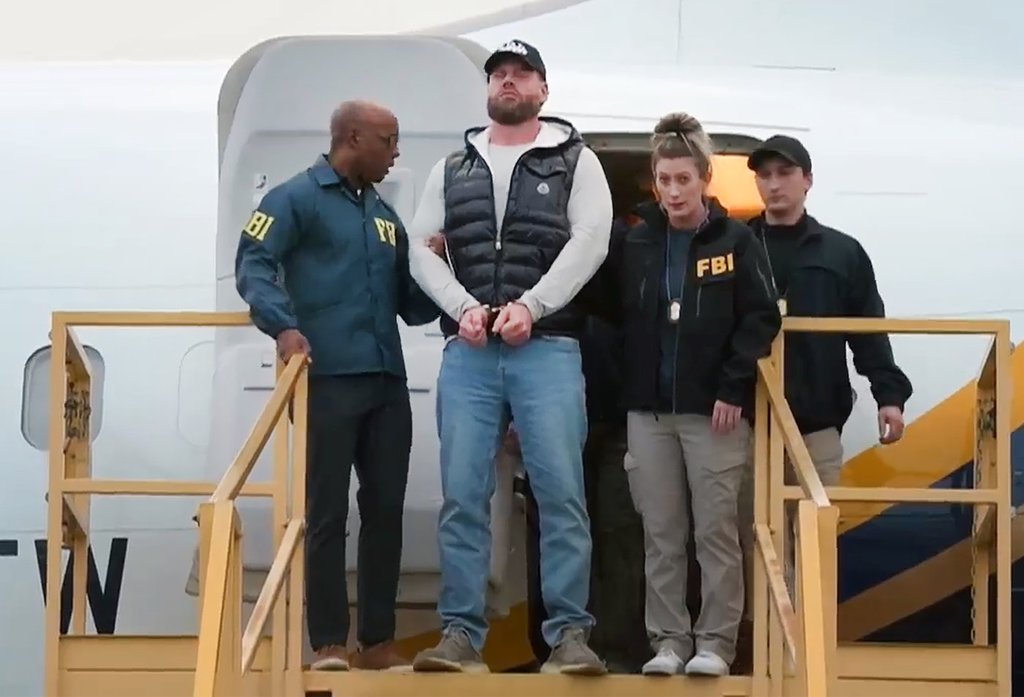
Peel Regional Police are actively searching for a third suspect connected to a series of coordinated arsons in Mississauga that injured 18 people and left a trail of structural devastation across commercial properties. Two suspects are already in custody facing serious charges, while investigators comb through surveillance footage, forensic accelerant profiles, and digital footprints to locate the remaining individual. This incident is not an isolated act of random vandalism. It represents a sharp, disturbing escalation in targeted commercial arson across the Greater Toronto Area, where fires are increasingly deployed as instruments of extortion, intimidation, and organized crime.
Anatomy of the Mississauga Attacks
To understand why 18 people ended up in hospital beds, you have to look at the mechanics of modern commercial arson. When fire is set deliberately inside or adjacent to multi-unit commercial plazas, the threat extends far beyond property damage. Smoke inhalation, toxic chemical off-gassing from burning synthetic materials, and sudden structural flashovers turn routine retail spaces into death traps within minutes.
In the Mississauga incidents, the timing and execution pointed toward coordinated intent rather than opportunistic mischief. Suspects arrived with accelerants, breached exterior perimeters or targeted specific storefronts, and ignited fires designed to spread rapidly before local fire crews could establish a perimeter.
Emergency responders arriving on the scene faced heavy smoke conditions and multiple casualties suffering from acute respiratory distress and thermal injuries. Paramedics triaged victims on the pavement while Peel Regional Police locked down surrounding arterial roads to preserve physical evidence.
The Forensic Trail
Arson investigations rarely hinge on a single smoking gun. Instead, fire marshals and criminal investigators build cases through painstaking reconstruction.
- Pour Patterns and Accelerants: Fire investigators analyze char depth and burn patterns on concrete and wood flooring to identify where liquid accelerants were pooled. Gas chromatography-mass spectrometry testing in provincial labs then isolates the exact chemical signature of the fuel used, linking scenes together.
- Surveillance Triangulation: Modern commercial corridors in Mississauga are blanketed by high-definition security cameras, dashcams, and municipal traffic feeds. Investigators map the arrival and departure routes of suspect vehicles, often tracking license plates or distinct vehicle modifications miles away from the primary scene.
- Digital Footprints: Burner phones, encrypted messaging apps, and cell tower dumps provide crucial corroboration. Even when suspects leave their primary devices at home, vehicle infotainment systems and nearby automated license plate readers frequently betray their movements.
Why Third Suspects Matter in Organized Fire-Setting
When police announce they are hunting for a third suspect after already arresting two individuals, the operational dynamics of the crime come into sharper focus. Coordinated arson rarely happens without a division of labor.
In typical multi-person arson crews, roles are segmented to minimize exposure and maximize speed. One individual acts as the wheelman, keeping a stolen or cloned vehicle running for an immediate exit. A second person handles physical entry, smashing glass or prying open rear service doors. The third suspect is often responsible for deploying the accelerant and igniting the blaze—or conversely, acting as a lookout and coordinator directing the crew on behalf of an external financier.
Finding that third individual is critical for prosecutors. Without the complete crew in custody, defense attorneys routinely exploit evidentiary gaps, arguing that their clients were merely present at the scene while the absent party carried out the actual ignition. Securing the third suspect closes those legal loopholes and frequently unlocks cooperation agreements that expose who ordered the fires in the first place.
The Broader Trend Behind Commercial Arsons in the GTA
Veteran crime reporters and insurance investigators recognize a troubling pattern across southern Ontario. Over the past several years, deliberate fires targeting restaurants, banquet halls, auto body shops, and independent retail outlets have spiked.
Extortion and Street-Level Enforcers
Law enforcement task forces across Peel Region, York Region, and Toronto have repeatedly flagged the intersection between extortion networks and commercial arson. Business owners receive threatening phone calls or messages demanding tens of thousands of dollars in protection money. When they refuse to pay, or when they contact police, their storefronts are firebombed in the middle of the night.
The people lighting the matches are seldom the masterminds behind the extortion. Organized crime groups routinely subcontract the physical execution to young, low-level offenders or transient crews recruited through encrypted social media channels. These recruits are paid a few thousand dollars to carry out high-risk attacks with minimal training.
That lack of experience is precisely why casualty counts are climbing. Amateur arsonists frequently miscalculate how fast gasoline vapors ignite, leading to premature explosions that injure the perpetrators themselves alongside innocent bystanders, upstairs apartment residents, and neighboring business owners.
Insurance Fraud and Economic Distress
While extortion dominates headlines, forensic accountants and special investigation units within the insurance industry point to a parallel driver. Commercial real estate pressures, high interest rates, and post-pandemic debt loads have pushed struggling business owners toward desperate measures.
Staged arsons designed to trigger commercial property payouts follow distinct behavioral markers. Investigators look for sudden spikes in policy coverage weeks before a fire, the quiet removal of high-value inventory or sentimental items prior to the blaze, and disabled sprinkler or alarm systems. However, whether a fire is driven by external extortion or internal fraud, the physical danger to neighboring tenants and first responders remains identical.
The Human Toll and Collateral Damage
Statistics strip away the reality of what happens when 18 people are hospitalized in a single incident. Smoke inhalation is an insidious injury. Unlike a clean laceration or a broken bone, superheated toxic gases scar lung tissue internally, causing delayed pulmonary edema that can turn fatal hours after a victim initially feels fine.
Beyond the immediate medical emergencies, the economic fallout ripples through local communities for years.
| Impact Area | Immediate Consequence | Long-Term Fallout |
|---|---|---|
| Adjacent Businesses | Forced closures due to smoke and water damage | Loss of customer base and permanent bankruptcy |
| Commercial Landlords | Structural condemnation and emergency boarding | Skyrocketing insurance premiums or policy cancellation |
| Local Residents | Evacuation and acute respiratory trauma | Chronic health complications and psychological distress |
| Municipal Resources | Diversion of fire, police, and paramedic units | Increased taxpayer burden for prolonged investigations |
Small business owners operating next door to a targeted property often carry basic liability coverage rather than comprehensive business interruption insurance. When a fire next door shuts down a plaza for eight months during structural remediation, innocent merchants lose their livelihoods overnight.
Challenges in Prosecuting Multi-Suspect Arson Cases
Arresting suspects is only the opening phase of a long legal battle. Arson remains one of the most difficult crimes to prove beyond a reasonable doubt in Canadian courts.
Fire destroys physical evidence by its very nature. Intense heat obliterates DNA, melts plastic containers, and warps structural beams, making it difficult for crown prosecutors to establish exact timelines. Defense lawyers routinely challenge the admissibility of cell tower pings and argue that circumstantial video footage fails to prove specific intent to endanger human life.
Under the Criminal Code of Canada, arson carries severe penalties—especially when the perpetrator knows or is reckless as to whether the property is inhabited, or when the fire causes bodily harm. Proving that recklessness requires meticulous police work. Investigators must demonstrate that the suspects knew people were inside or adjacent to the building, or that the sheer scale of the accelerant used made human injury inevitable.
What Peel Regional Police Need to Close the Net
Manhunts for outstanding suspects rely heavily on public vigilance combined with aggressive digital forensics. Because the competitor's initial report lacked specific suspect descriptions or vehicle details, community members in Mississauga must rely on official Peel Regional Police bulletins for exact identifying markers.
However, standard investigative protocols in these cases hinge on three primary sources of public intelligence:
- Unreviewed Dashcam Footage: Vehicles parked overnight in residential streets bordering commercial zones often record suspects walking to and from getaway cars hours before emergency sirens sound.
- Burn Injuries at Walk-In Clinics: Amateur arsonists using liquid accelerants frequently suffer flash burns to their hands, forearms, and faces. Healthcare workers and pharmacists noticing unexplained thermal injuries play a recurring role in breaking open stalled arson cases.
- Anonymous Crime Stoppers Tips: Associates of low-level recruits often boast about cash payouts or sudden vehicle upgrades in the days following a major fire.
Protecting Commercial Corridors Against Targeted Fires
Property owners and municipal planners cannot wait for every suspect to be convicted before hardening vulnerable buildings. Traditional security measures—like standard deadbolts and basic motion alarms—do little to stop an attacker determined to pour fuel through a smashed front window.
Security consultants working with high-risk commercial plazas recommend layered physical deterrents:
- Shatter-Resistant Security Film: Applying thick polyester security laminate to storefront glazing prevents a single hammer strike from creating an opening for incendiary devices, buying critical minutes for alarm monitoring centers to dispatch police.
- Exterior Perimeter Lighting and Bollards: Eliminating dark rear alleyways and installing steel bollards prevents vehicles from backing directly up to service doors to offload fuel containers.
- Monitored Thermal and Smoke Detection: Standard smoke detectors trigger only after combustion is well underway. Optical flame detectors and thermal cameras alert central monitoring stations the second an abnormal heat signature appears outside a building envelope.
Peel Regional Police investigators continue to process evidence from the Mississauga scenes while tracking leads on the third suspect, working to bring the remaining conspirator into custody before another commercial block goes up in flames.