When the White House rolled out the red carpet to detail a staggering financial commitment from East Asia, the headlines practically wrote themselves. President Donald Trump announced that South Korea would funnel up to 200 billion dollars into strategic United States energy projects. The package covers everything from a massive gas-fired power complex in Texas to frameworks for eight large-scale nuclear reactors and a fresh look at the perennial white elephant known as the Alaska Liquefied Natural Gas pipeline.
Yet behind the Washington photo-ops and the political theater of midterm election season lies a vastly more complex, high-stakes negotiation over industrial survival and commercial risk. This is not a simple check written out of goodwill. It is a transactional quid pro quo tied directly to a reduced 15 percent tariff rate on South Korean exports to American markets. Seoul did not stumble into this agreement blindly; they bargained hard to protect their bottom line while keeping a vital geopolitical alliance intact.
To understand the reality of this multi-billion dollar arrangement, one must look past the press releases and examine the mechanics of how these capital flows actually operate.
The Arithmetic of Reciprocity
Trade deals negotiated under the current White House framework rely on a blunt instrument: threat and reward. For months, officials in Seoul weighed the alternative of steep, uniform import penalties against the strategic choice of directing capital into American infrastructure. By agreeing to marshal a staggering pool of investment, South Korean industrial planners secured a predictable trade corridor.
The primary mechanism centers on targeted domestic returns. South Korea's Ministry of Trade, Industry and Resources made it clear during legislative briefings that every single cent deployed abroad must clear rigorous bars of commercial viability. Taxpayer-backed capital and corporate funds from major Korean conglomerates cannot simply be funneled into unprofitable ventures without severe political and economic blowback at home.
Consider the initial project selected under this umbrella: a six-gigawatt power generation facility located in Encinal, Texas, designed to feed energy into soaring artificial intelligence data center demands. This is not philanthropy. It is a calculated bet on the exponential growth of compute power and electricity consumption within the American domestic market. Power generation is a predictable, cash-flowing asset class if managed correctly, making it a palatable pill for corporate boardrooms in Seoul that demand reliable yields.
The Nuclear Ambition and the Alaska Wildcard
Beyond Texas gas, the broader framework encompasses two far more contentious pillars: an ambitious blueprint for eight nuclear reactors and a potential revival of the Alaska LNG pipeline. Both items carry historical baggage and immense logistical hurdles.
The nuclear framework operates as an expression of intent rather than a finalized construction contract. Building large-scale atomic energy plants in the United States is notoriously difficult, plagued by regulatory delays, soaring cost overruns, and supply chain bottlenecks. While South Korean firms possess world-class construction capabilities and technical proficiency through state-backed nuclear entities, deploying those models inside the American regulatory environment requires navigating a maze of federal oversight. Each individual plant within the eight-reactor framework must clear separate, grueling approval hurdles.
Then there is the Alaska LNG pipeline proposal, a project that has haunted energy developers for decades. With an estimated price tag exceeding tens of billions of dollars, the logistical challenge of moving natural gas across rugged Arctic terrain to export terminals has repeatedly frightened private investors away. Tying this legendary pipeline to South Korean capital looks like a classic political win for regional stakeholders, but financial risk officers in Seoul are treating the proposal with extreme caution. The commercial calculus depends entirely on long-term global gas prices and whether liquefaction and shipping costs from northern Alaska can genuinely compete with cheaper, established supply hubs in the Gulf Coast.
The Domestic Political Crosscurrents
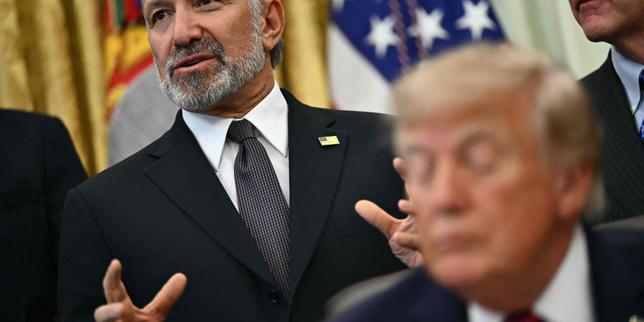
The timing of these grand announcements is hardly accidental. Released as the political landscape gears up for fierce congressional battles, the narrative of American energy dominance and foreign-funded job creation serves as a powerful talking point. Senators facing tight reelection margins stood shoulder-to-shoulder in the Oval Office, championing projects that promise thousands of local construction jobs.
Yet, veteran industry analysts know that bridging the gap between a White House press briefing and steel actually hitting the ground takes years of gritty, unglamorous execution. Corporations do not build multibillion-dollar infrastructure purely to satisfy a diplomatic communique. They build when the regulatory certainty is stable, when supply chains are secured, and when long-term off-take agreements guarantee profitability.
Seoul’s leadership walked a tightrope, offering financial commitments to dodge punishing trade barriers while quietly establishing strict guardrails to protect their national
The Two Hundred Billion Dollar Gamble Behind the Trump South Korea Investment Pact
business, news
The Two Hundred Billion Dollar Gamble Behind the Trump South Korea Investment Pact
Donald Trump announced up to 200 billion dollars in South Korean investments inside the United States, promising a massive manufacturing revival and a profound shift in industrial cross-currents. Trade analysts watched the numbers flash across news tickers, attempting to separate campaign rhetoric from actionable capital allocation. Behind the political theater lies a complex negotiation involving heavy industry, semiconductor supply chains, and severe geopolitical pressure points.
Seoul faces an intractable dilemma. Relying on the American security umbrella requires immense economic appeasement. Washington demands domestic job creation, and South Korean conglomerates possess the heavy capital reserves to deliver it. Yet, moving advanced manufacturing lines across the Pacific introduces unprecedented cost overruns, labor shortages, and logistical headaches.
The Anatomy of a Massive Capital Pledge
Promises of hundreds of billions in foreign direct investment rarely arrive in a single lump sum. They manifest as a rolling series of corporate board decisions, contingent upon tax credits, regulatory exemptions, and local subsidies. South Korea's industrial backbone rests on massive family-run conglomerates known as chaebols. Samsung, SK Group, Hyundai, and LG dominate the export economy, making them primary targets for foreign investment demands.
When foreign leaders commit capital to the United States, they are usually responding to the stick of potential tariffs and the carrot of federal subsidies like the CHIPS and Science Act. Building a modern semiconductor fabrication plant or an electric vehicle battery facility requires billions in upfront capital expenditure before a single unit rolls off the line.
Samsung already broke ground on a massive semiconductor complex in Taylor, Texas, aiming to secure local supply chains for American technology firms. Yet, that project has faced persistent delays, rising construction costs, and negotiations over federal funding disbursements. Piling another wave of investment commitments onto existing, delayed projects tests the operational limits of even the most sophisticated multinational corporations.
The Geopolitical Strain on Seoul
South Korea sits in a volatile neighborhood. Its economy depends heavily on trade with China, even as its security relies on the United States. When Washington demands that industrial giants decouple sensitive supply chains from Beijing and relocate production to American soil, Seoul catches the crossfire.
Corporate executives in Seoul walk a tightrope. Displeasing the White House risks punitive trade measures or diminished security cooperation against regional threats. Displeasing Beijing risks severe economic retaliation, supply chain blockades, or market exclusion in the world's second-largest economy.
This environment transforms economic planning into high-stakes diplomacy. Every factory built in Ohio or Georgia is an insurance policy purchased to guarantee continued access to the American consumer market.
Labor Realities and Operational Friction
Proponents of foreign investment pacts frequently point to job creation numbers as the ultimate metric of success. Building a factory is vastly different from operating a globally competitive manufacturing hub.
The American labor market presents unique hurdles for foreign firms accustomed to the hyper-disciplined, centralized work cultures of East Asia. Finding skilled welders, specialized technicians, and electrical engineers in sufficient numbers remains difficult. Cultural friction between management styles imported from Seoul and unionized American workforces can grind efficiency to a halt.
Supply chain ecosystems cannot be easily transplanted. An advanced manufacturing plant relies on a dense web of local component suppliers, chemical providers, and maintenance contractors. Replicating that ecosystem in regions without an established industrial base adds layers of expense that erode profit margins.
What Happens Next to Global Trade
The grand bargains of modern trade policy are fundamentally transactional. Announcements of two hundred billion dollars in foreign investment generate immediate political headlines, but the multi-decade execution phase dictates the actual economic legacy.
As regulatory reviews proceed and corporate boards weigh the true cost of cross-border expansion, the initial enthusiasm often gives way to hard-nosed compromise. Capital flows where it is treated best, but it stays where it proves profitable. The real test of these multi-billion-dollar pacts will not be found in the signing ceremony press releases, but in the balance sheets of the companies forced to execute them.