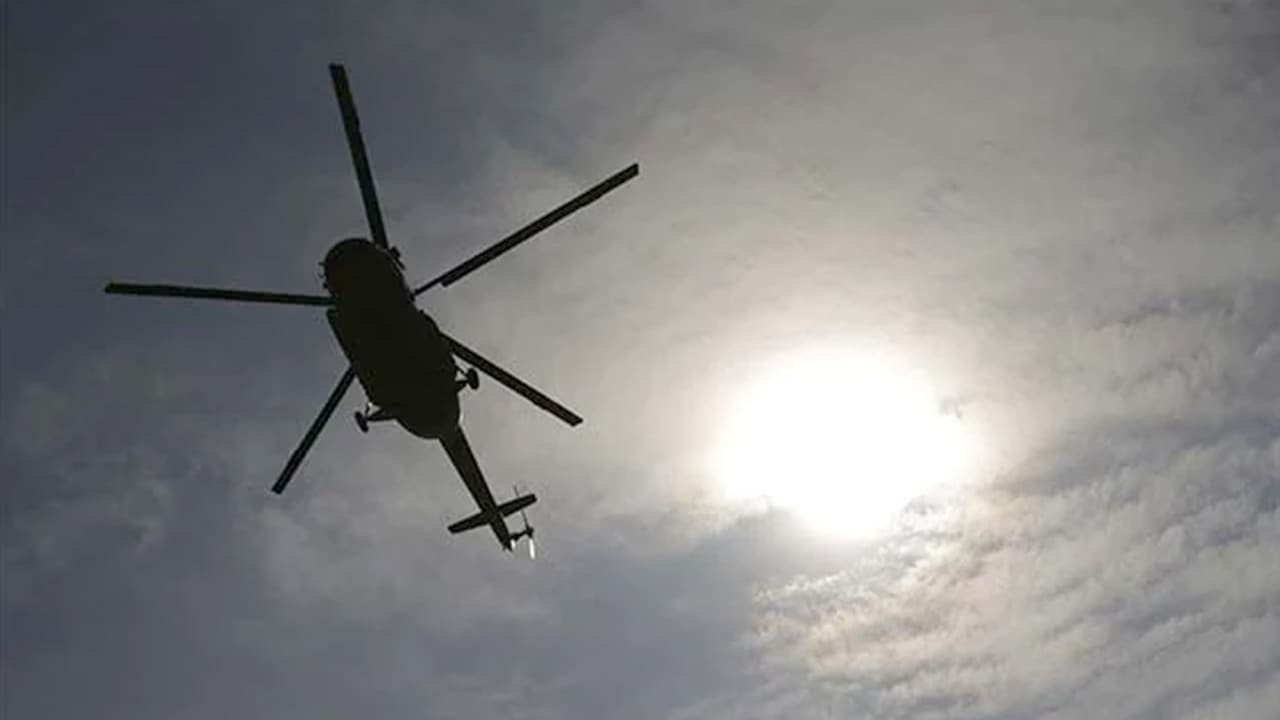
On October 5, 2026, a Nigerian Air Force ATR 42-500 maritime patrol aircraft carrying 32 people crashed into the swampy terrain near Igbokoda in Ondo State, leaving no survivors among the 25 passengers and seven crew members. The aircraft, bearing tail number NAF 931, vanished from radar screens at approximately 09:13 local time while on a routine flight from Benin City to Lagos. While national mourning declarations and official investigations ordered by President Bola Tinubu focus on immediate recovery and preliminary assessments, the tragedy demands a much harder look at structural realities. This disaster is not an isolated statistical anomaly. It is part of a recurring pattern that exposes deep institutional vulnerabilities within West Africa's most prominent military air arm.
For decades, military aviation safety across the region has struggled against a heavy compounding of operational overstretch, maintenance backlogs, and aging fleets. Analysts tracking defense logistics note that transport and surveillance platforms like the ATR 42 class are routinely pushed to their operational limits. These multi-role aircraft bridge critical gaps in intelligence, surveillance, reconnaissance, and personnel transit across vast geographical zones beset by security challenges. When an air force operates a lean fleet of specialized airframes, the loss of even a single platform punches a major hole in national security capabilities. The operational tempo does not slow down to accommodate a tragedy; instead, the remaining airframes fly harder, increasing mechanical stress on machines that already demand rigorous, high-cost servicing cycles.
Historical precedent offers a grim context for understanding the structural weight of the October 5 crash. Nigeria's military aviation history carries the deep scars of catastrophic transport losses, most notably the September 1992 C-130 Hercules crash near Lagos that claimed 159 lives. Subsequent incidents, including the May 2021 Beechcraft King Air 350 crash in Kaduna that killed the late Chief of Army Staff, Lieutenant General Ibrahim Attahiru, and ten others, repeatedly draw public attention to the fragile intersection of weather, maintenance protocols, and institutional oversight. Following the 2021 disaster, joint investigative reports generated dozens of safety recommendations. Yet, translating administrative directives into permanent mechanical and procedural safety remains an uphill battle when defense budgets are stretched across multiple active internal security theaters.
The technical profile of the ATR 42-500MP adds another layer of scrutiny. Built for versatility, the aircraft relies on sensitive avionics and sophisticated surveillance suites that require specialized maintenance infrastructure. Aviation experts point out that while airframes can be sent abroad for heavy overhauls—as NAF 931 reportedly had been in Germany—the day-to-day operational maintenance, environmental wear from coastal salt air, and rapid turnaround times in domestic hangars create persistent risk factors. Civilian aviation regulators in Nigeria have repeatedly clarified that military flight operations fall strictly outside civilian oversight bodies like the Nigerian Civil Aviation Authority. This regulatory separation means internal military boards hold sole responsibility for safety audits, accident investigations, and fleet airworthiness certification.
When transparency remains internal, public trust erodes. Families of victims and military analysts are left asking whether investigative findings will be made fully accessible or quietly filed away behind national security classifications. True institutional reform requires more than temporary flights grounded for inspections or brief periods of national mourning. It demands an uncompromising audit of procurement pipelines, pilot training hours, parts authenticity, and the grueling flight schedules imposed on crews operating in high-threat environments. Until structural accountability matches the bravery of the personnel flying these missions, the shadow over military aviation in the region will persist.