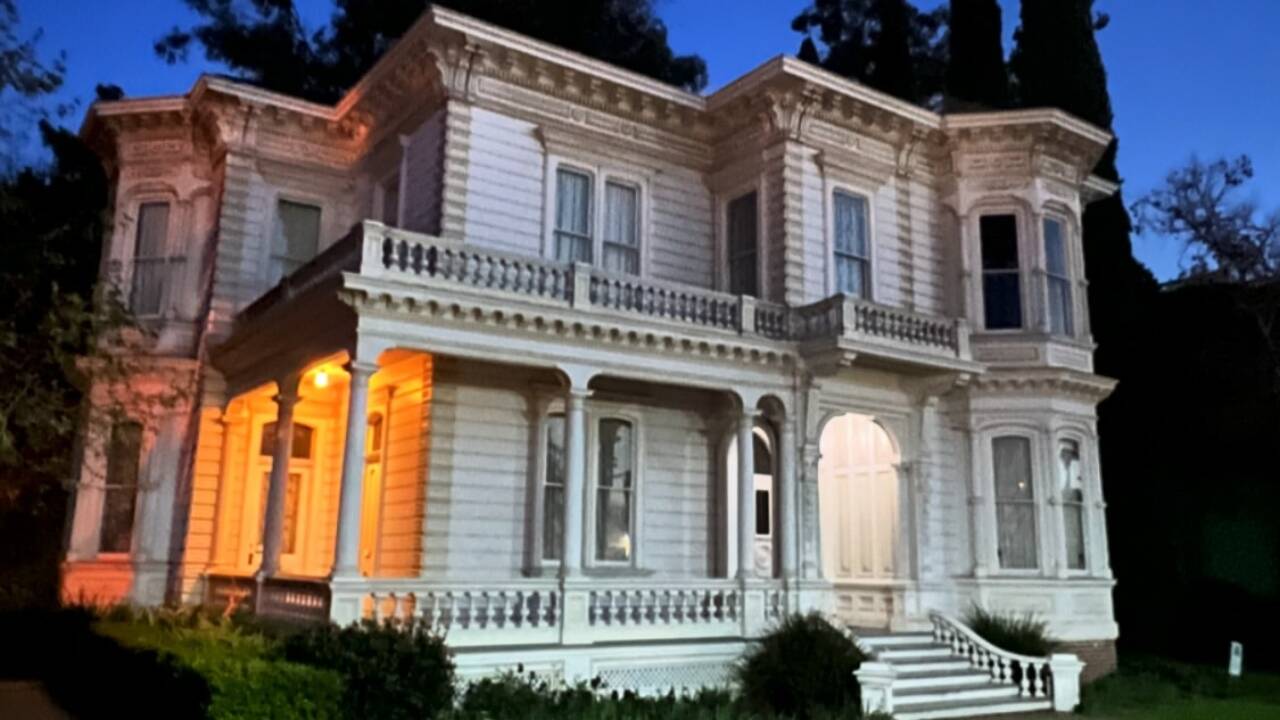
Historic preservation is rarely a polite conversation about fresh paint and polished brass. It is an ongoing battle over who gets to see the past, who pays for its upkeep, and what compromises must be made to keep old wood and mortar standing in a modern economy. When the 1876 Perry House opens its rare second-floor rooms for a fundraising event, visitors will line up to catch a glimpse of spaces usually hidden behind locked doors. Beneath the champagne glasses and the ticket sales lies a persistent tension facing historic properties across the country. How do you fund the preservation of a fragile structure without loving it to death?
The Perry House, a Victorian-era landmark that anchors its local community's architectural identity, has spent decades managing the delicate balance between public engagement and structural conservation. Opening an upper floor is not simply a matter of unlocking a deadbolt. It requires navigating strict fire codes, insurance liabilities, ADA compliance exemptions for historic structures, and the silent, grinding wear of human foot traffic on century-old floorboards.
For decades, the standard playbook for historic house museums involved cordoning off the upper levels. Preservationists argued that foot traffic accelerates the degradation of original textiles, wears down wooden stairs, and introduces moisture and fluctuating temperatures that wreak havoc on plaster and framing. Maintenance budgets are perpetually starved, forcing boards of directors to choose between a leaky roof repair and rewiring outdated electrical systems. When a property decides to throw open its second-floor doors for a high-dollar fundraiser, it is rarely an artistic choice. It is a financial necessity driven by the crushing cost of keeping history alive.
The economics of historical stewardship are brutal. State grants have shrunk, municipal funding is competitive, and ticket sales from casual afternoon drop-ins barely cover the cost of the staff required to keep the lights on. Historic sites have been forced to act like corporate venues, renting themselves out for weddings, corporate retreats, and exclusive galas. Purists groan at the sight of folding chairs set up beneath chandelier medallions, but without those rental fees, the plaster cracks, the dry rot spreads, and the landmark quietly vanishes.
What happens when the public finally ascends those restricted stairs at the Perry House? They encounter a time capsule shaped by the compromises of modern event planning. Original wall treatments sit alongside temporary lighting rigs. Velvet ropes keep eager hands away from hand-carved mahogany banisters, while catering trays hover near antique furniture. This juxtaposition exposes the uncomfortable truth about public history. We want our past preserved in amber, but we fund it by turning it into a stage.
The architectural reality of the Perry House second floor tells a story of domestic life far removed from the public eye. Downstairs parlors were designed for display, meant to impress visiting merchants, local politicians, and prospective suitors. Upstairs spaces were private, utilitarian, and deeply revealing of the domestic labor that sustained the household. Opening these rooms shifts the narrative from the public facade of a prominent 19th-century family to the structural realities of the building itself. Yet, when visitors crowd into these rooms with wine glasses in hand, the intimate scale of the space is inevitably altered.
Critics of this fundraising model argue that turning historic homes into event spaces cheapens their educational mission. They point to the risk of accidental damage, the wear on original floorboards, and the commercialization of civic heritage. Every time an artifact is brushed against by a stray coat or a historic rug absorbs spilled wine, a permanent piece of the material record is chipped away.
Supporters counter with a pragmatic argument. A historic house that remains locked, dark, and empty is already dead. If opening the second floor for one evening raises the capital required to fix a failing slate roof or stabilize a settling foundation, the trade-off is not just justified; it is mandatory. Preservation without access is merely hoarding, and an unfunded landmark is a demolition waiting to happen.
The fundraiser at the Perry House will draw the usual crowd of local dignitaries, preservation enthusiasts, and socialites looking for a glamorous evening inside a storied landmark. They will admire the restored moldings, marvel at the narrowness of the servant stairwells, and praise the board for their stewardship. When the last guest leaves and the catering vans pull away, the real work resumes. The doors will lock again. The upper rooms will return to silence, insulated from the modern world until the next financial crisis forces the community to look upward, open the deadbolts, and invite the public back in to pay for yesterday's future.