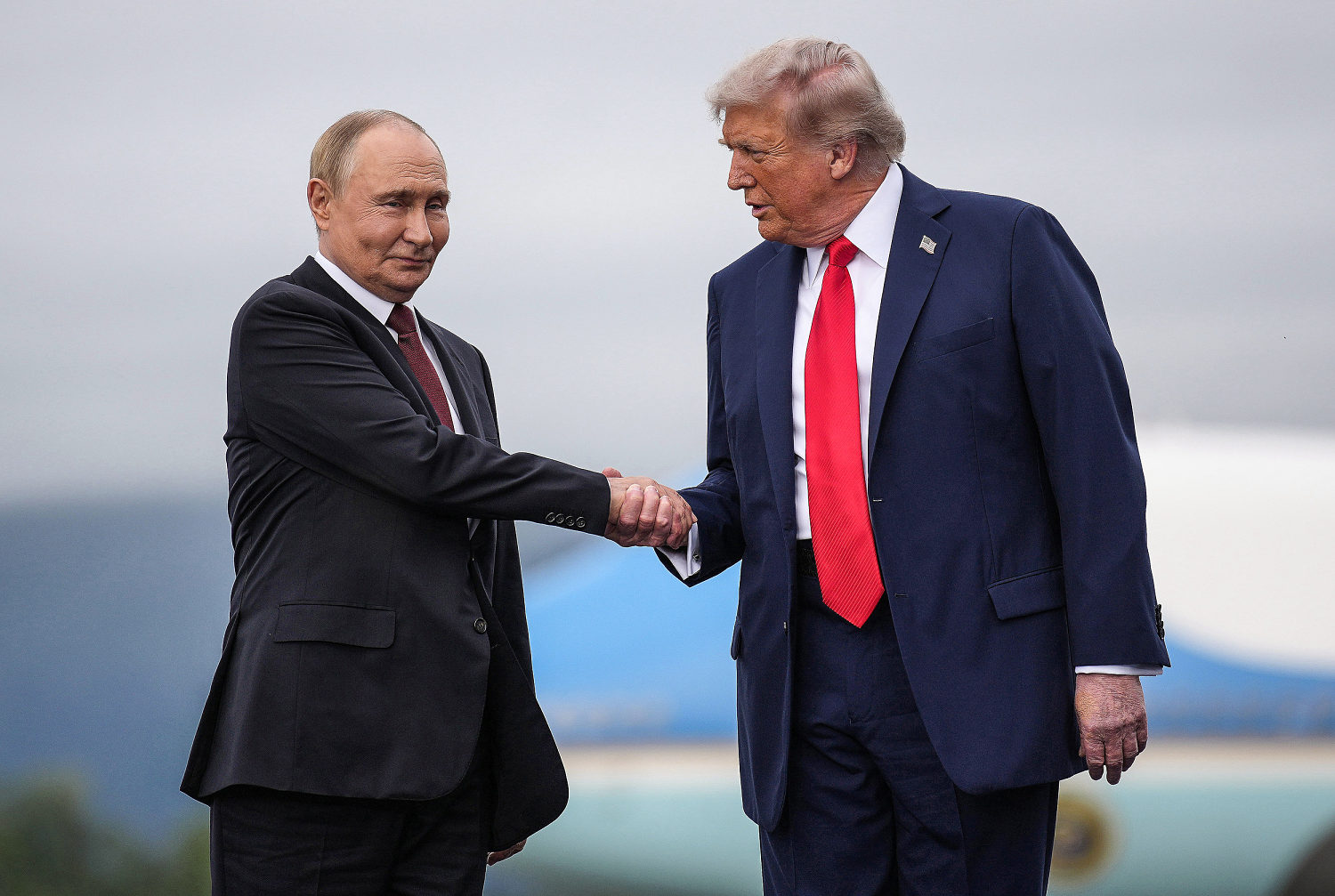
The announcement arrived with the familiar rhetorical velocity of modern executive governance. American diesel prices were climbing past six dollars a gallon, threatening logistics networks, agricultural transport, and political fortunes ahead of midterm ballots. The solution, broadcasted across digital channels following a phone conversation between Washington and the Kremlin, pointed east. The White House proclaimed that Vladimir Putin had agreed to release millions of tons of Russian diesel to cool domestic markets, prompting the Treasury Department's Office of Foreign Assets Control to hurriedly issue General License 135.
The policy shift was swift. The financial restrictions that had choked off direct transactions involving Russian refined products since 2022 were temporarily punctured. Yet behind the political theatre of immediate relief lies a stark operational reality. Months after the agreement was struck, the actual volume of Russian fuel flowing into American ports remains virtually non-existent, while the geopolitical concessions handed to Moscow have already altered the strategic calculus of the war in Eastern Europe.
To understand why this agreement failed to deliver on its primary economic premise, one must examine the logistics of global fuel markets. Modern oil refining is not a tap that can be turned on and off at whim, especially for a nation whose domestic infrastructure has absorbed months of targeted aerial strikes from Ukrainian drones. Russian refineries were already operating under severe strain, and domestic export restrictions had been instituted by Moscow earlier in the year to preserve internal supplies.
When the waiver was signed, energy analysts immediately pointed out the fundamental mismatch in scale and timing. The initial promised volumes amounted to a fraction of daily American consumption. Cargoes require weeks to charter, load, and transport across maritime routes. Tankers meandering toward the West or sitting idle off coastlines do little to alter daily retail prices at domestic filling stations. The mechanism was structurally incapable of producing the rapid price compression promised in political speeches.
While American consumers saw no meaningful relief at the pump, the diplomatic architecture surrounding the sanctions relief shifted decisively in Russia's favor. By offering sanctions relief as a good-faith gesture to lower commodity prices, the administration effectively bypassed the legislative framework established by Congress, including tough bipartisan measures designed to isolate Russian energy revenues.
Legal challenges materialized quickly. State officials argued that executive licensing could not unilaterally override statutory import bans enacted by lawmakers. Port operators and terminal managers faced a compliance nightmare, caught between conflicting federal directives and the lingering threat of secondary penalties. Rather than establishing a smooth corridor for emergency fuel imports, the agreement created a regulatory grey zone that frightened commercial traders away from touching the cargoes.
The true beneficiary of the arrangement was never the American truck driver or Midwestern farmer. It was the Kremlin's treasury. By easing restrictions on refined products, the policy allowed Russian energy conglomerates to redirect exports to alternative global buyers at narrower discounts. International tracking data demonstrated that while very little of this fuel crossed American borders, Russian diesel exports surged globally as soon as the legal pressure eased.
This dynamic exposed a fundamental tension in modern economic statecraft. Sanctions are designed to degrade an adversary's capacity to wage war by systematically bleeding their primary export revenues. When exemptions are granted for short-term political expediency, the credibility of the entire financial architecture fractures. Moscow received immediate validation that Western resolve possesses an expiration date tied to domestic election cycles and retail fuel spikes.
The fallout extended directly to the battlefield. The agreement coincided with intense diplomatic pressure on Kyiv to halt targeted strikes against Russian oil infrastructure. For months, those domestic refinery attacks had served as Ukraine's most effective asymmetric tool, directly impacting fuel availability for Russian mechanized brigades on the front lines. By treating Russian fuel production as a precious commodity that needed protecting to save Western political polling numbers, the administration inverted its priorities.
An energy ceasefire was declared via social media, freezing a tactic that had successfully constrained the aggressor's logistics. Yet compliance with such fragile arrangements is rarely absolute. The structural incentives for Moscow remain unchanged. They can absorb diplomatic concessions, pocket the increased export margins from global buyers, and continue prosecuting the conflict on their own terms.
History suggests that using complex global commodities as short-term electoral band-aids almost always backfires. Energy markets respond to hard infrastructure realities, tanker availability, and refining margins, not executive pronouncements. When policy is formulated to chase immediate headlines rather than long-term strategic coherence, it exposes vulnerabilities that adversaries are quick to exploit.
The phantom diesel deal stands as a masterclass in short-term thinking. It alienated regional allies, strained domestic legal boundaries, and provided a financial lifeline to a war machine—all while leaving the American consumer paying historically high prices at the pump. The tanker waiting offshore serves as a metallic monument to the limits of transactional diplomacy.