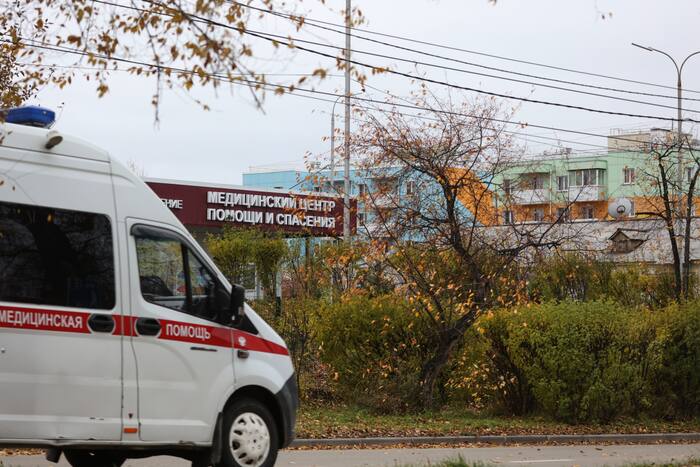
When the pharmacy shelves at the Pakistan Institute of Medical Sciences run dry, the emergency is rarely a sudden plague or an unexpected catastrophe. Instead, the crisis usually arrives through the slow, predictable gears of bureaucratic paralysis. Medicine supplies at PIMS face constant pressure not because the market lacks pharmaceutical stock, but because the procurement mechanism itself is broken at its administrative core.
Patients arriving at the federal capital’s premier healthcare facility encounter a stark reality. Essential treatments, surgical consumables, and routine pharmaceuticals vanish behind locked doors while administrators point fingers at procurement bottlenecks. To understand why a major hospital serving hundreds of thousands of vulnerable citizens finds itself starved of basic supplies, we have to look past the standard press releases and examine the structural inertia governing public health spending.
The Mechanics of Administrative Delay
At the heart of the failure lies a toxic combination of rigid public procurement rules and sluggish internal sign-offs. When institutional leadership changes or authorized signatories rotate out, financial transactions grind to a halt. Administrative red tape routinely stalls the processing of crucial financial approvals for weeks, leaving tenders stranded in verification purgatory.
Consider a hypothetical example to illustrate the friction point. A bulk purchase order for essential antibiotics requires multiple bureaucratic layers of clearance, compliance audits, and signatory verifications. If a single designated official transfers out of the department, the file does not simply move to the next desk; the entire approval chain halts while the replacement undergoes clearance protocols. In a commercial setting, this delay represents an operational inefficiency. In a tertiary care hospital dealing with acute trauma and chronic illnesses, weeks of administrative latency translate directly to empty dispensary shelves.
The Vendor Exodus
The friction extends far beyond internal bureaucracy. Pharmaceutical suppliers and medical vendors operate on tight margins and predictable cash flows. When institutional payment cycles stretch from standard terms into indefinite waiting periods, reputable suppliers simply stop bidding on public tenders.
Public procurement portals are designed to ensure transparency through competitive bidding, yet the execution often deters quality vendors. Protracted evaluation periods, heavy financial guarantees, and delayed payment disbursements mean that working capital gets trapped for months. Smaller distributors cannot absorb these prolonged delays, leaving the institutional supply chain vulnerable to speculative middlemen or forcing hospitals to rely on emergency, high-cost spot purchases that drain public funds.
Beyond the Short-Term Fix
Official statements from hospital management often insist that stocks remain partially available and that remedial efforts are underway. These assurances miss the broader structural vulnerability. Relying on crisis management—scrambling to secure emergency shipments only after reserves hit absolute zero—creates a permanent state of emergency.
Fixing the supply chain at institutions like PIMS requires a radical overhaul of accountability. Financial autonomy must be granted to hospital directors to clear routine medical purchases without routing every minor batch through redundant federal ministries. Signatory transitions need digital continuity protocols so that administrative turnover does not paralyze procurement channels. Until procurement is treated as an urgent clinical priority rather than a clerical afterthought, the health of patients will remain hostage to administrative dysfunction.
PIMS Hospital Crisis: Real Cause Behind System Failures Revealed
This video provides an investigative look into the structural failures and administrative bottlenecks driving the crisis at the Pakistan Institute of Medical Sciences.