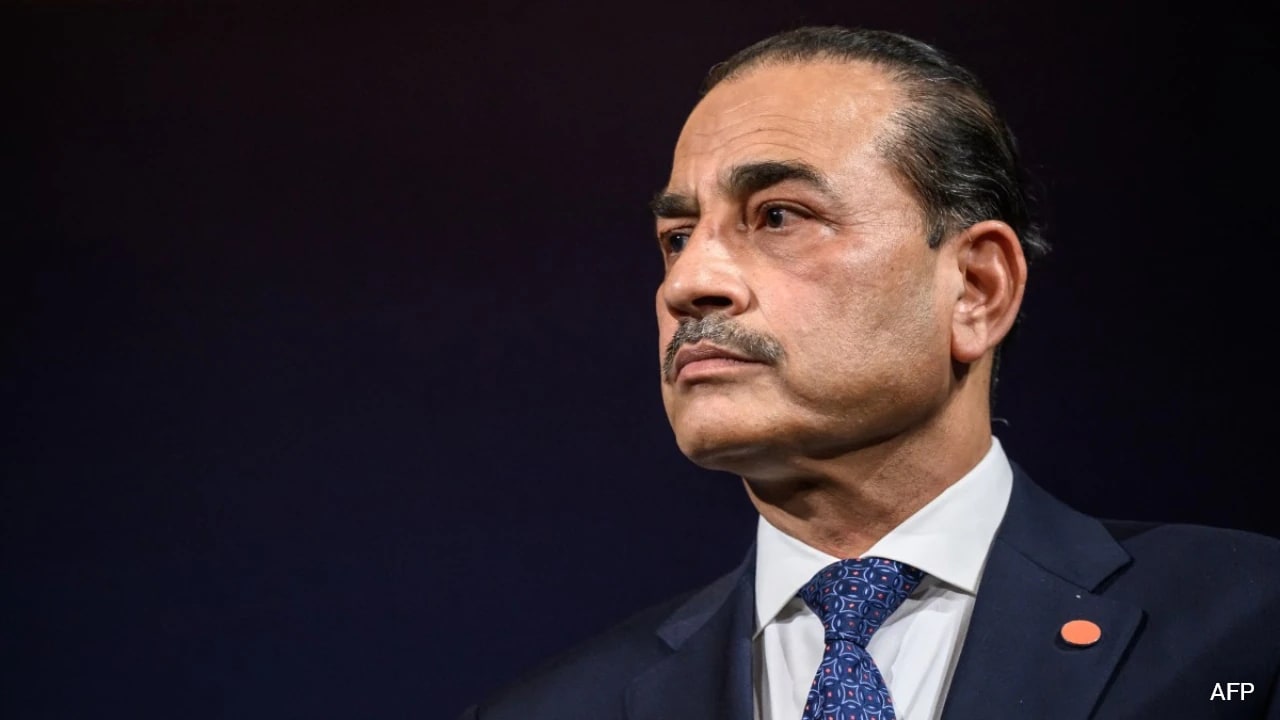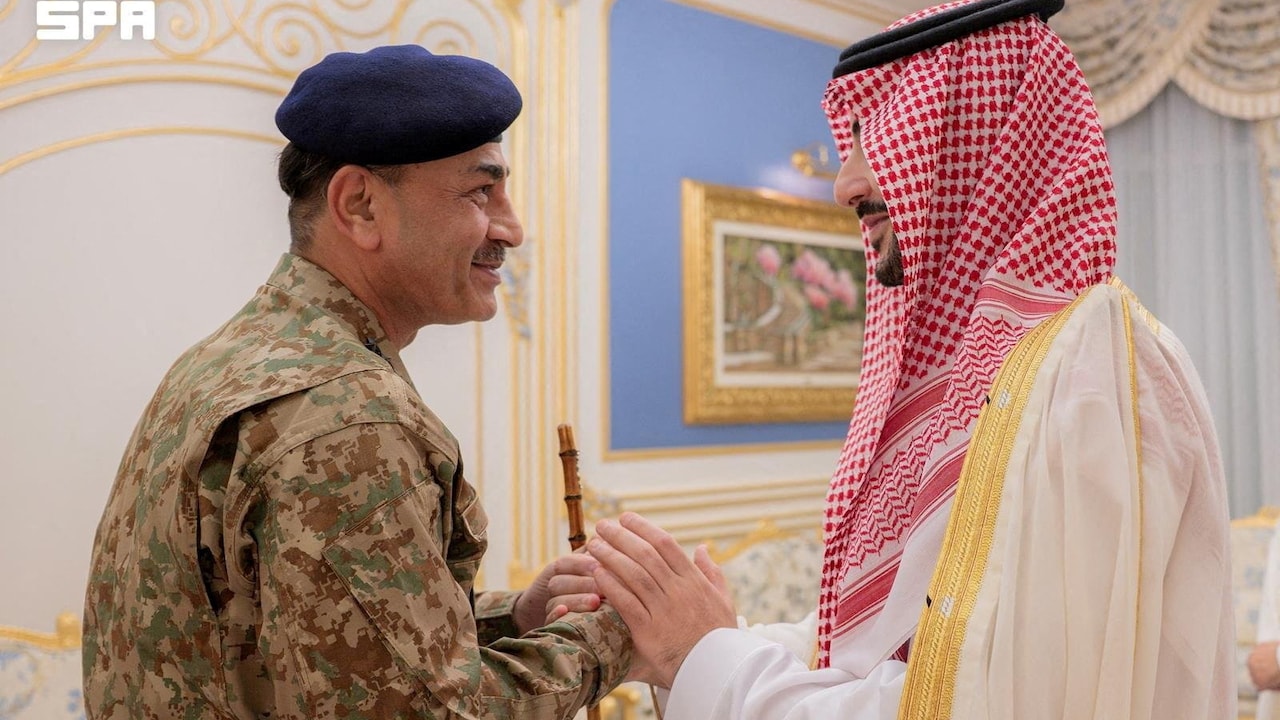
Foreign policy is rarely made in parliamentary chambers when real security guarantees are on the line. Under the command of Field Marshal Asim Munir, Pakistan's military apparatus has firmly seized the steering wheel of regional diplomacy, committing troops and strategic backing to the Gulf without a single meaningful debate or vote in the national legislature.
For months, regional analysts have watched Islamabad broker high-stakes security arrangements with Gulf monarchies, notably Saudi Arabia. Yet civilian leaders remain window dressing. The country's parliament is bypassed entirely, reduced to a rubber-stamp gallery while military headquarters in Rawalpindi dictates operational commitments abroad. This bypass is not an accidental slip of democratic protocol. It is the core operational feature of modern Pakistani statecraft under Munir, where external security agreements are forged through direct general-to-monarch channels.
The Anatomy of Executive Omission
When a state enters into foreign defense pacts or deploys military personnel to volatile zones, standard democratic theory demands legislative oversight, fiscal tracking, and open debate. In Pakistan, that theory has been systematically dismantled.
The rationale behind keeping civilian politicians out of the loop is rooted in institutional self-preservation and expediency. Rawalpindi operates under the assumption that civilian administrations are fragile, fragmented, and prone to political bickering that can paralyze time-sensitive foreign policy maneuvers. By cutting out the parliament, the military high command ensures absolute control over the narrative, the terms of engagement, and the financial rewards that often accompany transnational defense deployments.
Consider how these commitments manifest. When Riyadh or other Gulf capitals require security assistance or mediation, they do not call the Prime Minister's office. They call the military leadership. This direct channel creates an environment where international partners reinforce Pakistan's internal civil-military imbalance. Foreign governments prefer dealing with a single, predictable interlocutor rather than navigating a chaotic, unstable parliament where every alliance is subject to populist grandstanding.
The Danger of Unchecked Commitments
A system with weak counterweights is exceptional at entering commitments, but remarkably poor at correcting them once costs emerge. When troops are dispatched abroad without parliamentary sanction, there is no pre-existing framework for accountability if objectives shift or casualties mount.
The domestic political opposition, led largely by figures associated with the ousted Pakistan Tehreek-e-Insaf (PTI), remains suppressed or cornered, leaving no institutional mechanism to question the wisdom of foreign entanglements. Public sentiment is managed through controlled information flows, and political parties that attempt to raise uncomfortable questions about foreign deployments find themselves locked out of mainstream media access.
This unilateral approach creates a dangerous asymmetry. The military reaps the immediate diplomatic validation and transactional benefits of alignment with wealthy Gulf partners, while the broader state absorbs the long-term strategic risks. If regional tensions escalate—particularly concerning Houthi threats or broader Middle Eastern proxy conflicts—Pakistan risks being dragged deeper into regional friction lines without a national consensus backing the move.
The Illusion of Stability
International financial institutions and foreign capitals often praise the current arrangement for providing a veneer of predictability. In the short term, centralized command allows for swift decision-making, rapid troop movements, and alignment with Washington or Riyadh without bureaucratic delays.
Yet this stability is brittle. By reducing parliament to an irrelevance, the regime exacerbates a deep structural crisis of legitimacy at home. Economic pressures continue to bite ordinary citizens, and the disconnect between an internationally active military elite and a disenfranchised domestic populace grows wider by the day.
Foreign partners rewarding this dynamic are playing a short game. They secure immediate security cooperation while ignoring the erosion of institutional checks within Pakistan. When a foreign policy is tied entirely to the survival and choices of a single military commander rather than the codified will of a legislative body, the entire structure remains vulnerable to sudden domestic shocks.
The reality on the ground is stark. Pakistan's military has established its role as an indispensable regional security player, but it has done so by hollowing out the very concept of civilian representation. Until domestic political structures reclaim a voice in matters of war, peace, and troop deployment, Islamabad's foreign policy will remain a projection of raw military power, unanchored by democratic consent.
This video provides additional context regarding Field Marshal Asim Munir's strategic decisions and the rising questions surrounding Pakistan's troop movements toward Saudi Arabia.