A catastrophic corporate crisis is unfolding in South Korea, where the local arm of Starbucks has managed to alienate its largest consumer base outside the United States and China through an astonishingly tone-deaf marketing blunder. The controversy began when the coffee giant launched a promotional campaign for its "Tank" tumbler line on May 18. This choice of date sparked instant public outrage because it directly coincides with the anniversary of the 1980 Gwangju Uprising, a highly sensitive national tragedy where the military dictatorship deployed actual tanks and paratroopers to brutally crush pro-democracy student protesters.
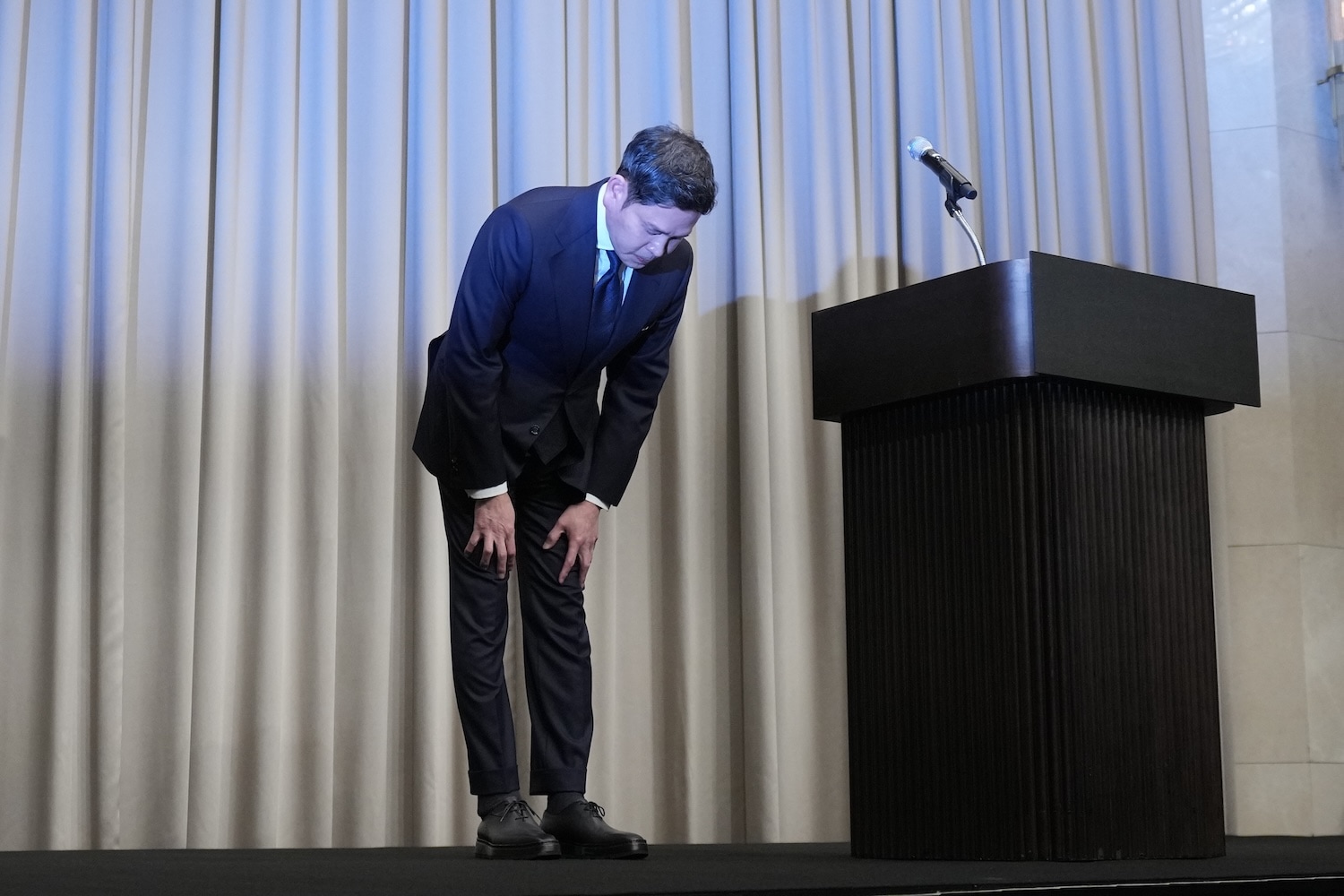
The backlash was immediate and severe. Within hours, Shinsegae Group, the South Korean retail giant that holds a majority 67.5% stake in Starbucks Korea, canceled the campaign, fired the local chief executive officer, and watched its stores empty out. On Tuesday, Shinsegae Group Chairman Chung Yong-jin issued his second public apology in two weeks, bowing three times before television cameras in Seoul to beg forgiveness from the families of the victims. Yet the standard corporate playbook of swift terminations and orchestrated public humility is completely failing to contain the damage.
This is not a simple story of an advertising department failing to check a calendar. The deep, systemic crisis gripping Starbucks Korea exposes a toxic collision of reckless corporate ignorance, a highly politicized domestic market, and an internal workforce mutiny that has now triggered a formal police investigation.
The Anatomy of a Dual Historical Insult
To understand why a retail promotion caused an international incident, one must look at the specific language used in the campaign. The digital ads paired the calendar date "5/18" with the phrase "Tank Day" to sell large-sized beverage tumblers. For South Koreans, May 18 is a sacred day of mourning, remembering the hundreds of civilians killed and injured by General Chun Doo-hwan’s military junta in Gwangju.
If referencing military tanks on the anniversary of a massacre was not destructive enough, the marketing team doubled down with an secondary slogan. The promotion urged customers to "Thwack it on the table!" To an outsider, the phrase sounds like aggressive, modern copywriting. To South Koreans, it is a direct echo of one of the darkest lies in the country's modern history. In 1987, student activist Park Jong-chol was tortured to death during a police interrogation. When authorities attempted to cover up the murder, officials infamously claimed that the young student died of a sudden heart attack because an investigator "hit the desk with a thwack." That phrase became a national symbol of state brutality, regime deception, and the systemic oppression that sparked the nationwide protests forcing South Korea’s transition to a democracy.
Combining these two specific historical trauma points in a single retail ad campaign is a statistical anomaly if viewed as a pure coincidence. Local civic organizations, such as the Gwangju-Jeonnam Memorial Coalition, immediately labeled the campaign a "malicious mockery," suspecting that political bias within the company's marketing department was intentionally smuggled into the public domain under the guise of selling consumer goods.
The Internal Mutiny and the Police Inquiry
As public outrage mounted, Shinsegae Group executives attempted to trace the root of the error. What they discovered inside their own corporate headquarters escalated a public relations problem into a potential legal conspiracy.
During an internal corporate review, senior management requested that the five employees directly responsible for organizing and supervising the "Tank Day" event hand over their personal smartphones. The employees refused.
This internal defiance completely halted the company's internal investigation. Denying corporate access to their devices meant that Shinsegae could not verify if the employees acted with deliberate, malicious intent to mock the democracy movement or if they were merely grossly incompetent.
"We have yet to find conclusive evidence that marketing employees intended to mock the pro-democracy movement, an accusation the employees have denied," stated Jeon Sang-jin, senior executive vice president and chief financial officer of Shinsegae Group. "However, some employees refused management requests to hand over their smartphones."
Because the corporation lacked the authority to compel the employees to cooperate, outside forces stepped in. Civic groups filed formal legal complaints, prompting South Korean police to launch an official criminal investigation into the matter. The five employees have been stripped of their positions, and Shinsegae has stated it will pursue aggressive legal action against them depending on the results of the police inquiry.
The Devastating Cost of the Retail Boycott
The financial fallout for Starbucks Korea has been immediate and severe, cutting deep into the company's bottom line during what should be a peak spring revenue season.
South Korea is an hyper-connected retail ecosystem where digital gift-giving dictates corporate success. On KakaoTalk, the country's dominant messaging application, Starbucks gift certificates and branded merchandise have traditionally occupied the top spots in the platform's online gift shop. Following the "Tank Day" disaster, Starbucks items plummeted completely out of the top 15 rankings as users flooded social media with screenshots of their canceled orders and refunded digital gift cards.
The political establishment has added massive momentum to the consumer boycott. President Lee Jae Myung publicly condemned the campaign on social media, labeling the company's actions as the "inhumane and disgraceful behavior of cheap profiteers who deny the values of the South Korean community." Following the president’s lead, the Ministry of the Interior and Safety banned the use of Starbucks products at all official government events, citing the chain's "anti-historical behavior."
The impact on foot traffic is visible across the capital. Cafes in downtown Seoul that are normally packed during peak morning and lunch hours have seen a substantial drop in customers.
The Broken Shield of Licensed Branding
This disaster exposes a profound structural vulnerability in how global corporations manage international expansion. Starbucks Korea does not operate as a direct subsidiary of Seattle-based Starbucks Coffee Company. It operates under a strict licensing agreement.
Shinsegae Group owns the controlling 67.5% stake, while Singapore’s sovereign wealth fund, GIC, holds the remaining share. This structure means that while the American parent company provides the brand guidelines, recipes, and global aesthetic, the day-to-day operations, local hiring, and domestic marketing strategies are entirely controlled by a domestic retail conglomerate.
When a licensed operator fails this spectacularly, the global brand has very few levers to pull to protect its image. Starbucks in the United States issued a statement calling the local campaign "unacceptable" and emphasizing that strict internal controls and historical awareness training would be mandated. But for the average South Korean consumer, the distinction between a licensed domestic operator and the parent company does not exist. The green siren logo itself is what represents the offense.
The Shadow of Corporate Political Alignment
Compounding the crisis is the controversial public profile of Shinsegae Group Chairman Chung Yong-jin himself. Chung is a prominent, deeply polarizing figure in South Korean public life, known for his active social media presence and his outspoken political views.
In recent years, Chung has drawn criticism from left-leaning political factions for posting conservative slogans online, including public statements about his hatred of communism. Furthermore, in 2023, Chung sent a congratulatory message to Build Up Korea, an organization modeled closely on right-wing American political youth movements, and Starbucks Korea subsequently provided free coffee at their events.
Because of the chairman's well-documented personal politics, a large segment of the South Korean public was primed to view the "Tank Day" blunder not as an innocent mistake, but as a reflection of management's underlying ideological bias. This explains why the firing of Starbucks Korea CEO Son Jung-hyun failed to end the controversy. The public does not see the fired CEO as the architect of the problem; they see the entire corporate culture of the parent conglomerate as historically insensitive.
A standard public relations apology relies on the assumption that the public will accept an error as an accident. In a deeply divided society still wrestling with the living memory of military authoritarianism, an insult to the architects of democracy is not treated as an accident. It is treated as an ideological assault. Shinsegae Group is now discovering that when corporate marketing touches the raw nerves of historical trauma, no amount of televised bowing can easily repair the damage.


