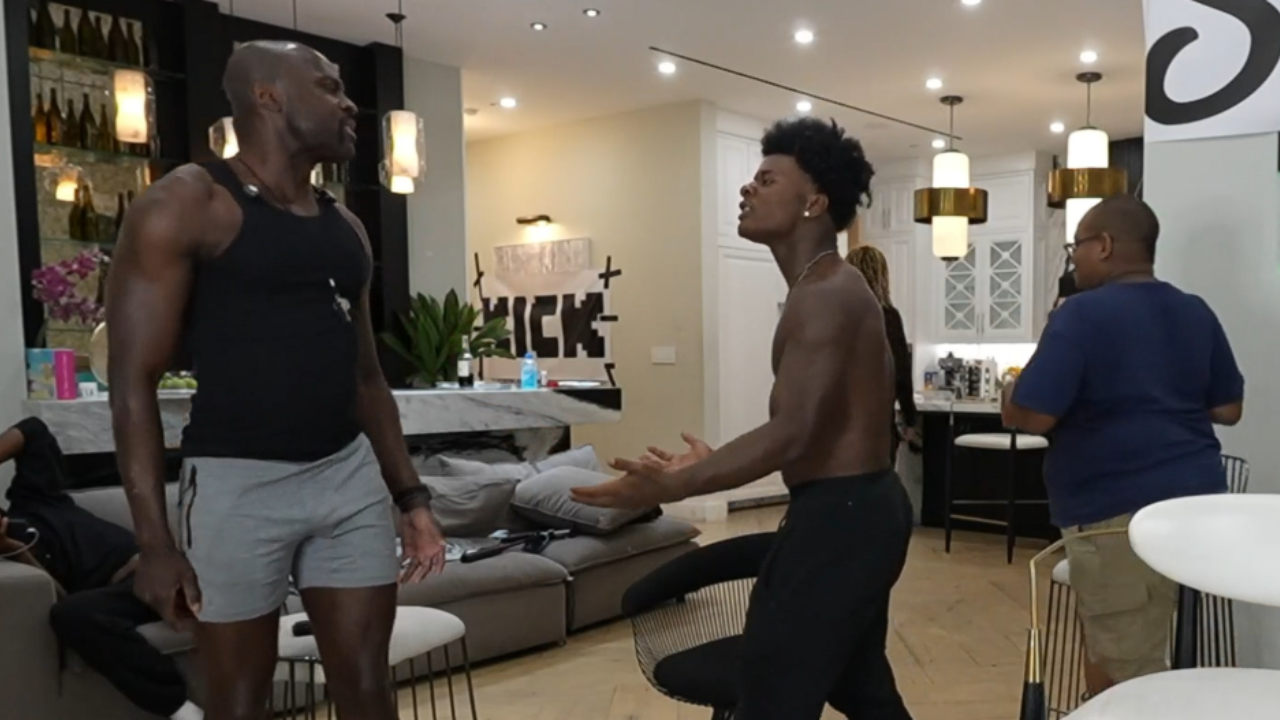
The internet stopped scrolling for a moment when Kick streamer TreyLiving struck Fishtank contestant Burt Bronx squarely on camera, converting an unscripted reality broadcast into a physical altercation. Within minutes, the clip metastasized across social channels, drawing millions of views and triggering fierce debates about safety, moderation, and accountability within modern live-streaming culture. This confrontation was not an isolated anomaly. It represented a predictable explosion point for an industry built on perpetual escalation, where creators trade basic social boundaries for peak engagement metrics.
To understand why TreyLiving struck Burt Bronx, one must examine the unique architecture of modern livestream reality formats. Unlike traditional television, which operates under strict labor laws, union oversight, and legal risk management, internet-native reality shows function as wild west operations. Creators and contestants are thrust into shared, unmonitored environments for days or weeks at a time, entirely cut off from conventional support structures. The primary currency here is volatility. When attention spans are measured in seconds, quiet moments are financial failures. Participants are implicitly and explicitly rewarded for pushing buttons, creating friction, and escalating drama until something snaps. Recently making waves in this space: Stop Trying to Resuscitate the Multicam Comedy Because It Never Actually Died.
The specific sequence of events leading up to the physical blow reveals a textbook study in psychological pressure cooking. Contestants on experimental streaming shows live under unrelenting surveillance. Every conversation, meal, and argument is broadcast live to thousands of concurrent viewers who interject via chat boxes and text-to-speech donations, effectively acting as an invisible, highly toxic chorus. These viewers do not merely watch; they actively meddle. They clip out context, amplify slights, and manufacture outrage in real time. By the time TreyLiving and Burt Bronx locked horns on camera, the ambient tension in the house had reached a saturation point where rational discourse was no longer an option.
Platform governance has proven utterly inadequate in managing these high-risk environments. Kick, the streaming platform that has absorbed a massive influx of controversial creators fleeing stricter moderation elsewhere, maintains policies against violence, yet enforcement remains reactive rather than preventive. When creators build entire audiences on the promise of unfiltered, chaotic behavior, temporary bans or wrist-slap suspensions fail to serve as effective deterrents. In fact, many creators treat disciplinary actions as marketing badges of honor, using controversy to drive subscriber spikes and secure higher viewer retention upon their return. The economic incentives run counter to community safety every single time. Further details on this are covered by Entertainment Weekly.
Let us look past the sensationalism of the slap itself and examine the audience reaction, which tells an even darker story. Comment sections split immediately into warring factions. One side demanded immediate legal action and permanent deplatforming, while the other celebrated the violence as peak entertainment, turning the aggressor into a temporary folk hero. This normalization of physical aggression within online spaces is corrosive. When young, impressionable audiences watch their favorite creators resolve interpersonal disputes with open-palm strikes and screaming matches, the boundaries separating digital performance from real-world behavior dissolve completely.
The physical altercation between TreyLiving and Burt Bronx also highlights a glaring blind spot in how modern talent agencies and brand sponsors vet their partnerships. Brands eager to capture younger demographics routinely throw money at high-traffic streams without vetting the cultural ecosystem behind the numbers. They chase peak concurrency metrics while ignoring the toxic undercurrents that generate those numbers. When a violent incident inevitably occurs, these sponsors issue boilerplate corporate condemnations, quietly distance themselves for a fortnight, and then return to business as usual once the digital outrage cycle shifts to a new target. This cyclical hypocrisy ensures that systemic issues are never truly addressed at the structural level.
Consider the psychological toll on the participants themselves. These reality streaming formats recruit individuals who are often ill-equipped to handle sudden, hyper-visible internet fame combined with intense social isolation. They are placed in high-pressure cookers where their mental vulnerabilities are mined for commercial gain. When a creator like TreyLiving loses physical composure on camera, it is symptomatic of an environment designed to push human beings past their breaking points. The digital economy treats these creators not as workers or artists, but as disposable content engines meant to run at maximum RPM until they burn out or implode.
Industry analysts have warned for years that unmoderated, 24/7 reality streams would eventually cross the line from verbal harassment to physical danger. Yet, production companies continue to cut corners on security, mental health support, and basic on-site supervision. Hiring a couple of off-duty bouncers or cutting a live feed the moment a situation begins to boil over would protect participants, but it would also kill the chaotic magic that drives the algorithms. The business model demands risk. As long as violence and disruption translate directly into higher ad revenues, subscriber conversions, and viral reach, the incentives remain entirely misaligned.
The aftermath of this incident will likely follow a familiar script. There will be public apologies, temporary platform restrictions, endless recap videos from commentary channels, and eventually, a quiet return to streaming as the algorithm discovers a fresh controversy to consume. Nothing systemic will change because the fundamental economics of outrage culture reward failure of character with financial profit. Until platforms implement ironclad accountability measures and audiences stop rewarding volatile degradation, the next broadcast brawl is not a question of if, but when.