The diplomatic map is being redrawn behind closed doors, and Tehran sits squarely at the center of the friction. When American, Chinese, and Russian delegations converge in Shenzhen for an unprecedented trilateral gathering on the sidelines of the APEC summit, the public script will feature familiar talking points about global nuclear non-proliferation. Do not let the diplomatic boilerplate fool you. The core driver behind this high-stakes meeting involves the unresolved architecture of the Iran war and how the world's primary powers intend to manage its debris.
For months, Washington has swung wildly between declaring the military campaign effectively finished and warning that military options remain on the table. Domestic political fallout from ongoing global economic turbulence has forced the White House to reevaluate its foreign footprints. Yet, pushing for a permanent diplomatic settlement in the Middle East requires dealing directly with Beijing and Moscow, both of which maintain critical economic and strategic lifelines to Tehran.
The traditional Western approach to isolating adversaries through unilateral pressure has collided with a stubborn multipolar reality. China imports a substantial portion of its energy needs from the Persian Gulf, making Beijing an indispensable arbiter of regional stability whether Washington likes it or not. Xi Jinping approaches these talks knowing that energy security dictates domestic economic output. If the White House wants an enduring end to hostilities that prevents a resurgence of Iranian nuclear ambitions, it must engage Beijing on terms that acknowledge China's stake in the region.
Moscow adds another layer of complexity to the triangle. While American officials insisted that the separate European security tracks would stay off the agenda to avoid immediate gridlock, the convergence of the three leaders creates an unavoidable pressure cooker. Vladimir Putin arrives in China seeking diplomatic leverage, hoping to pivot global attention toward broader security frameworks. By bundling the Iran file with nuclear arms control discussions, the summit attempts an ambitious grand bargain that has little historical precedent for success.
Senior administration officials have already lowered expectations, conceding that no binding agreements will emerge from this initial trilateral face-off. That admission is telling. Major geopolitical realignments rarely happen in a single afternoon session. Instead, this meeting functions as a diagnostic test. It measures how far Beijing is willing to step outside its traditional posture of non-intervention to help stabilize a fractured Middle East, and how much room Washington is willing to clear for great power diplomacy.
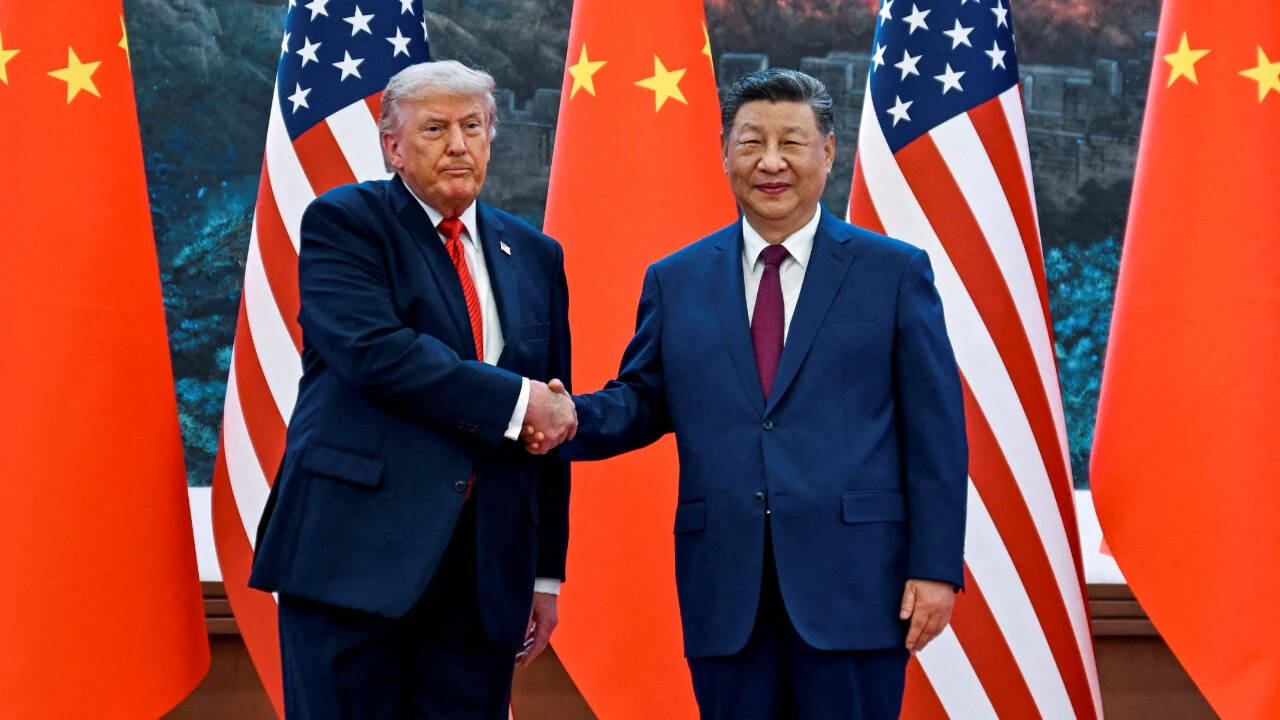
The illusion that American supremacy alone can dictate the terms of Persian Gulf security has evaporated. As Trump, Xi, and Putin sit down in Shenzhen, the outcome will not be a neatly signed treaty, but rather the hard, unvarnished baseline of a new international order where regional conflicts are managed by committee or left to burn out on their own terms