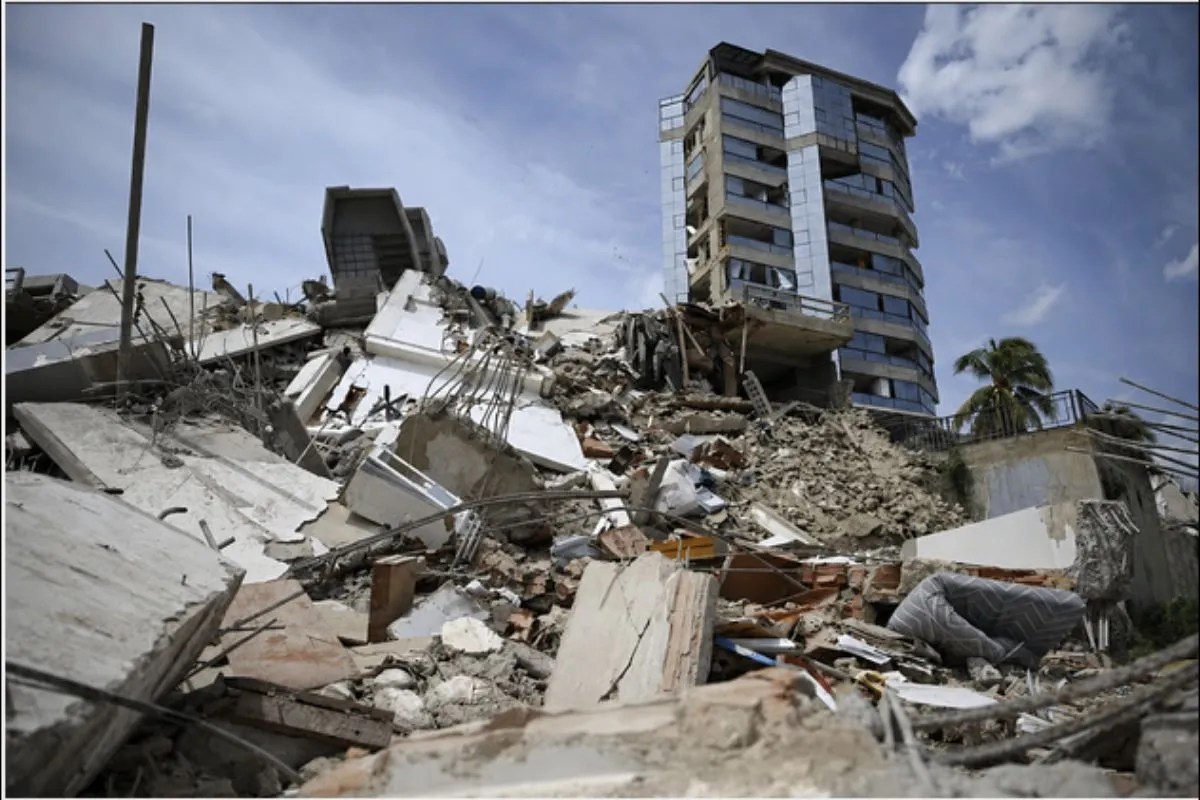
When the ground shakes in Venezuela, the ensuing panic is not merely a reaction to seismic waves. It is a rational response to a compounding structural disaster. Recent tremors have once again sent thousands of citizens fleeing into the streets of Caracas and regional hubs, terrified by the memory of previous double earthquakes and rising casualty counts. While the immediate threat stems from tectonic shifts along the Caribbean-South American plate boundary, the true danger lies in decades of severe infrastructure neglect, unenforced building codes, and crippled emergency response systems that turn minor tremors into lethal events.
Seismic activity is an unavoidable geographic reality for Venezuela. The country sits atop a complex fault network, primarily the Boconó, San Sebastián, and El Pilar faults. These fault lines are highly active, historically producing devastating pairings of shocks—often an initial rupture followed shortly by a powerful aftershock or a secondary triggered event.
But geology only tells half the story. The underlying reason why these earthquakes are increasingly perilous involves human decisions, economic collapse, and institutional decay.
The Anatomy of a Secondary Shock
When two significant seismic events occur in close succession, the engineering toll is exponential. The first earthquake compromises structural integrity. It cracks support pillars, weakens foundations, and stresses load-bearing walls. Buildings that survive the initial shock are frequently left standing on borrowed time.
Then comes the second hit. Even if the secondary tremor registers a lower magnitude, it strikes an already compromised built environment. This phenomenon explains why casualty rates often spike dramatically during subsequent shocks. Structures that appeared safe to re-enter crumble under the renewed stress, trapping residents who thought the danger had passed.
This vulnerability is exacerbated by the sheer volume of informal housing. In cities like Caracas, massive swathes of the population live in self-built, multi-story brick dwellings stacked precariously on steep hillsides. These settlements, known as barrios, lack any engineering oversight. They are constructed without reinforced steel or proper concrete mixing ratios. When a double earthquake strikes, these hillsides face a dual threat: the shaking itself and the high probability of catastrophic landslides.
Decades of Regulatory Paralysis
Venezuela possesses robust seismic construction standards on paper. The Venezuelan Industrial Standards Fund (COVENIN) established rigorous guidelines designed to ensure modern buildings could withstand significant lateral forces. The problem is enforcement. Over the past two decades, economic instability and rampant corruption have rendered these building codes functionally obsolete for new constructions.
The Collapse of Technical Oversight
Municipal engineering departments lack the resources, staff, and political backing to inspect construction sites effectively. Independent oversight has largely vanished. In the rush to build state-subsidized housing complexes under various government initiatives, speed and cost-cutting routinely took precedence over structural safety.
- Substandard Materials: The chronic shortage of high-grade construction materials led to the widespread use of inferior concrete and brittle rebar.
- Corrupted Supply Chains: Decades of currency controls and black-market manipulation meant that quality control documentation was frequently falsified.
- Brain Drain: The mass exodus of millions of Venezuelans included a significant percentage of the nation's top structural engineers, geologists, and architects, leaving a profound deficit in technical expertise.
The result is a highly fragile urban environment where even modern high-rises are suspect. The older, historic building stock in city centers is in even worse condition, suffering from decades of deferred maintenance due to hyperinflation and rent control laws that stripped property owners of the ability to fund repairs.
A Crippled Emergency Response Matrix
When a crisis hits, a country's survival depends entirely on the speed and capability of its first responders. In Venezuela, the emergency response system has been systematically dismantled by the broader economic crisis. Fire departments, civil defense units, and medical teams operate under conditions that would be deemed impossible in developed nations.
The Emergency Services Deficit
First responders frequently lack the most basic equipment required for urban search and rescue operations. Heavy lifting machinery, hydraulic cutters, and specialized listening devices used to locate survivors trapped beneath rubble are either broken or non-existent due to a lack of spare parts.
Even basic transportation is compromised. Ambulances and fire trucks sit idle in stations across the country for lack of tires, batteries, or fuel—an irony in a nation holding some of the world's largest oil reserves. When the ground stops moving, injured citizens often rely on civilian volunteers using motorcycles or private cars to reach medical facilities.
The Healthcare Collapse
The destination for these victims is a public hospital system that is itself in a state of advanced decay. Chronic shortages of basic medical supplies, including antibiotics, anesthetics, sterile bandages, and surgical instruments, mean that treating trauma injuries becomes a triage nightmare.
Power outages routinely hit major hospitals, and backup generators often fail due to poor maintenance or lack of diesel. A surge of casualties from a major earthquake scenario would instantly overwhelm the remaining functional emergency rooms, turning survivable injuries into fatalities.
The Fiction of State Preparedness
Official state media regularly broadcasts disaster preparedness drills and claims of high readiness. These public relations exercises deliberately obscure a dangerous reality. The Funvisis (Venezuelan Foundation for Seismological Research) continues to monitor and analyze seismic data with highly dedicated scientists, but their warnings and recommendations are routinely ignored by policy-makers who prioritize short-term political survival over long-term risk mitigation.
The state's strategy relies almost entirely on reactive damage control rather than proactive prevention. Public education campaigns regarding earthquake safety are sporadic and ineffective. Most citizens do not know how to evaluate their homes for structural damage post-quake, nor do they have access to designated safe zones or emergency stockpiles of food and clean water.
Breaking the Cycle of Vulnerability
Addressing this crisis requires moving far beyond the immediate shock of the latest tremor. It demands an acknowledgment that seismic risk is multiplied by systemic institutional failure.
To prevent the casualty numbers from climbing during the next inevitable double earthquake, the approach to urban safety must be completely overhauled. Independent engineering audits of all major public infrastructure and high-density housing projects are an immediate necessity. International aid organizations and regional bodies must be granted unfettered access to assist in modernizing emergency response equipment and training local civil defense units.
Enforcement of the COVENIN standards must be stripped of political influence and handed back to independent professional guilds. Until structural integrity is prioritized over political expediency, the citizens of Venezuela will continue to face a double threat whenever the earth moves: the unpredictable power of nature, and the entirely predictable failure of the state to protect them.